

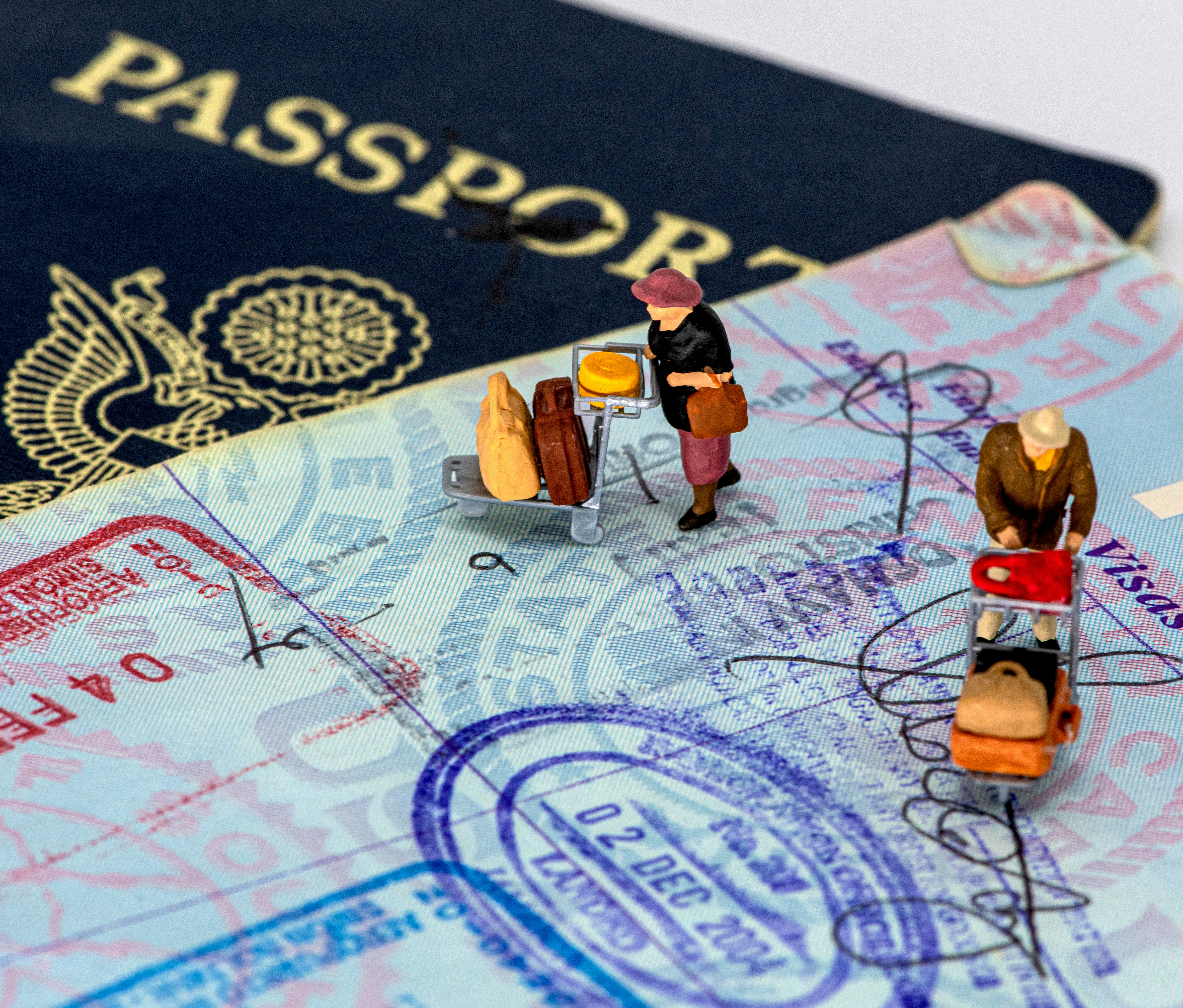
Introduction to Botswana Visa
Botswana, located in Southern Africa, is renowned for its majestic landscapes, diverse wildlife, and vibrant cultures. This landlocked country boasts vast stretches of savannah, the famous Okavango Delta, and the Kalahari Desert, offering an array of natural attractions that draw visitors from around the globe. Travelers flock to Botswana not only for its breathtaking scenery but also for its rich heritage, encompassing various ethnic groups and traditions that add depth to the experience of visiting this nation.
One of the defining features of Botswana is its commitment to wildlife conservation. Approximately 38% of the country’s land area is devoted to national parks and game reserves, making it a prime destination for eco-tourism. Visitors can witness a magnificent array of fauna, including elephants, lions, and a myriad of bird species. Such opportunities to observe wildlife in their natural habitats foster an appreciation for Botswana’s ecological importance and its role in global biodiversity.
However, understanding the visa requirements for entering Botswana is crucial for any traveler planning to embark on this remarkable journey. Visa policies can vary significantly, depending on the traveler’s nationality and the purpose of the visit. Familiarity with these regulations ensures that travelers can navigate the application process smoothly, mitigating the chances of any unfavorable surprises upon arrival. Preparing the necessary documentation and adhering to visa guidelines will contribute significantly to an enjoyable visit.
In essence, Botswana presents a unique blend of natural beauty and cultural richness, making it an attractive travel destination. To fully enjoy the offerings of this incredible country, potential visitors must be well-informed about the specific visa requirements, which facilitate a seamless entry into this captivating land.
Types of Visas for Botswana
Botswana offers a variety of visa types, catering to different purposes of travel. Each visa category comes with its own eligibility requirements and regulations, aimed at facilitating smooth entry for individuals based on their respective needs.
Firstly, the tourist visa is primarily intended for individuals visiting Botswana for leisure purposes. Generally, this visa allows for stays up to 90 days. Applicants are typically required to provide proof of accommodation, return flights, and sufficient funds to cover their stay. Tourist visas can often be obtained through Botswanan embassies, consulates, or at the point of entry, depending on the traveler’s nationality.
Secondly, the business visa is designed for those traveling to Botswana for business activities. This includes attending meetings, conferences, or forming business partnerships. Applicants must present an invitation letter from a recognized entity in Botswana, along with relevant documentation highlighting the purpose of their visit. The business visa usually permits stays from 30 to 90 days, depending on the specifics of the application.
Thirdly, individuals looking to study in Botswana must apply for a study visa. This requires acceptance from an accredited educational institution within Botswana. Applicants should submit necessary documents such as proof of funding, accommodation arrangements, and a police clearance certificate. The duration of the study visa is typically aligned with the length of the academic program.
Finally, a transit visa is necessary for travelers who are stopping in Botswana en route to another destination. This visa facilitates a temporary stay while awaiting connecting flights or travel. It is crucial for transit travelers to possess valid travel documents and onward flight confirmations.
Visa Exemptions and How to Determine Eligibility
Botswana offers visa exemptions to citizens of several countries around the world, allowing them to enter the nation without the need for a visa. Understanding these exemptions and the specific requirements is essential for travelers planning a visit to the country. Currently, nationals from the Southern African Development Community (SADC) member states are generally exempt from visa requirements for visits of up to 90 days. These countries include, but are not limited to, South Africa, Namibia, Zimbabwe, and Zambia.
In addition to SADC countries, certain other countries enjoy similar privileges. Specifically, visitors from nations such as the United States, Canada, the United Kingdom, and most European Union countries are granted visa-free access for short tourism or business visits, typically lasting up to 90 days.
However, it is important to note that even if a traveler is from a visa-exempt country, there are still specific criteria that must be met for entry into Botswana. Travelers should present a valid passport that remains valid for at least six months following their entry into Botswana. In addition, proof of sufficient financial resources for the duration of the stay may be requested on entry. Travelers must also have a return or onward ticket and may be asked to provide information regarding their accommodation in Botswana.
Individuals planning to visit Botswana should consult the latest information from the Botswana government or the nearest Botswana embassy or consulate prior to travel, as policies and requirements may change. Ensuring compliance with these regulations will facilitate a smooth entry into Botswana for eligible travelers.
Visa Application Process Explained
The visa application process for Botswana is a structured procedure designed to ensure that applicants meet the necessary requirements for entry into the country. To facilitate a smooth application experience, it is advisable to follow the step-by-step guide detailed below.
Firstly, applicants must determine the type of visa required based on the purpose of their visit, whether for tourism, business, or study. The application can be initiated through the official website of the Botswana government or at a Botswana embassy or consulate in the applicant’s country. For those who prefer a more direct approach, applications can be submitted in-person at embassies.
Once the appropriate visa type is identified, applicants should prepare the requisite documents. Commonly required documentation includes a valid passport with at least six months of validity from the date of entry, recent passport-sized photographs, proof of accommodation in Botswana, an itinerary of the stay, and financial statements demonstrating the ability to support oneself during the visit. Depending on the visa category, additional documents such as employment letters or invitation letters from a host in Botswana may be necessary.
After gathering all required documents, applicants can fill out the visa application form, which can often be found online or obtained from the embassy. It is crucial to ensure that all information is accurate and complete to avoid delays or rejections. Following the submission, a processing fee is commonly required, which varies by visa type.
As a final tip, it is recommended to apply well in advance of the intended travel dates, as processing times can vary. Keeping track of the application status is essential, and some embassies or online systems may provide updates on this. By understanding and following these steps, applicants can significantly enhance their chances of a successful Botswana visa application.
Required Documents for a Botswana Visa
When applying for a Botswana visa, it is crucial to prepare a comprehensive set of documents to support your application. The primary document required is a valid passport, which must be valid for at least six months beyond your intended departure date from Botswana. Additionally, your passport should have at least two blank pages for stamps.
An essential element of the application includes recent passport-sized photographs that meet the Botswana government’s specifications. These photographs should be of high quality, showing your face clearly and taken against a plain background. Adherence to these specifications is necessary, as non-compliance may lead to processing delays.
Your travel itinerary is another important document. This should outline your travel plans, including flights to and from Botswana, and any internal travel arrangements you might have. A detailed itinerary helps visa officers confirm your travel intentions and duration of stay.
Financial proof is also a vital requirement for a Botswana visa. Applicants are expected to provide evidence of sufficient funds to support their stay in the country. This may include bank statements from the last three months, showing steady income or savings. The aim is to demonstrate that you can sustain yourself while in Botswana.
Additionally, accommodation bookings or proof of where you will be staying during your visit are required. This could be hotel reservations or an invitation letter from a host in Botswana, specifying your accommodation arrangements.
Some visa categories might necessitate further supporting documents. For example, business travelers may need letters from employers or business partners in Botswana, whereas students would need acceptance letters from educational institutions. It is essential to check the specific requirements based on the visa category you are applying for to ensure a smooth application process.
Visa Fees and Processing Times
The fees associated with obtaining a visa to Botswana can vary significantly depending on the type of visa and the processing method selected by the applicant. Generally, the standard visa fees are structured as follows: a tourist visa typically costs around $30, while a business visa may range from $50 to $100. For individuals seeking to work or study in Botswana, the fees can increase substantially, often between $100 to $200 depending on the specific requirements and duration of stay.
Additionally, the government of Botswana provides expedited visa processing for an extra fee. This expedited service can reduce processing times considerably, often completing applications within 24 to 48 hours, in contrast to the standard processing time of approximately two weeks. The expedited processing fees may range from $50 to $150, depending on the visa category and urgency level requested.
It is important for applicants to prepare for additional costs, which may include service fees if applying through a visa processing agency or additional fees for background checks and document attestation. Furthermore, when applying from outside Botswana, applicants should consider potential courier or mailing costs to ensure that their documents are delivered safely to the appropriate authorities.
In terms of processing times, applicants should be mindful that the duration can vary based on their country of origin and the completeness of their application. Submitting a well-documented and complete application typically aids in faster processing. Immediate processing is often not guaranteed, and therefore, planning ahead is advisable. Applicants should always refer to the official Botswana embassy or consulate website for the most accurate and updated information regarding visa fees and processing timelines.
Common Challenges in the Visa Application Process
Travelers seeking to obtain a Botswana visa may encounter several challenges throughout the application process, which can lead to unnecessary delays or complications. One of the most common issues is the submission of incomplete documentation. Each visa application requires specific documents, such as a valid passport, recent photographs, and proof of accommodation. Failing to provide all necessary documents can result in the rejection of the visa application. To mitigate this issue, applicants should ensure they carefully review the visa requirements outlined by the Botswana embassy or consulate before submission.
In addition to incomplete documentation, applicants often make common mistakes in filling out the application form. Errors such as incorrect personal information or mismatches between the application and supporting documents can lead to processing delays. It is strongly recommended that applicants double-check all entries for accuracy, ensuring that names, dates, and other pertinent details are consistent across all forms submitted.
Another significant challenge faced by many applicants is the prolonged processing time for visa applications. Various factors can contribute to delays, including high application volumes, particularly during peak travel seasons, or additional security checks. To overcome this hurdle, travelers are advised to apply for their Botswana visa well in advance of their intended travel dates. Allocating sufficient time for processing can help alleviate the stress associated with last-minute applications.
In summary, while the visa application process for Botswana may present certain challenges, being aware of the potential pitfalls can greatly assist applicants in navigating this procedure smoothly. By ensuring comprehensive documentation, avoiding common errors, and applying early, travelers can significantly enhance their chances of securing a visa in a timely manner.
Important Tips for Travelers to Botswana
Traveling to Botswana can be an enriching experience, but it requires careful preparation, particularly regarding visa requirements and health precautions. First and foremost, travelers should stay informed about any updates or changes to visa regulations. Checking the official government websites or consulting with the nearest embassy can provide current information on Botswana visa requirements. As regulations may change frequently, especially due to global health issues, it is prudent to verify this information close to your travel date.
In addition to a visa, tourists might need other documentation such as proof of onward travel, accommodation reservations, and health insurance. Maintaining a copy of these documents can be beneficial in case they are required during your travels. Travelers should also familiarize themselves with Botswana’s customs rules. Items like certain foods and agricultural products may be restricted or require declaration upon entry, to prevent the introduction of pests and diseases.
Health precautions are another important aspect of planning a trip to Botswana. It is advisable to consult with a healthcare provider at least a month before traveling to discuss necessary vaccinations and health recommendations specific to the region. Common concerns include malaria, especially if visiting northern regions, and travelers may be advised to take prophylactic medication. Additionally, ensuring access to clean drinking water is crucial, and visitors should consider drinking bottled water.
Lastly, obtaining travel insurance that covers medical incidents can provide peace of mind during your visit. By staying informed and prepared with the right documentation and health measures, travelers can enjoy a safe and unforgettable experience in Botswana.
Conclusion and Additional Resources
In reviewing the Botswana visa requirements and application process, it is essential to understand the wide variety of visas available, tailored to different traveler needs. From tourist visas to business and work permits, recognizing the specific requirements for each type is crucial in ensuring successful travel plans. It is recommended to gather all necessary documents, including a valid passport, proof of accommodation, and a clear travel itinerary, well ahead of the intended travel dates to prevent any last-minute challenges.
Furthermore, the processing times and fees vary based on visa categories and nationality, necessitating careful planning to align with travel schedules. It is also advisable to consider the unique cultural and legal considerations while visiting Botswana, ensuring that visitors respect local customs and adhere to regulations. This will enhance the travel experience significantly while fostering positive interactions with locals.
For those seeking further information or assistance regarding Botswana immigration policies, it is beneficial to reach out directly to the nearest Botswana embassy or consulate. These official diplomatic missions can provide authoritative guidance, including up-to-date changes in visa regulations, application procedures, and other travel tips. Below are links to additional resources and contact information for Botswana embassies and consulates worldwide:
By utilizing these resources, travelers can better prepare for their journey and ensure a smooth visa application process. With thorough planning and understanding of the requirements, visitors can fully enjoy the rich experiences that Botswana has to offer.
Leave a Reply