

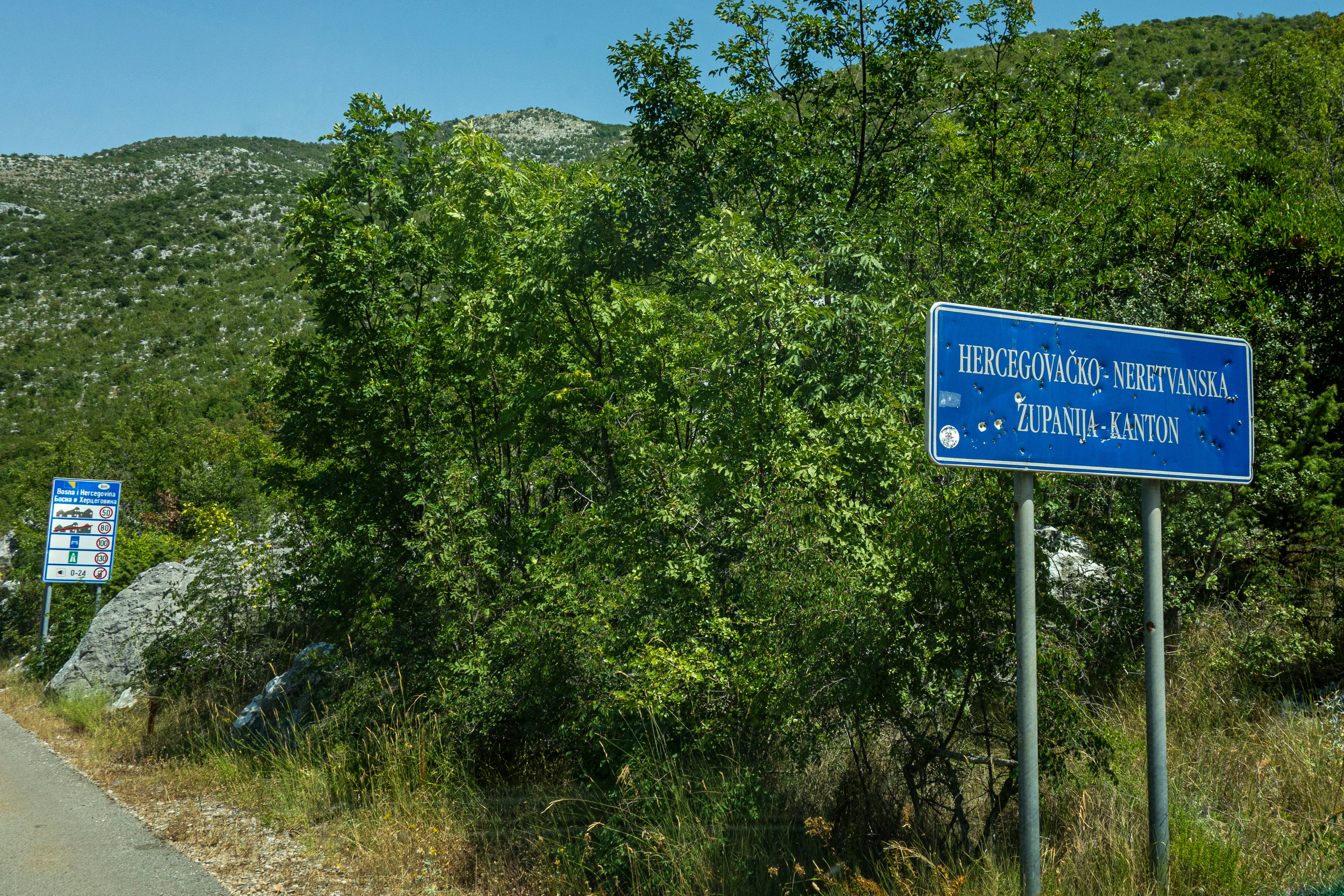
Introduction to Bosnia and Herzegovina Visas
Bosnia and Herzegovina, located in the Balkans, is a country rich in natural beauty, diverse culture, and historical significance. With its stunning landscapes, vibrant cities, and a complex history, it has become an increasingly attractive destination for travelers seeking unique experiences. From the iconic Stari Most bridge in Mostar to the bustling capital of Sarajevo, the country offers a blend of Eastern and Western influences that appeal to visitors from all around the world.
Traveling to Bosnia and Herzegovina, however, requires careful consideration of visa requirements. International travelers, depending on their country of origin, may need to apply for a visa before entering Bosnia and Herzegovina. This necessity is an essential aspect of travel planning and should not be overlooked. Understanding these requirements is crucial not only for ensuring a smooth entry into the country but also for avoiding potential delays and complications during the travel experience.
The visa policy of Bosnia and Herzegovina is influenced by regional agreements and international laws, and it stipulates which nationalities can enter the country visa-free and which require a visa. For travelers whose countries have not reached a visa-free travel agreement with Bosnia and Herzegovina, a visa application process must be followed. This process may include submitting various documents, attending interviews, and paying applicable fees, all of which vary based on the type of visa required for the planned duration of stay.
In summary, gaining an understanding of Bosnia and Herzegovina’s visa requirements is a necessary step in the journey of exploring this beautiful and culturally rich country. Knowing what to expect can enhance the travel experience and ensure that visitors are well-prepared for their adventures ahead.
Types of Visas for Bosnia and Herzegovina
Travelers wishing to visit Bosnia and Herzegovina will encounter several visa classifications tailored to accommodate varying purposes and durations of stay. Understanding these categories is essential for ensuring compliance with immigration regulations and facilitating a smooth travel experience.
First and foremost, short-term visas are the most commonly sought after by tourists and business travelers. The tourist visa, typically valid for up to 90 days, permits foreign nationals to explore the country’s rich cultural heritage and natural beauty. To obtain this visa, applicants need to provide proof of accommodation, travel itinerary, and sufficient financial means for their stay. Similarly, the business visa serves those looking to attend meetings, conferences, or contractual negotiations in Bosnia and Herzegovina. Applicants must submit documents such as an invitation from a local business, evidence of previous business engagements, and financial backing.
In contrast, long-term visas cater to those intending to stay in the country for extended periods. Prominent among these is the student visa, which enables foreign students to enroll in educational institutions within Bosnia and Herzegovina. To qualify, applicants must present proof of enrollment, proof of financial means to support their studies, and healthcare insurance, among other requirements. Long-term residency permits may also be available for individuals seeking to live in Bosnia and Herzegovina for reasons such as employment or family reunification, with respective application procedures.
Additionally, there are special visas aimed at specific circumstances, such as those for researchers or specific governmental programs. It is crucial for applicants to carefully review the particular requirements and limitations associated with each visa category to ensure they select the appropriate one for their travel purpose.
Visa Exemptions and Requirements
Bosnia and Herzegovina has established specific visa policies that delineate which nationalities are exempt from the requirement to secure a visa prior to their arrival. This exemption allows citizens from certain countries to visit the nation for short stays, typically up to 90 days, without the need for a visa application. The visa exemption criteria are primarily based on bilateral agreements and international relations.
As a result, numerous countries enjoy visa-free access to Bosnia and Herzegovina. These mostly include nations within the European Union, the Schengen Area, as well as a few additional countries globally. For example, citizens from the United States, Canada, Australia, New Zealand, and several Caribbean nations are allowed entry for tourism, business, or family visits without obtaining a visa. In contrast, visitors originating from countries like Syria, Afghanistan, and other nations with specific travel restrictions do require a visa to enter Bosnia and Herzegovina.
Furthermore, while many visitors benefit from visa exemptions, certain conditions may apply. For instance, travelers may be required to present evidence of sufficient funds for their stay, a return ticket, or proof of accommodation. It is advisable for all travelers to check the latest updates from the official consular services or the Embassy prior to their visit, as regulations and requirements may change periodically.
To clearly summarize the current visa exemptions, below is a list of countries whose citizens may enter Bosnia and Herzegovina without a visa:
- European Union member states
- United States
- Canada
- Australia
- New Zealand
- Switzerland
- Norway
- United Kingdom
Those planning to visit should ensure they are familiar with the regulations pertaining to their nationality to ensure a smooth travel experience without any unforeseen complications.
Application Process for Bosnia and Herzegovina Visa
The application process for obtaining a visa to Bosnia and Herzegovina is structured to ensure that all necessary documentation is in place to facilitate your travel. It is crucial to understand the steps involved, which can make the procedure more seamless. Applicants can initiate their visa process at various locations, such as embassies or consulates, or in some cases, apply online.
Initially, it is recommended to determine the specific type of visa you need based on your purpose of travel, whether for tourism, business, education, or family visit. Once the appropriate visa category is identified, the next step is to gather the required documents. Typically, applicants need to submit a valid passport, which should have at least six months of validity remaining from the date of entry into Bosnia and Herzegovina. Additionally, recent passport-sized photographs that meet the specified requirements are needed.
One of the essential documents is proof of accommodation during your stay. This can typically be in the form of hotel bookings or an invitation letter if staying with friends or relatives. It is also advisable to provide proof of sufficient financial means to cover the duration of your stay. Travel insurance covering health and accident emergencies is another requirement for visa application.
The processing time for a Bosnia and Herzegovina visa varies, but it generally takes around 7 to 10 working days. However, this timeline can fluctuate based on individual circumstances, such as the completeness of the application or variations in consulate operations. Therefore, applicants should plan accordingly and apply well in advance of their intended travel dates to avoid any disruptions.
Visa Fees and Payment Methods
When planning to visit Bosnia and Herzegovina, understanding the visa fees associated with various types of visas is essential. The cost of a visa can vary significantly depending on the type required—be it a tourist visa or a business visa. Generally, the fee for a short-term tourist visa ranges from 30 to 70 Euros, while business visas can cost anywhere between 40 to 100 Euros. It is advisable to check the specific amount applicable to your situation on the official consulate or embassy’s website.
In addition to the standard visa fees, applicants should be aware of potential additional charges. These may include service fees levied by the embassy or consulate and costs related to the processing of urgent applications. Therefore, it is recommended to budget slightly more than the base fee to account for these extra expenses.
Payment methods for visa fees are typically standardized, but variations may exist between different embassies. Commonly accepted payment methods include bank transfers, credit or debit card transactions, and occasionally, cash payments at the embassy or consulate. Ensure to verify the specific methods available at the embassy where you intend to apply, as this can facilitate a smoother payment experience.
To prevent any issues with fee payment, applicants are advised to double-check the total amount required before making a payment. Retaining proof of payment is also crucial, as this may be needed during the application process. Additionally, some embassies may have specific processing times; therefore, paying the fee well ahead of your intended travel date is wise. By organizing your payment method and understanding the associated costs, your visa application process can become significantly more manageable.
Important Documents Needed for Visa Application
When applying for a visa to Bosnia and Herzegovina, it is crucial to prepare a comprehensive set of documents that will support your application. The following is an overview of the key documents needed for a successful visa application.
Firstly, a valid passport is essential. It must have at least six months of validity remaining beyond your intended stay and should contain at least two blank pages for the visa and entry stamps. The passport serves as the primary identification document throughout the visa application process.
Next, a completed visa application form is required. This form collects personal information and travel details, which are necessary for processing the visa. Ensure that you fill out the form accurately and provide all the required information to avoid delays.
Another critical document is the proof of accommodation. This can include hotel reservations or an invitation letter from a host in Bosnia and Herzegovina, detailing your stay’s duration and other relevant information. It confirms that you have arranged accommodation during your visit.
Financial statements may also be required to demonstrate your ability to support yourself during your stay. This can include bank statements from the past three months, pay slips, or any other documents that outline your financial standing.
A travel itinerary is important as well. This document should outline your planned travel arrangements, including flight bookings and any planned activities within the country. It offers clarity on your intentions while visiting Bosnia and Herzegovina.
Lastly, obtaining travel insurance is highly recommended. A valid insurance certificate that covers health expenses and emergencies during your stay will strengthen your application and provide necessary assurance to immigration authorities.
Processing Time for Bosnia and Herzegovina Visa
The processing time for a Bosnia and Herzegovina visa can vary significantly depending on several factors, including the type of visa being applied for, the applicant’s nationality, and the time of year. Generally, visa applications can take anywhere from five to 20 working days to process. However, it is advisable to check with the specific embassy or consulate for the most accurate timelines, as individual circumstances may vary.
For instance, during peak travel seasons, such as summer holidays or major international events, processing times may extend due to the higher volume of applications. Consulates often receive an influx of visa applications during these periods, which can lead to delays. Therefore, it is prudent for travelers to apply well in advance of their intended travel dates. Many experts recommend submitting applications at least one to two months prior to departure to accommodate potential processing delays.
Another critical factor influencing visa processing time is the completeness of the application. Incomplete submissions with missing documents can lead to additional delays, as embassies may require further information or clarification before proceeding with the application. To mitigate this risk, applicants should meticulously review the visa requirements and ensure that all necessary documents are submitted alongside their application.
Additionally, it is useful for applicants to keep abreast of any changes in immigration policies that may impact processing times. Authorities may introduce new regulations or temporary measures that could expedite or slow down the application process. Thorough research and preparation can help in navigating the complexities of obtaining a visa for Bosnia and Herzegovina more efficiently.
Travel Insurance and Health Considerations
Travel insurance is highly recommended for all visitors to Bosnia and Herzegovina. While it may not be a strict requirement for obtaining a visa, having adequate travel insurance can provide peace of mind and essential protection against unforeseen events such as medical emergencies, trip cancellations, or lost belongings. When planning your trip, it is prudent to purchase a travel insurance policy that covers medical expenses, including hospitalization, and emergency evacuation, particularly given the varying health infrastructure throughout the country.
Health considerations are critical when traveling to Bosnia and Herzegovina. Visitors should ensure that they are up to date with routine vaccinations, including measles, mumps, and rubella (MMR) as well as diphtheria, tetanus, and pertussis. Although no special vaccinations are mandated for entry into the country, travelers coming from certain areas, particularly those affected by yellow fever, should provide proof of vaccination. Additionally, it is advisable to consult with a healthcare professional regarding vaccinations such as hepatitis A and B, and rabies, especially if plans include rural exploration or contact with animals.
Furthermore, travelers should be aware of potential health risks related to food and water safety. To minimize the risk of foodborne illnesses, it is recommended to consume food that is thoroughly cooked and water that is bottled or boiled. Personal medicine and first aid supplies should be packed in case of minor health issues. In urban areas, healthcare services are generally available, but in rural regions, access may be limited, thereby heightening the importance of having travel insurance that covers necessary treatments.
Conclusion and Additional Tips
In conclusion, understanding the visa requirements for Bosnia and Herzegovina is essential for ensuring a smooth travel experience. Different nationalities are subjected to varying entry criteria, including the need for a visa or the possibility of visa-free travel. It is crucial for prospective travelers to identify their specific requirements and prepare the necessary documentation in advance to avoid any last-minute issues.
Beyond visa requirements, potential visitors should also consider the best times to visit Bosnia and Herzegovina. The peak tourist season typically falls between May and September, when the weather is most pleasant, making it ideal for exploring cities like Sarajevo and Mostar. However, traveling during the shoulder seasons can offer a more affordable experience with fewer crowds.
Cultural insights are equally important for any traveler. Bosnia and Herzegovina boasts a rich tapestry of history influenced by various civilizations. Respecting local customs, such as dressing modestly when visiting religious sites and being sensitive to social norms, can greatly enhance interactions with the local population. In addition, trying the traditional cuisine, which includes dishes like ćevapi and burek, can provide a deeper appreciation for the cultural heritage of the region.
Furthermore, familiarize yourself with basic phrases in Bosnian, as locals appreciate efforts to communicate in their language. This can facilitate interactions and create a more welcoming environment for travelers.
Ultimately, embracing the unique cultural experiences, adhering to local customs, and being well-informed about visa regulations will enrich your journey to Bosnia and Herzegovina. Proper planning and consideration of the aforementioned tips will ensure a fulfilling and memorable trip to this captivating country.


Leave a Reply