

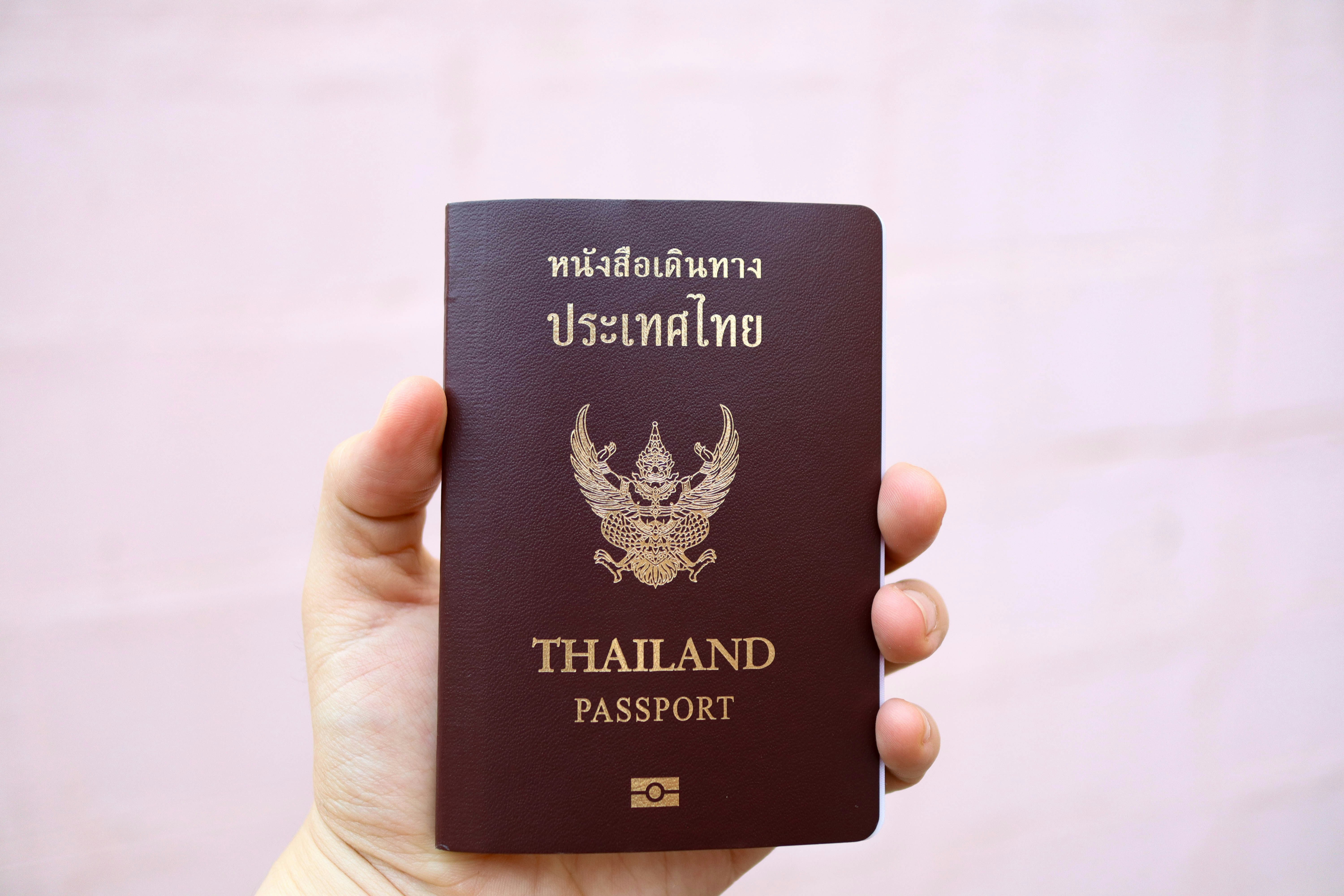
Introduction to Canada Visa
A Canada visa is an official document required for foreign nationals planning to visit, work, study, or immigrate to Canada. The significance of a Canada visa cannot be overstated, as it not only grants entry into Canada but also ensures that travelers comply with the country’s immigration laws. For many, obtaining a visa represents the first step in a journey to explore new opportunities or reunite with family in Canada.
In Canada, the visa landscape is diverse, comprising both temporary and permanent residents’ options. Temporary visas cater to travelers visiting for short stays, whether for tourism, business, or education. For instance, visitor visas allow foreign nationals to enter Canada for leisure, while student visas enable international students to pursue their studies in recognized Canadian institutions. On the other hand, work permits facilitate short-term employment opportunities, granting permission to engage in paid work for a designated period.
Permanently, Canada offers pathways for individuals who wish to settle and establish roots in the country. The most common types of permanent residency visas include the Express Entry system, Provincial Nominee Programs, and family sponsorship, each designed to cater to various applicants’ backgrounds and circumstances. These permanent residency options are vital for those seeking a long-term future in Canada, taking advantage of its multitude of benefits, such as access to healthcare and education.
Understanding the different types of Canada visas available is essential for individuals planning their entry into the country. Each visa type has specific application criteria, processing times, and restrictions, making it imperative for applicants to research adequately and choose the option that best suits their needs and aspirations.
Types of Canada Visas
Canada offers a variety of visas to accommodate the diverse needs of its immigrants and visitors. Understanding the types of Canada visas is crucial for anyone looking to enter the country for tourism, education, work, or to reside permanently. Below, we explore these categories in detail.
Tourist Visas: The Canada Tourist Visa, or visitor visa, allows individuals to enter Canada for leisure purposes. To be eligible, applicants must have a valid passport, sufficient funds to support their stay, and a clear intention to leave Canada at the end of their visit. The application process involves submitting documents proving identity, financial capability, and travel plans.
Student Visas: For those wishing to study in Canada, the student visa is essential. To qualify, students must be accepted by a Designated Learning Institution (DLI) and show proof of funds to cover tuition fees and living expenses. The application process requires submission of acceptance letters, proof of identity, and financial proof. International students may also be eligible for work opportunities during their studies, creating valuable career experiences.
Work Permits: Canada provides various work permits tailored to different job sectors. Temporary work permits may be employer-specific or open, allowing broader job search opportunities. Eligibility criteria include a job offer from a Canadian employer, proof of relevant work experience, and, in some cases, a positive Labour Market Impact Assessment (LMIA). The application procedure involves submitting job offers, identity verification, and other supporting documents.
Permanent Resident Visas: Permanent residency allows individuals to live in Canada indefinitely. There are different pathways to achieve this status, including the Express Entry system, Provincial Nominee Program (PNP), and Family Sponsorship. Each path has distinct eligibility requirements and application processes, often requiring documentation of work experience, language proficiency, and financial stability.
By understanding the types of Canada visas available, prospective visitors and residents can better navigate the immigration process, ensuring they meet the specific requirements needed for their desired category.
Eligibility Criteria for Canada Visa
Obtaining a Canada visa requires applicants to meet specific eligibility criteria which can vary depending on the type of visa being sought. Generally, applicants must consider factors such as age, health, financial stability, and background checks.
First and foremost, age plays a crucial role in the eligibility for various visa programs. While there is no strict age limit, applicants between the ages of 18 and 35 may receive additional points in point-based programs like Express Entry. However, older applicants can still qualify based on other criteria such as work experience, language proficiency, and education.
Health is another significant requirement. All applicants must undergo medical examinations to ensure they do not pose a public health risk. This includes ensuring that any pre-existing medical conditions are manageable and that the applicant will not place excessive demands on Canada’s health care system. Individuals with serious health issues may face challenges in securing a visa.
Financial stability is equally essential since applicants must demonstrate their ability to support themselves and any accompanying family members. This requirement aims to ensure that newcomers will not become a financial burden on Canadian society. Proof of funds, such as bank statements, is often necessary, especially for those applying under programs like Express Entry or Provincial Nominee Programs.
Lastly, criminal background checks are a pivotal part of the application process. Applicants must present police clearance certificates to confirm they have no significant criminal history. Criminal convictions can lead to visa denial and may also impact future applications.
In light of these factors, it is vital for potential applicants to thoroughly review the specific eligibility criteria associated with their desired visa type to improve their chances of successful approval.
How to Apply for a Canada Visa
Applying for a Canada visa involves several crucial steps, each essential to ensure the success of your application. The process begins with determining the appropriate type of visa you require—whether it be a visitor, study, work, or permanent residency visa. Once you identify the correct visa category, the next step is to gather all necessary documents.
Essential documents typically include proof of identity, such as a passport, photographs, and documentation that substantiates the purpose of your visit. For visitors, this might mean hotel bookings or an invitation letter, while students must provide acceptance letters from Canadian educational institutions. Moreover, work visa applicants should include job offers endorsed by a Canadian employer.
After collecting the required documents, you need to complete the Canada visa application forms accurately. These forms can be obtained from the official Government of Canada website. It is crucial to fill them out completely and truthfully, as omissions or inaccuracies can lead to delays or rejections. Most applications require you to create an online account on the Immigration, Refugees and Citizenship Canada (IRCC) website, where the forms are submitted electronically.
Once the forms are filled out, pay the application fees, which vary depending on the type of visa you are applying for. After payment, submit your application either online or at a designated visa application center. If necessary, you may also need to schedule an appointment for biometrics, which involves fingerprinting and photographing for security purposes. After submission, the processing time can vary based on several factors, including the visa type and your country of origin. It is advisable to check the status of your application regularly online.
Documents Required for Canada Visa Application
Applying for a Canada visa necessitates the submission of various documents essential for verifying one’s eligibility. The documentation required can vary depending on the specific type of visa being sought, such as a visitor visa, study permit, or work permit, but several core documents are typically required for all applicants.
Firstly, a valid passport is essential; it must be certified, with at least six months of validity remaining beyond the intended stay. This document not only serves as personal identification but also assists in ensuring that the applicant is recognized internationally.
Secondly, applicants must provide proof of financial support. This might include recent bank statements, pay slips, or letters of employment that demonstrate the applicant’s ability to cover all expenses during their stay in Canada. Such documentation is crucial to assure immigration authorities that individuals can support themselves without relying on social aid.
In addition to these primary documents, a travel itinerary detailing flight bookings, hotel accommodations, and internal travel plans must be included. This itinerary helps establish the purpose of travel and underscores the applicant’s intention to return to their home country following the visit.
Other documents may be specific to the type of visa. For instance, students may need to provide proof of enrollment from an educational institution in Canada, while work permit applicants may need a job offer letter from a Canadian employer. Likewise, those applying for permanent residency will require documentation that proves their work experience and credentials relating to their immigration category.
Lastly, it is advisable for applicants to double-check specific requirements on the official government website, as additional documents could be necessary based on individual circumstances or changes in immigration policies. Thorough preparation can significantly enhance the chances of a successful application.
Processing Times and Costs
Understanding the processing times and costs for various types of Canada visas is crucial for prospective applicants. The time it takes to process a visa application can vary significantly based on the type of visa, the applicant’s country of origin, and the specific circumstances surrounding each case. Generally, processing times can range from a few weeks to several months. For instance, applications for visitor visas may be processed within 20 to 30 days, while study or work permits may take anywhere from one to six months.
It is essential for applicants to regularly check their application status through the official Immigration, Refugees and Citizenship Canada (IRCC) website. The IRCC provides tools that allow applicants to track their application progress and obtain updates on any changes in processing times. Additionally, applicants may receive notifications via email throughout the process.
Costs associated with Canada visa applications also vary depending on the type of visa being applied for. As of October 2023, application fees for visitor visas are generally lower than those for work permits or permanent residency applications. Applicants should budget not only for the application fees but also for any additional costs that may arise during the process, such as biometrics fees, medical examinations, or document translations.
If delays occur, it is recommended that applicants remain patient, as processing times can fluctuate due to various factors, including additional documentation requests from the IRCC. In such cases, maintaining open communication with the IRCC and ensuring that all submitted documents are complete and accurate can help mitigate potential delays.
Common Reasons for Visa Denial
When applying for a Canada visa, understanding the common reasons for application denials is crucial for success. Many applicants face visa denial due to various administrative and eligibility issues. One of the primary reasons is the submission of incomplete applications. Applicants must ensure that they fill out all required sections of the visa application form. Missing crucial information can lead to rejection or significant delays in the processing of their application.
Another frequent pitfall is insufficient documentation. Each type of visa requires specific supporting documents to verify the bona fides of an applicant’s claims. This may include proof of financial means, employment letters, or documentation establishing ties to the home country. Failure to provide these must-have documents not only jeopardizes the visa application but can also hinder future attempts at acquiring a visa.
In addition, applicants must meet all eligibility criteria set by Canadian immigration authorities. This includes passing health and security checks, proving the intent to return home post-visit, and meeting specific income thresholds. Failure to prove qualification against these standards can result in denial, leaving potential visitors frustrated and seeking clarification on the reasoning behind it.
Lastly, inconsistencies or inaccuracies in the submitted information can raise red flags during the review process. Any discrepancies in personal details, travel history, or financial status can trigger a denial. Therefore, applicants are advised to double-check information and ensure its alignment with respective evidence before submission.
Awareness of these common reasons for Canada visa denial can play a significant role in ensuring a successful application. By taking precautionary measures, applicants can navigate the complex visa application process with greater confidence.
Post-Visa Approval: What’s Next?
Once your visa for Canada has been approved, the journey towards relocation begins in earnest. The first significant step is to review the entry requirements meticulously. Generally, this involves confirming that you have all the necessary documentation ready when you arrive in Canada. This may include your passport with the visa stamp, proof of funds, and copies of any additional documents that can support your immigration status.
Preparation for moving to Canada is another crucial phase. It is essential to make arrangements for housing, whether temporary accommodation upon arrival or a more permanent residence. Many newcomers find it helpful to reach out to local real estate agencies or online platforms to get an idea of the housing market. Additionally, it is recommended to look into various neighborhood options, considering key aspects like schools, public transport, and proximity to work.
Moreover, understanding the Canadian lifestyle is vital. Familiarizing yourself with cultural norms, healthcare systems, and legal obligations can substantially ease your transition. For instance, obtaining your health insurance and registering for the provincial healthcare plan should be top priorities. Canada often has a waiting period before new residents can access healthcare services, so planning accordingly is advantageous.
Networking is another integral part of settling in Canada. Engaging with community groups or expatriate organizations can provide valuable support and help establish connections with locals and fellow newcomers. Considering the importance of building a social support system, attending local events or workshops can prove beneficial in enhancing your integration experience.
In conclusion, the period following visa approval is marked by critical steps that set the stage for successful immigration to Canada. Meticulously preparing for these processes ensures a smoother transition into your new life in Canada.
Conclusion and Final Thoughts
Securing a Canada visa is a significant step for individuals looking to study, work, or reside in one of the world’s most welcoming countries. Throughout this guide, we have explored various aspects of the Canada visa application process, emphasizing the importance of thorough preparation and research. Understanding the different types of visas available, the eligibility requirements, and the necessary documentation is crucial in facilitating a smooth application process.
It is essential for prospective applicants to familiarize themselves with the specific entry requirements that correspond with the visa category they are pursuing. Each type of visa has its own set of rules and regulations that must be adhered to, and being diligent in gathering the required documents can dramatically improve the chances of a successful application.
Additionally, it bears mentioning that the immigration landscape is often subject to changes. As such, staying updated with the latest regulations and guidelines from official sources will greatly benefit applicants in their journey toward obtaining a Canada visa. Engaging with experts or utilizing immigration services may also provide helpful insights and strategies to navigate the complexities of the visa process.
In conclusion, the path to securing a Canada visa may appear daunting but armed with the right knowledge and preparation, aspirants can enhance their likelihood of success. We encourage you to conduct thorough research, leverage available resources, and remain informed on any changes that may impact your application. Your journey towards studying, working, or living in Canada can be rewarding and enriching, paving the way for numerous opportunities in the future.
Leave a Reply