

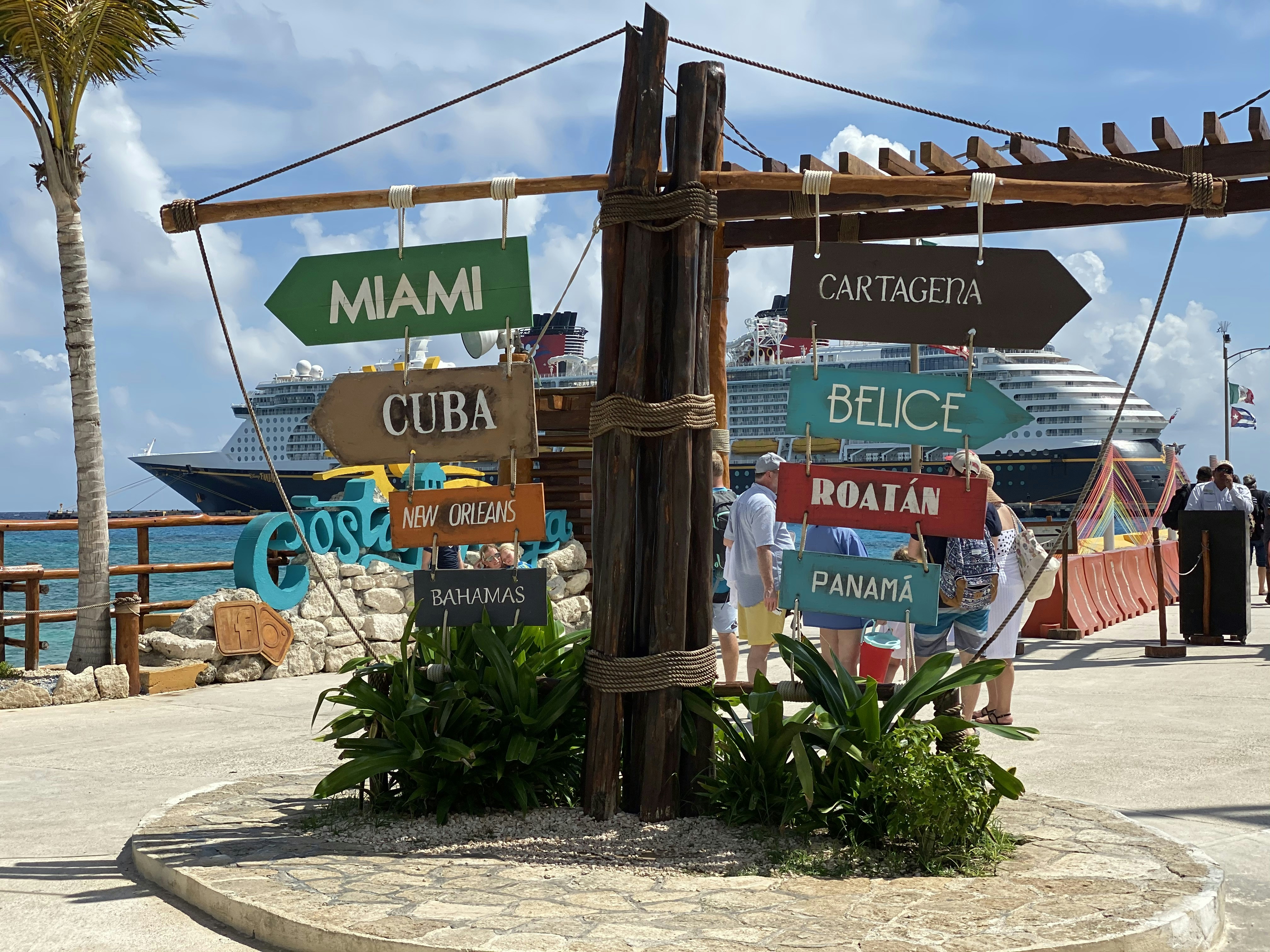
Introduction to the Cayman Islands Visa
The Cayman Islands, renowned for their stunning beaches, vibrant marine life, and diverse culture, continue to attract millions of visitors each year. With a favorable climate and a stable economy, it is no surprise that these islands serve as a popular travel destination as well as a sought-after relocation spot for expatriates. The allure of the Caribbean, combined with the islands’ tax advantages and high quality of life, has cemented the Cayman Islands’ reputation in the eyes of both tourists and potential long-term residents.
For those intending to visit or settle in the Cayman Islands, understanding the Cayman Islands visa process is essential. Visitors planning to stay for an extended period may require a visa depending on their nationality and the nature of their visit. The Cayman Islands government offers various visa categories to cater to tourists, business individuals, and expatriates. Each visa type has specific requirements and conditions, thus ensuring that travel or relocation complies with immigration laws.
The significance of the Cayman Islands visa cannot be overstated. It provides travelers and individuals seeking to establish residency with the necessary legal status to enjoy what the islands have to offer. From stunning landscapes and luxurious amenities to a welcoming community, obtaining the appropriate visa is the first step in accessing a lifestyle that many find appealing. With proper documentation and relevant knowledge about the visa prerequisites, potential visitors and expatriates can navigate this essential process smoothly and efficiently.
Types of Visas Available for the Cayman Islands
The Cayman Islands offer a variety of visa categories to cater to the diverse needs of visitors and potential residents. Understanding the different types of visas available is crucial for anyone planning to travel, work, or live in these beautiful islands.
One of the most common options is the tourist visa, which typically allows visitors to stay in the Cayman Islands for a limited period. Most nationals do not require a visa for short visits, as they receive a stamp upon entry that permits them to stay for up to six months. However, it is essential to check specific entry requirements based on individual nationality.
For those looking to work in the Cayman Islands, various work visas are available. These visas are usually employer-sponsored, meaning the prospective employer must apply on behalf of the employee. Work visas grant individuals the right to reside and work in the islands for the duration of their employment contract. Specific eligibility requirements include a job offer from a registered employer and fulfilling skillset criteria.
Residency permits are another critical category for individuals wishing to make the Cayman Islands their long-term home. There are different types of residency permits, including those for retirees, professionals, and investors. Each type has distinct eligibility criteria, but generally, applicants must demonstrate financial stability and comply with local laws.
Other relevant categories include student visas for those pursuing education in the islands and permanent residency for individuals wishing to settle in the Cayman Islands indefinitely. Each visa type serves unique purposes, ensuring that there is a suitable option for various circumstances and needs.
Eligibility Requirements for Cayman Islands Visas
Applying for a visa to the Cayman Islands necessitates fulfilling certain eligibility requirements, which may vary depending on the type of visa sought. It is essential for applicants to ensure that they meet these criteria before initiating their application process. One of the primary requirements is the validity of the applicant’s passport. Generally, your passport must be valid for at least six months beyond the intended date of entry into the Cayman Islands.
Financial stability is another critical component of the eligibility criteria. Applicants are required to demonstrate sufficient financial resources to support themselves during their stay. This typically includes providing bank statements or proof of income that confirm the capability to cover living expenses in the Cayman Islands.
Health insurance is also a vital requirement for obtaining a visa. Applicants are typically required to hold valid health insurance that covers a wide range of medical needs during their stay, ensuring they do not become a liability to the medical system of the islands. Specific insurance requirements may vary based on the type of visa being applied for.
Lastly, a criminal history check may be mandated for certain visa categories. Applicants may need to submit a police clearance certificate or similar documentation to prove that they do not have serious criminal convictions. This requirement helps to ensure that individuals entering the Cayman Islands do not pose a risk to public safety or security.
In summary, to obtain a visa for the Cayman Islands, applicants must meet specific eligibility criteria that encompass passport validity, financial capability, health insurance, and criminal background checks. Ensuring compliance with these requirements will facilitate a smoother visa application process and enhance the likelihood of approval.
Application Process for Cayman Islands Visas
The application process for obtaining a visa for the Cayman Islands is straightforward, but it requires careful attention to detail. To initiate the process, applicants must first determine which type of visa suits their needs—whether it be a tourist, work, or residency visa. Information regarding the specific type of visa can be found on the official Cayman Islands Government website, where detailed guidelines are provided.
Once you have identified the correct visa category, the next step is to acquire the necessary application forms. These forms can be downloaded directly from the website or collected from relevant Cayman Islands consulates and embassies worldwide. It is crucial to ensure that you are using the most current version of the application form to avoid any delays.
In addition to submitting the application form, candidates must gather essential documents. Standard requirements typically include a valid passport, proof of funds, proof of accommodation in the Cayman Islands, and additional documents specific to the visa type. For instance, employment-related visas may require letters from employers or business partners. Collecting these documents beforehand will help streamline your application process and prevent potential setbacks.
The submission of the application can be done either online or through traditional mail. Online submissions are often faster and more efficient, as applicants can receive instant confirmations. If you choose to opt for the offline method, ensure that all documents are sent via a secure method to avoid loss. To enhance your chances of a successful application, it is advisable to double-check all submissions for accuracy and completeness.
Lastly, applicants should be aware of common pitfalls, such as incomplete applications or missing documents, which can lead to unnecessary delays. Ensuring that all information is accurate and that the application is submitted on time will lead to a smoother experience. Following these guidelines will help simplify the visa application process for the Cayman Islands.
Processing Times and Fees for Visas
When considering a move to the Cayman Islands, understanding the processing times and fees associated with obtaining a visa is crucial. The processing times for various types of visas can differ significantly based on the category chosen. For instance, work permits typically require approximately two to three weeks for approval, while residency applications may take between four to six weeks. It is important to note that these time frames can fluctuate based on the volume of applications being processed at any given time.
There are also expedited processing options available for those who need to secure a visa more quickly. Applicants can often pay a premium fee to accelerate the review process, reducing the waiting period to as little as a few days, particularly for work permits. However, the specific availability of expedited services can vary and should be confirmed with the relevant authorities or immigration service providers.
Alongside processing times, prospective immigrants should also be mindful of the fees associated with visa applications. The costs can vary based on the visa type; for instance, the application fee for a work permit ranges from approximately $500 to $1,000, depending on the specific circumstances. Resident permits generally incur higher fees, which may range upwards from $1,500. It is advisable to consider these financial aspects when planning your move, as the cumulative costs can add up.
Lastly, additional fees may apply, such as those for medical examinations or background checks, which are often required as part of the application process. Having a clear understanding of processing times and fees will allow applicants to better prepare for a smooth visa application process to the Cayman Islands.
Renewal and Extension of Cayman Islands Visas
The process of renewing and extending Cayman Islands visas is essential for individuals wishing to maintain their legal status while residing on the islands. Typically, the duration of a visa varies depending on the type, with many being valid for one to three years. It is crucial for expats and residents to start the renewal or extension process well ahead of the visa’s expiration date to avoid any complications.
To initiate the renewal process, individuals must submit a new application form, which may differ based on the specific visa category. Along with the application, essential documentation must be provided. This often includes a valid passport, current visa details, proof of legal residence, and, in some cases, additional supportive documents such as employment letters or financial statements. It is advisable to check the specific requirements related to each visa category as they can vary significantly.
In addition to submitting the necessary paperwork, applicants must also pay any applicable fees. Fees may vary depending on the type of visa and its duration. On completion of the application, processing times can take anywhere from a few days to several weeks, so applicants should plan accordingly.
For individuals seeking to extend their stay beyond the initial visa term, it is recommended to keep track of key dates and submit an application prior to the expiration of the current visa. This helps ensure a smooth transition and allows for any unexpected delays in processing. Maintaining open communication with the Cayman Islands Immigration Department can also provide clarity and guidance throughout the renewal and extension processes, helping individuals navigate their visa statuses successfully.
Working in the Cayman Islands: Employment Visas
The Cayman Islands, known for its thriving financial services sector and tourism industry, attracts many foreign workers seeking employment opportunities. To legally work in this British Overseas Territory, individuals must obtain an appropriate employment visa. This visa ensures that both employees and employers adhere to the regulations set forth by the Cayman Islands immigration authorities.
There are several types of employment visas available, depending on the nature of the job and the length of stay. The most common type is the “Work Permit,” which is typically issued to skilled workers in positions that cannot be filled by local residents. Other categories include the “Temporary Work Permit” for short-term employment and the “Cayman Status” for individuals who have lived in the islands for many years and meet specific criteria.
To secure a work visa in the Cayman Islands, applicants must fulfill certain requirements. These include having a valid job offer from a registered employer in the islands, demonstrating the necessary skills and qualifications for the desired position, and often providing background checks or health records. Additionally, employers are required to show that they have made adequate efforts to recruit locally before hiring foreign workers.
Both employers and employees must understand their responsibilities under Cayman Islands immigration law. Employers are tasked with ensuring compliance with visa regulations, including the timely renewal of work permits and adherence to labor standards. Employees, on the other hand, must maintain their eligibility throughout the duration of their visa and notify relevant authorities of any changes in employment or personal circumstances.
In conclusion, obtaining an employment visa in the Cayman Islands requires careful navigation of regulations and compliance with obligations. By understanding the types of work permits available and adhering to the legal requirements, both employers and employees can enjoy a successful working experience in this vibrant territory.
Living in the Cayman Islands: Residency and Immigration
Gaining residency in the Cayman Islands is an appealing option for many due to the region’s tropical climate, strong economy, and relaxed lifestyle. There are various pathways to residency, particularly for those looking to make this paradise their permanent home. The government has established long-term residency programs that cater to individuals with different needs and qualifications.
One significant avenue is the Investor Visa Program. This initiative is designed for foreign investors who wish to contribute economically to the islands by investing a minimum amount in a local business or other permitted ventures. By fulfilling this requirement, individuals can not only obtain residency but also enjoy certain privileges, such as the ability to work and live on the islands without the complexities that come with temporary permits.
Alongside investor visas, the Cayman Islands also offer a variety of other residency options, including those for retirees and skilled professionals. The “Certificate of Permanent Residence for Persons of Independent Means” is aimed at those with sufficient financial resources to live without needing employment. This certificate has garnered attention among retirees seeking a tranquil life in the Caribbean. However, it is essential to demonstrate financial independence, usually through proof of assets or income.
While the benefits of living in the Cayman Islands are numerous, prospective residents must also consider challenges such as the cost of living, which can be quite high compared to other regions. Moreover, navigating the immigration process can sometimes be complex and may require the assistance of local legal experts or immigration consultants to ensure compliance with all regulations.
Ultimately, the decision to gain residency in the Cayman Islands involves evaluating personal circumstances, financial capabilities, and lifestyle preferences. A well-informed choice can lead to a fulfilling life in one of the Caribbean’s most sought-after destinations.
Conclusion and Additional Resources
Understanding the visa requirements for the Cayman Islands is essential for anyone considering travel or relocation to this beautiful Caribbean destination. Throughout this blog post, we have examined the various visa categories, application processes, and necessary documentation needed to facilitate your entry into the islands. By gaining insight into the visa application process, travelers can enhance their chances of a smooth transition whether for tourism, work, or residency.
It is important to remember that visa regulations may change, so staying updated through official resources is crucial. Whether you plan to enjoy a short vacation or seek to establish permanent residence, knowing the specific visa requirements that apply to your situation will help streamline your application. Make sure to assess the criteria and documents required for the specific visa type that aligns with your travel or living aspirations.
For further assistance, we offer a selection of valuable resources. The official Cayman Islands government website provides comprehensive information regarding visa types, required documents, and application procedures. Additionally, immigration consultancy services are available for personalized guidance. For ease of navigation, consider visiting sites such as www.gov.ky, as well as reputable travel forums and expatriate community platforms where you can connect with others who have successfully navigated the visa process.
By utilizing these resources and staying informed about the Cayman Islands visa requirements, you can confidently take the next steps towards your journey. Whether you aim to explore the vibrant culture, find employment, or establish residency, being well-prepared is key to a successful experience in the Cayman Islands.
Leave a Reply