

Introduction to the Faroe Islands
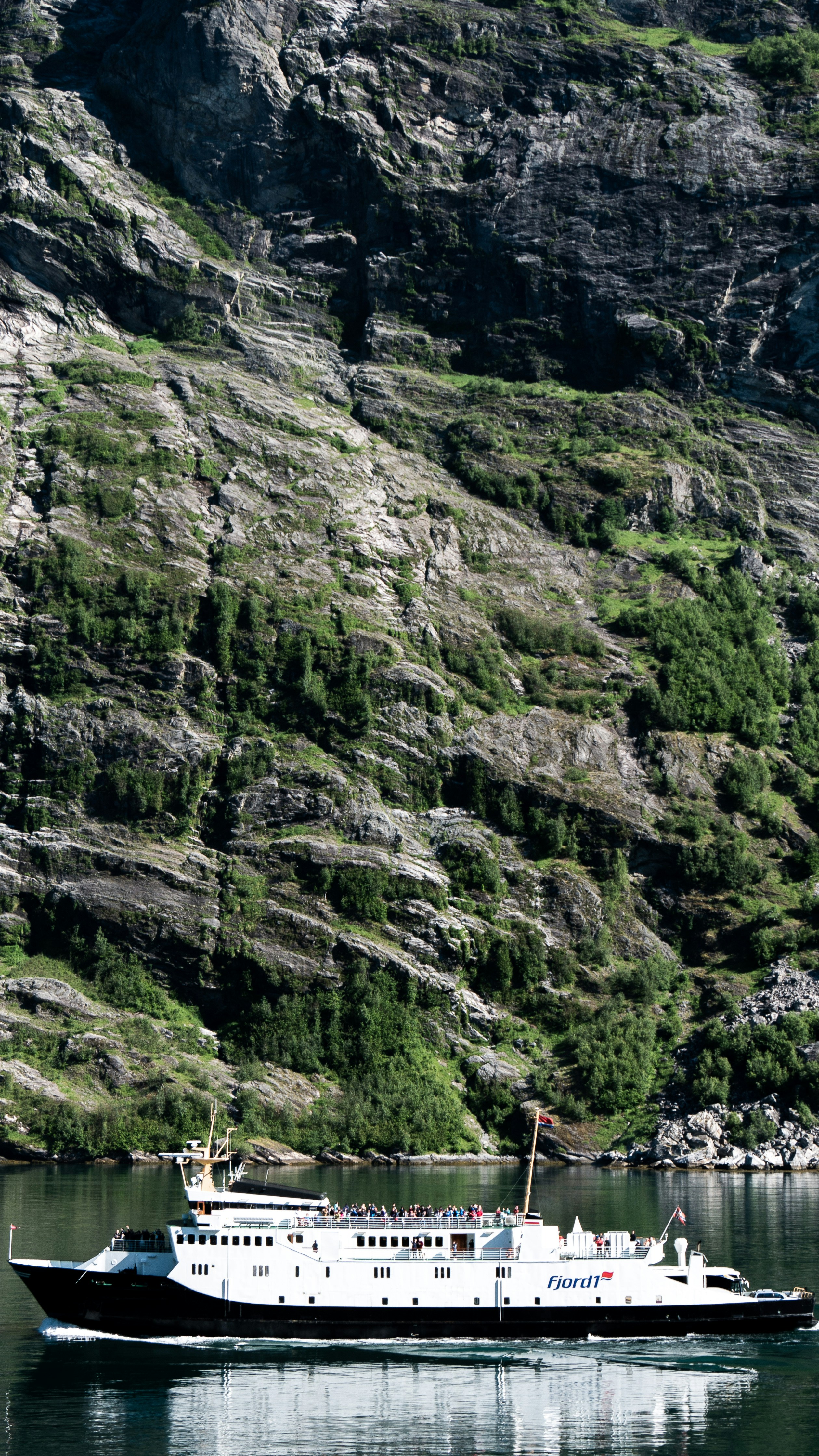
The Faroe Islands, a picturesque archipelago situated in the North Atlantic Ocean, are renowned for their breathtaking natural beauty and rich cultural heritage. This unique destination comprises 18 volcanic islands, characterized by rugged cliffs, deep fjords, and lush valleys that provide a dramatic backdrop for numerous outdoor activities. The islands are often described as a hidden gem, offering a perfect blend of tranquility and adventure, making them an appealing location for nature enthusiasts, hikers, and anyone seeking a serene getaway.
Geographically, the Faroe Islands lie between Iceland and Norway, with the closest distance to mainland Europe being over 1,400 kilometers away. The islands experience a maritime climate, which results in mild temperature variations but frequent rainfall, creating an ideal setting for the rich green landscapes that residents and visitors enjoy. The coastal waters surrounding the islands are rich in marine biodiversity, making them a prime spot for fishing and birdwatching, especially for species such as puffins and sea eagles.
Politically, the Faroe Islands hold a unique status as an autonomous territory within the Kingdom of Denmark. Though they are governed by their own parliament and have control over most domestic affairs, Denmark retains responsibility for foreign policy and defense. This relationship has allowed the Faroe Islands to embrace a distinct cultural identity while benefiting from support and resources from Denmark. The islands preserve a vibrant blend of Norse traditions and modern influences, resulting in a rich cultural tapestry that enhances their appeal as a travel destination.
Who Needs a Visa for the Faroe Islands?
The Faroe Islands, an autonomous territory within the Kingdom of Denmark, have specific visa requirements that vary depending on a traveler’s nationality. Generally speaking, travelers from EU/EEA countries do not require a visa to enter the Faroe Islands. This exemption allows citizens from these nations to stay for short periods, typically up to 90 days within a 180-day timeframe, for tourism or business purposes.
In addition to EU/EEA citizens, nationals from several other countries, including the United States, Canada, Australia, New Zealand, and a few others, are also exempt from needing a visa for stays up to 90 days. This facilitates relatively easy access for travelers from these nations to explore the stunning landscapes and rich cultural heritage of the Faroe Islands.
However, travelers from countries that do not enjoy visa-free access must apply for a Schengen visa. This includes individuals from various regions, such as Asia, Africa, and South America. The Schengen visa allows entry into the Faroe Islands, but travelers must ensure they meet all requirements and follow the application procedures correctly. The visa application typically involves providing documentation such as proof of accommodation, financial means, and travel insurance.
Moreover, those planning to work, study, or stay longer than the standard short stay must navigate additional regulations, which may involve longer-term permits or specific types of visas tailored to their situation. Overall, understanding these requirements is crucial for ensuring a smooth journey to the Faroe Islands, whether for leisure or essential engagements.
Types of Visas for the Faroe Islands
The Faroe Islands, an autonomous territory within the Kingdom of Denmark, require various types of visas depending on the purpose of a visitor’s stay. Below, we explore the main categories of visas available for those planning to visit or live in the Islands.
Tourist Visa: A tourist visa is intended for individuals seeking to visit the Faroe Islands for leisure or exploration. Generally, this visa allows stays of up to 90 days within a 180-day period. Travelers must provide proof of accommodation, sufficient financial means, and a return ticket when applying. It is essential to note that citizens of certain countries may not require a visa for short stays, benefiting from visa exemption agreements.
Work Permit: For those intending to work in the Faroe Islands, obtaining a work permit is mandatory. The type of work permit issued depends on the specific occupation and the applicant’s skills. Employers often play a crucial role in this process, as they must provide a job offer before the visa can be processed. Applicants will also need to demonstrate their qualifications and comply with local labor regulations.
Student Visa: Individuals who aim to study at an educational institution in the Faroe Islands must apply for a student visa. This visa category allows students to stay for the duration of their educational program. To qualify, students must be accepted into a recognized institution and show proof of sufficient funds to support their stay.
Family Reunion Visa: A family reunion visa is available for those wishing to join family members residing in the Faroe Islands. This visa is granted under specific conditions, including the need for the resident family member to fulfill financial requirements, which ensures that they can support their relatives during their stay.
Visa Application Process
The application process for a visa to the Faroe Islands involves a series of structured steps that applicants must adhere to meticulously. To ensure a smooth application, it is essential to understand each phase clearly.
First and foremost, applicants must determine the type of visa they need. The Faroe Islands offer various types of visas, typically short-stay Schengen visas or residence permits. Once this is established, the next step is to gather the required documentation, which generally includes a valid passport, proof of accommodation, a travel itinerary, financial statements proving sufficient funds, and a completed visa application form. Ensure all documents are current and authentic to prevent delays or rejections.
Once the necessary documents are compiled, the applicant should submit their application at the nearest Danish diplomatic mission or consulate, as the Faroe Islands are part of the Kingdom of Denmark. It is advisable to book an appointment for submission, if required, as some consulates may have specific operating hours and stipulations. There may also be a visa application fee, which varies depending on the visa type; ensure to check the exact amount and acceptable payment methods on the consulate’s website.
For a successful application, consider these tips: submit your application well in advance, ideally 15 days before your planned travel, as processing times can vary. Ensure all forms are completed accurately and all documents are included; incomplete applications are often delayed or denied. It is also recommended to provide any additional supporting documents that can strengthen your case, such as an invitation letter from a host in the Faroe Islands.
By following these steps diligently and ensuring a comprehensive application, you increase your chances of obtaining a visa to the Faroe Islands without unnecessary complications.
Documents Required for Visa Application
When planning a visit to the Faroe Islands, it is essential to gather the necessary documents required for a visa application. The process can vary depending on your nationality and the type of visa you are applying for, but certain fundamental documents typically remain constant.
First and foremost, a valid passport is a must. Your passport should have at least six months of validity remaining from your planned date of departure. Additionally, it should contain at least two blank pages to accommodate visa stamps and any other official markings.
Next, a completed visa application form is required. This form can usually be obtained from the embassy or consulate’s website of the country where you reside. Ensure that you fill out the application accurately and completely to avoid any delays or denials.
Financial statements play a crucial role in demonstrating your ability to support yourself during your stay. Applicants should provide bank statements for the last three months, along with detailed proof of income, such as pay stubs or employment letters.
Moreover, a travel itinerary detailing your planned activities, accommodation bookings, and travel arrangements is essential. This itinerary should clearly outline your intended dates of entry and exit from the Faroe Islands.
In addition to these documents, any supporting documents relevant to your application type—such as invitation letters from sponsors or partners in the region—should also be included. Furthermore, applicants may consider including proof of travel insurance, which is often a requirement for entry into the Schengen Area, of which the Faroe Islands is a part.
Gathering these documents ahead of time can streamline the visa application process and contribute to a more efficient travel experience. It is advisable to check the specific requirements for your nationality and ensure that all documents are current and accurately reflect your travel plans.
Processing Time for Faroe Islands Visa
The processing time for a Faroe Islands visa can vary significantly depending on the visa category an applicant is pursuing. For short-stay Schengen visas, which allow travel within the Schengen Area for up to 90 days, the processing time typically ranges from 15 to 30 days. However, applicants should be aware that during peak travel seasons or holidays, these timelines may extend due to increased demand and a higher volume of applications being processed.
For long-stay visas or residence permits, the processing time can take considerably longer, often from a few weeks to several months. Factors that may influence the processing duration include the completeness of the application submitted, specific individual circumstances, and whether additional documentation is required. Applicants are strongly encouraged to ensure that all necessary documentation is provided at the time of application to avoid delays.
Moreover, applicants who apply via a visa application center or consulate may have an opportunity to track their visa application status online. Many diplomatic missions provide online tracking services that allow candidates to monitor their application progress. This feature can alleviate some of the uncertainties applicants face during the waiting period. It is advisable to keep the receipt or reference number provided upon submission, as this information is typically necessary for any inquiries regarding the application status.
To optimize the chances of a timely processing experience, applicants should also consider applying for their visas well in advance of their intended travel dates. By planning ahead, they can accommodate any unexpected delays and ensure a smoother journey to the Faroe Islands.
Traveling to the Faroe Islands: What to Expect
Upon arrival in the Faroe Islands, travelers can expect a distinct yet welcoming atmosphere that perfectly marries nature with hospitality. The primary entry point is the Vágar Airport, which caters to international flights, majority of which connect through major European cities. Once at the airport, customs procedures are straightforward. Visitors should present valid travel documents, along with any necessary visas, if applicable. Customs officials typically conduct routine checks, ensuring a smooth entry process into this stunning archipelago.
It is vital for travelers to be aware of local laws and customs to ensure compliance during their stay. The Faroe Islands operate under Danish law; however, certain local regulations may differ. For example, there are stringent rules concerning littering and natural habitat preservation, reflecting the community’s commitment to sustainability. Alcohol consumption laws are also notable; for instance, buying and consuming alcohol in public areas are restricted, promoting responsible enjoyment in designated spaces.
Communication is generally not a barrier, as Faroese people are adept in English, particularly in urban areas, which aids international visitors in navigating their surroundings. Nonetheless, learning a few basic phrases in Faroese can enhance interactions with locals, who often appreciate the effort.
The weather in the Faroe Islands can be unpredictable, with rapid changes; hence, appropriate clothing is recommended to adapt to the elements while exploring the picturesque landscapes. The islands boast remarkable scenery, including rugged cliffs and serene villages, which can enrich the travel experience. By understanding the customs and laws of the land, visitors can enjoy their time in this unique destination, creating lasting memories while respecting the local culture.
Tips for a Smooth Visa Experience
Navigating the visa process for the Faroe Islands can be daunting, but with the right preparations and knowledge, travelers can ensure a seamless experience. Begin by thoroughly researching the visa requirements specific to your nationality and planned duration of stay. The official Faroe Islands government website is an invaluable resource that provides up-to-date information on visa types, application procedures, and necessary documentation.
One practical tip is to apply for your visa well in advance of your intended travel date. Visa processing times can vary significantly, so allowing extra time will help reduce stress and avoid potential travel delays. It’s advisable to gather all necessary documents—such as a valid passport, photographs, travel itinerary, accommodation bookings, and proof of financial means—before submitting your application, verifying the requirements aligned with your specific visa category.
Common pitfalls include failing to provide complete documentation or inaccuracies within the application. Double-checking all information can prevent unnecessary complications. Additionally, be mindful of the visa interview, if applicable; preparing for this by understanding common questions and formatting your answers clearly can be beneficial. Familiarizing yourself with any health-related requirements, especially in light of recent global events, will further aid in a smooth application process.
For travelers uncertain about their visa eligibility, seeking assistance from a professional immigration consultant or legal expert can be a wise investment. These professionals can offer tailored advice and services to ensure all documentation is correctly filled out and submitted promptly. Furthermore, being aware of the contact information for relevant embassies or consulates can provide immediate access to assistance if issues arise during your application.
Conclusion
In conclusion, obtaining a visa for the Faroe Islands is a structured process that requires travelers to be well-informed and prepared. As part of the Kingdom of Denmark, the Faroe Islands have specific entry requirements that may vary based on the traveler’s nationality. It is essential for prospective visitors to determine whether they need a visa based on their individual circumstances. For many countries, including those part of the Schengen Agreement, travel to the Faroe Islands is relatively straightforward, with short stays often permitted without a visa.
Moreover, understanding the documentation required for visa applications, such as travel insurance, proof of accommodation, and financial means, can significantly expedite the process. As discussed, gathering all necessary documents and submitting the application in a timely manner plays a crucial role in securing a visa for your trip.
Travelers are encouraged to look into travel options, plan their itineraries, and embrace the stunning landscapes the Faroe Islands have to offer. The islands boast breathtaking scenery, vibrant culture, and a rich heritage, making it a destination filled with adventure and discovery. By ensuring that the visa process is handled efficiently, one can focus more on the memorable experiences awaiting them.
As you embark on your journey to the Faroe Islands, remember that thorough preparation is vital. With the right approach and understanding of the visa requirements, you will be ready to explore the captivating beauty and unique charm of this remarkable destination.
Leave a Reply