

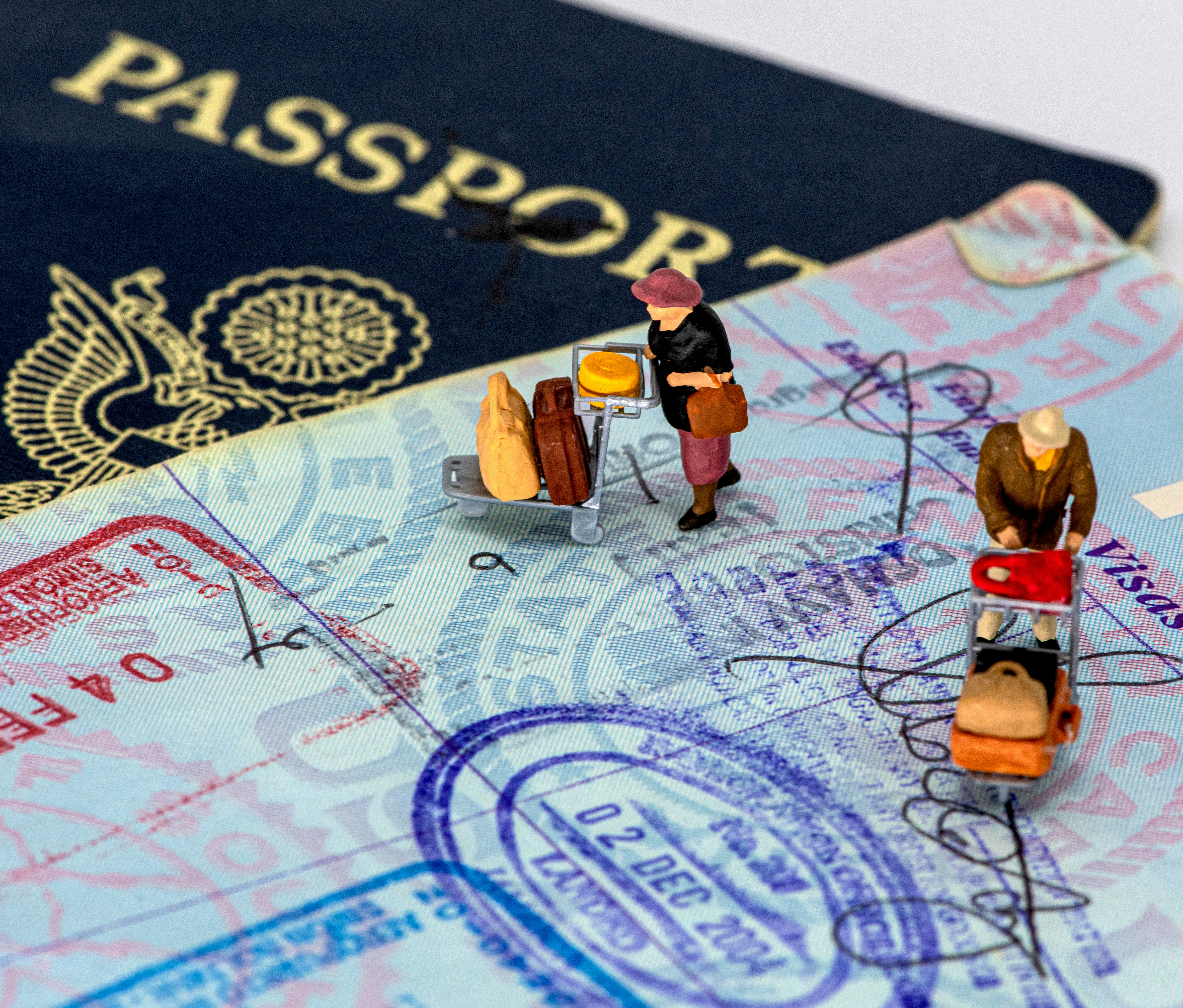
Introduction to France Visa Types
Traveling to France often necessitates obtaining a visa, which serves as an authorization for entry into the country. The French visa system accommodates various travel purposes, and as such, it issues distinct types of visas to cater to these needs. Understanding the different visa categories is imperative for travelers, as each type is tailored to specific situations and durations of stay.
The most commonly applied for is the short-term Schengen visa, which allows visitors to stay in France and other Schengen Area countries for up to 90 days within a 180-day period. This visa is ideal for tourists and business travelers who require temporary access to the country for leisure or professional engagements. Typically, applicants can submit their Schengen visa requests through the relevant French consulate or visa application center in their home countries.
For individuals planning to stay longer, France offers several long-term visas, which permit stays exceeding 90 days. These are often issued to foreign nationals who intend to work, join family members, or reside in France for other purposes. Each long-term visa has specific requirements and application procedures, catering to different needs, including family reunification and long-term studies.
Furthermore, a student visa is essential for international students planning to pursue educational programs in France. This visa not only allows for academic pursuits but also provides certain rights, such as the ability to work part-time to support living expenses. Lastly, special work visas are designed for foreign employees and skilled workers who have secured employment in France, enabling them to contribute their expertise to the local economy.
Eligibility Criteria for France Visa
Obtaining a France visa is contingent upon meeting a set of eligibility criteria that vary based on the type of visa being applied for. Generally, applicants must ensure that their passport is valid for at least three months beyond the planned departure date from France. Additionally, the passport must have been issued within the last ten years and contain at least two blank pages for visa stamps.
Another crucial requirement is the completion of the appropriate visa application form. Whether applying for a tourist, student, or work visa, applicants should accurately fill out the form, providing all necessary personal information and travel details. It is imperative to ensure that the information matches what is documented in the passport to avoid discrepancies.
Photographs are another essential component of the visa application. The specifications for passport-sized photos are strict; applicants must deliver recent images that adhere to the Schengen photo requirements. Typically, these include a clear view of the face, a neutral expression, and a plain background.
In addition to general requirements, specific visa categories have unique prerequisites. For instance, if applying for a student visa, proof of enrollment in a recognized educational institution in France is necessary. For work visas, a job offer or contract from a French employer is mandatory. Furthermore, financial documentation might be required to demonstrate the ability to support oneself during the stay in France, which includes bank statements or sponsorship letters.
It is also critical to ensure compliance with any health insurance requirements, as applicants must provide evidence that they possess valid health insurance covering their entire duration of stay in France. By aligning with these eligibility criteria, prospective travelers can navigate the visa application process more effectively.
The Application Process for a France Visa
The process of applying for a France visa involves several critical steps aimed at ensuring that you submit a complete application. The first step is to determine the type of visa required based on your travel purposes, whether for tourism, business, study, or other reasons. After identifying the appropriate visa category, you can proceed to gather the necessary documents. Common requirements typically include a valid passport, recent photographs, travel itinerary, proof of accommodation, financial statements, and a travel insurance policy.
Next, applicants must fill out the visa application form accurately. This form is crucial as it collects essential information regarding your personal details, purpose of travel, and intended length of stay in France. Ensure that all provided information is correct to avoid delays or rejections. Once completed, it is advisable to review the application multiple times.
Paying the visa processing fee is another essential step in the application process. The fee amount can vary depending on the type of visa and your nationality. Payments are typically done online or at the consulate on the day of your appointment. Keep the payment receipt as it might be required during the consultation.
The next step involves scheduling an appointment with the French consulate or embassy in your country. This can often be done through the official embassy website. During the appointment, you will submit your application form along with all gathered documents, and you may also be required to provide biometric data, such as fingerprints. Finalizing the visa application process may take several days to weeks, depending on various factors like the type of visa and current processing times.
Documentation Required for France Visa
Obtaining a France visa necessitates the submission of a thorough set of documents, which vary depending on the type of visa being applied for. For short-stay Schengen visas, applicants typically need a valid passport or travel document, which should be issued within the last ten years and remain valid for at least three months beyond the intended departure date from the Schengen area. Additionally, applicants are required to provide a completed visa application form, which can usually be downloaded from the official consulate or embassy’s website.
In terms of proof of purpose for the visit, travelers must submit a travel itinerary that outlines their planned activities, along with round-trip flight reservations. Another essential document is a letter of invitation from a host in France or an accommodation confirmation, such as a hotel reservation. This documentation helps to verify the place of stay during the trip.
Financial solvency is also a crucial aspect of the visa application process. Applicants must provide bank statements from the last three months to prove they can support themselves financially during their stay in France. This is complemented by health insurance that covers emergency medical expenses, with a minimum coverage of €30,000. Such insurance must be valid in all Schengen countries.
For specific visa categories, additional documentation may be required. For instance, students applying for a long-stay student visa must present proof of admission to an educational institution in France and proof of financial means, whereas work visa applicants need to include a work contract and employer’s registration. Each visa type has its own checklist, emphasizing the importance of understanding the specific requirements.
Visa Fees and Processing Times
When considering the application for a France visa, the cost and processing time are crucial factors to bear in mind. The fees vary depending on the type of visa you are applying for, as well as your country of origin. For short-stay visas, such as tourist or business visas, the standard fee is approximately €80 for adults, whereas children between the ages of 6 and 12 may qualify for a reduced fee of €40. Children under the age of 6 are generally exempt from visa fees.
Long-stay visas, which are required for stays exceeding 90 days, typically involve higher fees, often ranging from €99 to €260, depending on the specifics of the visa type, including work, student, or family reunification visas. Additionally, applicants seeking a visa for specific purposes, such as a talent passport or a French Tech visa, may encounter different fee structures. It’s essential to verify the most current fees by consulting the official French consulate or embassy website, as they may change based on varying factors such as economic conditions.
In terms of processing times, standard visa applications often take around 15 calendar days. However, this duration can fluctuate considerably depending on the volume of applications being processed at the time. In peak travel seasons, applicants may experience delays; therefore, it is prudent to apply well in advance of your planned travel date.
There are expedited processing options available for applicants who require their visas sooner. These services may incur additional fees and can significantly reduce waiting times. To ensure a successful application experience, it is advisable to gather all required documentation and submit your application in a timely manner, factoring in both processing times and any possible delays.
Interview Preparation for France Visa Applicants
Preparing for a France visa interview requires thorough planning and an understanding of the process involved. Visa applicants must familiarize themselves with the common questions that may arise during the interview at the French consulate or embassy. Additionally, professionals should focus on presenting themselves confidently to make a favorable impression on the interviewers.
Prior to attending the interview, applicants should review their visa applications and gather all necessary documents, including proof of travel, accommodation, and financial means. This preparation not only instills confidence but also ensures that all relevant information is readily available if requested by the interviewer. Common questions typically revolve around the purpose of the visit, length of stay, as well as the applicant’s ties to their home country. Understanding these inquiries can significantly enhance one’s ability to respond effectively.
Practicing answers to potential questions is another crucial aspect of preparation. This can be done through mock interviews with friends or family, to help candidates articulate their thoughts clearly. It is also beneficial to prepare questions to ask the interviewer, demonstrating interest and initiative. Furthermore, applicants should be aware of the appropriate attire for the interview, opting for business formal or smart casual wear that reflects professionalism.
Confidence plays a vital role in the interview process. Maintaining eye contact, speaking clearly, and displaying positive body language can positively influence the interviewer’s perception. Arriving punctually and being polite are equally important, as they demonstrate respect for the process and the officials involved. In conclusion, bear in mind that adequate preparation can significantly improve your chances of successfully obtaining a France visa.
Common Challenges and How to Overcome Them
Obtaining a France visa can be a complex process, often accompanied by various challenges that applicants must navigate. One of the most common issues is document discrepancies. Applicants sometimes provide incomplete or inconsistent information, which can result in delays or outright rejections. To mitigate this risk, it is essential to carefully review all required documentation before submission. Ensure that all forms are filled out accurately and that supporting documents, such as passport copies, photographs, and proof of accommodation, are current and correspond with the information provided on the application.
Another significant hurdle that applicants face is visa rejections. Reasons for denial can range from insufficient financial proof to failure in meeting the eligibility criteria. To enhance the likelihood of approval, applicants should thoroughly understand the specific requirements for their visa category. Additionally, clearly articulating the purpose of travel within the application can provide context that supports the request. If a rejection does occur, applicants have the option to appeal the decision, but it is crucial to act quickly and to address the points raised by the consulate in the rejection letter.
Delays in processing times are also a frequent concern for those seeking a France visa. These delays can stem from backlogs at consulates or missing information in applications. To circumvent such issues, applicants should submit their applications well in advance of their planned travel dates—ideally, this should be at least three months ahead. Keeping track of the application status via official channels can also help applicants stay informed and prepared.
In addressing these challenges, thorough preparation and attention to detail can play a pivotal role in ensuring a smooth application process. By understanding common pitfalls and how to navigate them, applicants can significantly improve their chances of successfully obtaining a France visa.
Extending Your Stay in France: Visa Extensions and Conversions
For those who wish to prolong their stay in France, it is imperative to understand the available options for visa extensions and conversions. Different conditions apply depending on the type of visa initially acquired. For instance, individuals on a short-term visa, such as a Schengen visa, may find themselves considering an extension if their circumstances change unexpectedly, such as unforeseen family needs or work commitments.
To initiate the visa extension process, applicants must schedule an appointment with the local prefecture or sub-prefecture at least two months before the visa expiration date. The application can be submitted online or in person, based on the specific requirements of the local office. It is critical to gather all necessary documentation, which typically includes a valid passport, proof of residence, and a detailed explanation of the reasons for the extension. Depending on the individual case, additional documents such as financial resources or medical insurance might also be required.
Converting a short-term visa into a long-term visa follows a similar path. Generally, a long-stay visa is suited for those wishing to engage in long-term studies, work, or family reunification. To successfully convert a short-term visa, applicants must demonstrate compliance with French immigration laws and provide evidence that supports their eligibility for the new visa category. This process usually demands thorough documentation, including letters of acceptance from educational institutions or employment contracts.
In both cases, it is essential to adhere strictly to deadlines and maintain clear communication with French immigration authorities. Neglecting to apply for an extension or conversion promptly can result in complications, including possible overstaying. For optimal results, individuals are encouraged to seek professional advice or assistance to navigate the complexities of the French visa system.
Conclusion and Resources
In summary, obtaining a France visa can be a structured process that requires thorough preparation and adherence to specific guidelines laid out by the French government. Throughout this guide, we have discussed the various types of visas available for travelers, the necessary documentation required for each type, and the application process itself. Understanding the requirements and following the appropriate steps can significantly enhance your chances of a successful visa application.
To assist you further in your quest for a France visa, it is essential to access credible resources. The official French visa website serves as a comprehensive guide and includes the latest updates on visa policies. You can find valuable information specific to your situation, including application forms and instructions tailored to different visa types.
Additionally, travelers are encouraged to consult their local French embassy or consulate for personalized assistance. Contacting these institutions can provide clarity on common concerns regarding processing times, interview procedures, and any recent changes to the visa application process. Furthermore, connecting with fellow travelers can be beneficial; there are various online forums and communities where experiences can be shared, and advice is exchanged.
Finally, to facilitate your transition, consider reviewing resources such as travel blogs, social media groups, and official tourism websites. These platforms can provide insights that enhance your trip planning, ensuring a well-rounded experience in France. Proper research and preparation will not only ease the visa application process but also pave the way for an enjoyable stay in France, allowing you to immerse yourself in its vibrant culture and stunning landscapes.
Leave a Reply