

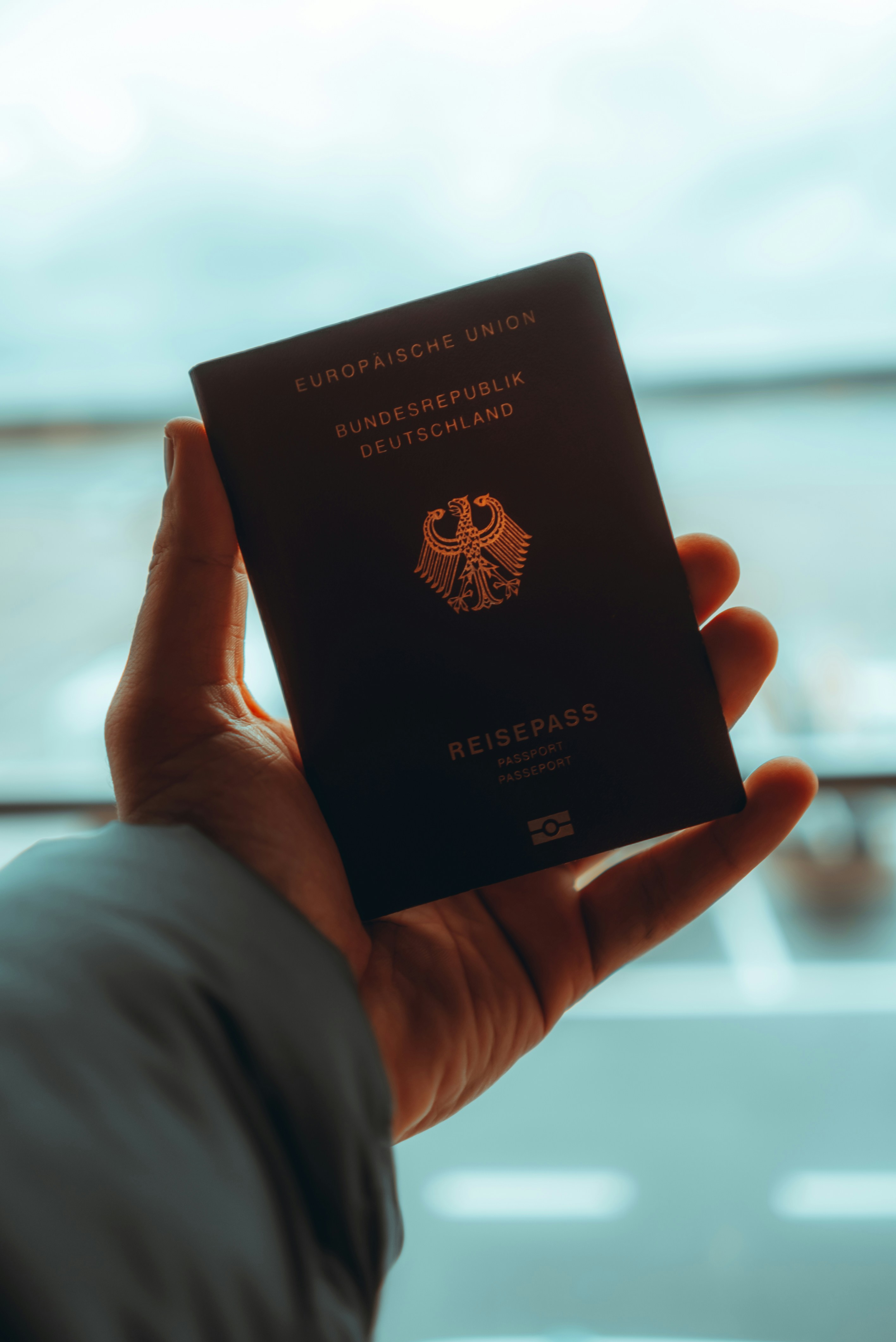
Introduction to Germany Visa
A Germany visa is an essential document for non-EU nationals intending to enter the country for various purposes. This visa allows travelers to engage in activities such as tourism, education, employment, or family reunions. It serves as a formal authorization, enabling foreign nationals to legally stay in Germany for a specified duration, aligning with their intended activities.
The significance of obtaining a Germany visa cannot be understated. For many travelers, this visa is a gateway to experiencing the diverse culture, rich history, and innovative economy that Germany offers. Each type of visa is tailored to meet the needs of different visitors, ensuring that everyone has the opportunity to contribute to and benefit from their stay in the country.
Germany offers several categories of visas. The tourist visa is designed for those visiting for leisure and sightseeing, typically valid for short stays. The student visa caters to individuals who wish to pursue higher education at German institutions, providing them the necessary permissions to stay for the duration of their studies. Work visas are required for foreign nationals who intend to take up employment in Germany, and generally necessitate a job offer from a German employer. Finally, family reunion visas enable individuals to bring relatives who hold legal residency or citizenship in Germany. Each visa type comes with its own set of eligibility criteria and procedures, which must be followed meticulously to facilitate a smooth application process.
Overall, understanding the various types of Germany visas and their importance is crucial for anyone wishing to travel to or settle in Germany. It ensures compliance with immigration regulations and facilitates a rewarding experience in this vibrant nation.
Types of Germany Visas
Germany offers a variety of visa options tailored to meet the diverse needs of travelers. Understanding the types of German visas available is essential for anyone planning to visit or stay in the country for an extended period.
One of the primary categories is the Schengen visa, which is ideal for short stays. This visa allows travelers to stay in Germany and other Schengen Area countries for tourism or business purposes, for up to 90 days within a 180-day period. The process requires applicants to provide proof of accommodation, travel insurance, and sufficient financial means to support themselves during their stay.
For individuals looking to stay in Germany for a longer duration, there are national visas. These are designed for various purposes, including study, work, or family reunification. A student visa is available for those accepted into higher education institutions, allowing stays typically up to 90 days to enter and apply for a residence permit for longer studies. Work visas require prospective employees to receive job offers from German companies and often include requirements related to qualifications and language proficiency.
The family reunification visa is another important option, enabling foreign nationals to bring their relatives to Germany. Applicants must demonstrate that they have sufficient income to support their family members and adequate living space. Each of these visa types has specific documentation requirements and processing times, which can vary depending on factors such as nationality and purpose of stay.
In summary, understanding the types of German visas available enhances applicants’ ability to choose the most appropriate option for their needs, whether for short visits or extended stays in Germany.
Eligibility Criteria for a Germany Visa
When planning to apply for a Germany visa, it is essential to understand the eligibility criteria that applicants must meet. These requirements ensure that prospective travelers are adequately prepared for their journey and can comply with the regulations set forth by German authorities.
The first fundamental requirement is possession of valid travel documents. Applicants must hold a passport that is valid for at least three months beyond their intended departure date from Germany. Additionally, the passport should have been issued within the last ten years and contain a minimum of two blank pages for visa stamps. This ensures that the applicant can be identified and verified upon entry into the country.
Another critical criterion pertains to financial stability. Applicants must demonstrate that they have sufficient financial means to support themselves during their stay in Germany. This can be evidenced through bank statements, proof of employment, or sponsor letters, showing that the applicant is capable of covering accommodation, food, and other living expenses. The exact amount required may vary depending on the length of stay and specific visa type.
Health insurance is also a mandatory requirement for obtaining a Germany visa. Applicants must provide proof of adequate health insurance coverage that is valid in Germany. This insurance should cover medical expenses and hospitalization during the stay, with a minimum coverage of 30,000 euros. It is crucial to purchase health insurance from a recognized provider to ensure compliance with German regulations.
Lastly, other necessary documentation may include details of travel itinerary, proof of accommodation arrangements, and any applicable visas or permits for travelers from specific countries. Thorough preparation of these documents not only aids in meeting eligibility requirements but also enhances the chances of a successful visa application.
Application Process for a Germany Visa
Applying for a Germany visa is a structured process that involves several important steps. First and foremost, it is essential to determine the type of visa required based on the travel purpose, as Germany offers various categories such as tourist, student, work, and family reunion visas.
Once the visa type has been identified, the applicant must complete the visa application form. The form can be downloaded from the official website of the German embassy or consulate in the applicant’s country. It is imperative to fill this form accurately and sign it, as any discrepancies can lead to delays or rejection. Supporting documents, including a valid passport, photographs, travel insurance, and proof of sufficient funds, should also be prepared to accompany the application.
Next, the potential visa applicant needs to schedule an appointment at the nearest German embassy or consulate. This step is crucial, as most embassies require applicants to submit their documents in person. During the appointment, applicants will submit the filled application form along with the supporting documents. It is advisable to book this appointment well in advance, as slots may fill up quickly, especially during peak travel seasons.
After submission, applicants must pay the visa fee. The methods of payment can vary by location but often include online payment, bank transfers, or payments made directly at the embassy. Ensure to check the specific payment options available as outlined on the embassy’s official website.
In summary, the entire application process for a Germany visa necessitates careful preparation, timely appointments, and adherence to the outlined procedures to ensure a smooth experience. Following these guidelines will assist in successfully obtaining the desired visa.
Documents Required for a Germany Visa
Obtaining a Germany visa necessitates the submission of several essential documents, which are critical for a smooth application process. The primary document required is a valid passport, which should be issued within the last ten years and must have at least two blank pages. The passport should also remain valid for at least three months beyond your planned return date from Germany.
Alongside the passport, applicants need to provide two recent passport-sized photographs, adhering to the specifications outlined by the German authorities. This photographic evidence should be clear, capturing the applicant’s face and should be of good quality.
A comprehensive travel itinerary is also paramount. This document outlines your travel plans, including entry and exit dates, flight reservations, and details regarding travel arrangements. In addition, proof of accommodation for the duration of your stay in Germany is required, which can be provided through hotel reservations or an invitation letter from a host.
Furthermore, it is essential to include valid travel insurance details that cover medical emergencies and repatriation. The insurance coverage must be at least €30,000 and should be valid throughout the duration of the stay in Schengen areas.
Financial statements are another significant requirement, demonstrating the applicant’s ability to support themselves during the stay. This can be provided in the form of recent bank statements or pay slips. Additionally, specific documents may be needed based on the type of visa applied for, such as a proof of enrollment for students or a letter from an employer for business visa applicants.
Visa Appointment and Interview Process
Obtaining a Germany visa begins with scheduling a visa appointment, which is a crucial step in the application process. To arrange your appointment, you should visit the official website of the German consulate or embassy in your country. Most consulates offer an online booking system where you can select an available date and time that fits your schedule. It is advisable to schedule your appointment well in advance, as slots can fill up quickly, especially during peak travel periods.
During the interview, you can expect a formal setting where a visa officer will ask questions about your trip to Germany, your personal background, and other relevant matters. The primary goal of the interview is to verify the information provided in your visa application. Common questions may include the purpose of your visit, your intended duration of stay, and your accommodation arrangements in Germany. Additionally, you might be asked about your financial means to support yourself during your stay.
Preparation is key to a successful visa interview. Familiarize yourself with your application details and gather any necessary supporting documents, such as proof of financial stability, travel insurance, and a clear itinerary. Demonstrating honesty during the interview is vital; providing accurate and truthful answers helps build credibility. Should you have previous visa denials, be prepared to discuss these circumstances. Address any past issues candidly and explain how your situation has changed since then.
Overall, your ability to present yourself confidently and transparently can significantly influence the outcome of your visa application. Therefore, taking the time to prepare thoroughly for your appointment and interview is essential.
Processing Time and Visa Fees
The processing time for obtaining a Germany visa can vary significantly based on several factors, including the type of visa applied for, the specific embassy or consulate handling the application, and the volume of applications being processed at that time. Generally, applicants should anticipate a processing period ranging from 2 to 6 weeks. For instance, short-term Schengen visas typically take about 15 calendar days, whereas long-term residence permits may require additional time, sometimes extending to several months, particularly if further documentation or a verification process is necessary.
Another critical factor influencing processing time is the season in which the application is submitted. During peak travel seasons, such as summer months or holidays, embassies can experience an influx of applications, potentially causing delays. Additionally, if an applicant’s documents need to be sent for further review or if there are inconsistencies in application materials, this could also prolong the waiting period significantly.
Regarding visa fees, these costs are equally variable depending on the type of visa and the applicant’s nationality. Typically, a short-stay Schengen visa costs around 80 euros, while national visas for employment or study purposes can range from 100 to 150 euros. Moreover, certain applicants, such as students and children, may qualify for reduced fees or even exemptions. It is also essential to account for potential service charges when applying through external service providers, which might increase the overall expenses. Therefore, it is advisable for applicants to check the specific fees at the relevant consulate well ahead of time to ensure all financial aspects are planned accordingly.
What to Do After Receiving Your Visa
Upon receiving your Germany visa, it is crucial to take several important steps to ensure a smooth travel experience. First and foremost, it is advisable to thoroughly review the visa details. This includes confirming the visa validity dates, which indicate how long you can remain in Germany or travel within the Schengen area. Understanding these dates is essential to avoid overstaying, as it can lead to penalties or difficulties in future travel plans.
Next, make necessary travel arrangements. This includes booking flights, accommodations, and any transportation necessary for your stay. It is recommended to compare options for flights and lodging well in advance to secure the best deals. Make sure to have printed itineraries or digital copies accessible, as these might be required upon arrival or during your travels.
Furthermore, it is imperative to adhere to the visa conditions indicated. Some visas come with specific restrictions, such as travel limitations to certain Schengen countries or stipulations regarding employment. Familiarize yourself with these requirements, as failing to comply can result in serious consequences, including detention or deportation.
Additionally, planning your itinerary can enhance your travel experience. Research local attractions, customs regulations, and emergency contacts in Germany. Being well-informed allows you to navigate the country more effectively and enriches your overall experience.
Lastly, ensure you have appropriate health insurance for your trip. Some visa types may require proof of insurance that covers health emergencies while traveling within the Schengen zone. Confirming that your insurance meets these requirements is a prudent step before finalizing travel plans.
Conclusion and Final Tips
Obtaining a Germany visa is an important step for individuals planning to travel, study, or work in this vibrant country. This comprehensive guide has covered the essential aspects of the application process, including the required documentation, types of visas available, and crucial timelines to keep in mind.
The key takeaway is the importance of thorough preparation. Before beginning your application, it is vital to fully understand the specific requirements for the type of visa you seek. Each visa category, whether for tourism, employment, or education, demands different documents and evidence to validate your application. A meticulous approach to gathering the necessary documents can significantly increase your chances of a successful application.
Additionally, we suggest checking the official German government websites for the most accurate and up-to-date information. These resources provide abundant details, including the latest changes to visa regulations and application procedures. Make use of tools such as the German Federal Foreign Office website, which offers resources tailored to various visa types.
Moreover, timelines should be carefully considered. Applying for a visa can take longer than anticipated due to administrative processes or unforeseen complications. It is advisable to apply well in advance of your intended travel date, accounting for potential delays in processing.
In summary, thorough preparation, informed documentation, and a clear understanding of the timelines involved are key components to successfully securing a Germany visa. We wish you the best of luck in your visa application journey and encourage you to stay updated by consulting official channels for further information.
Leave a Reply