

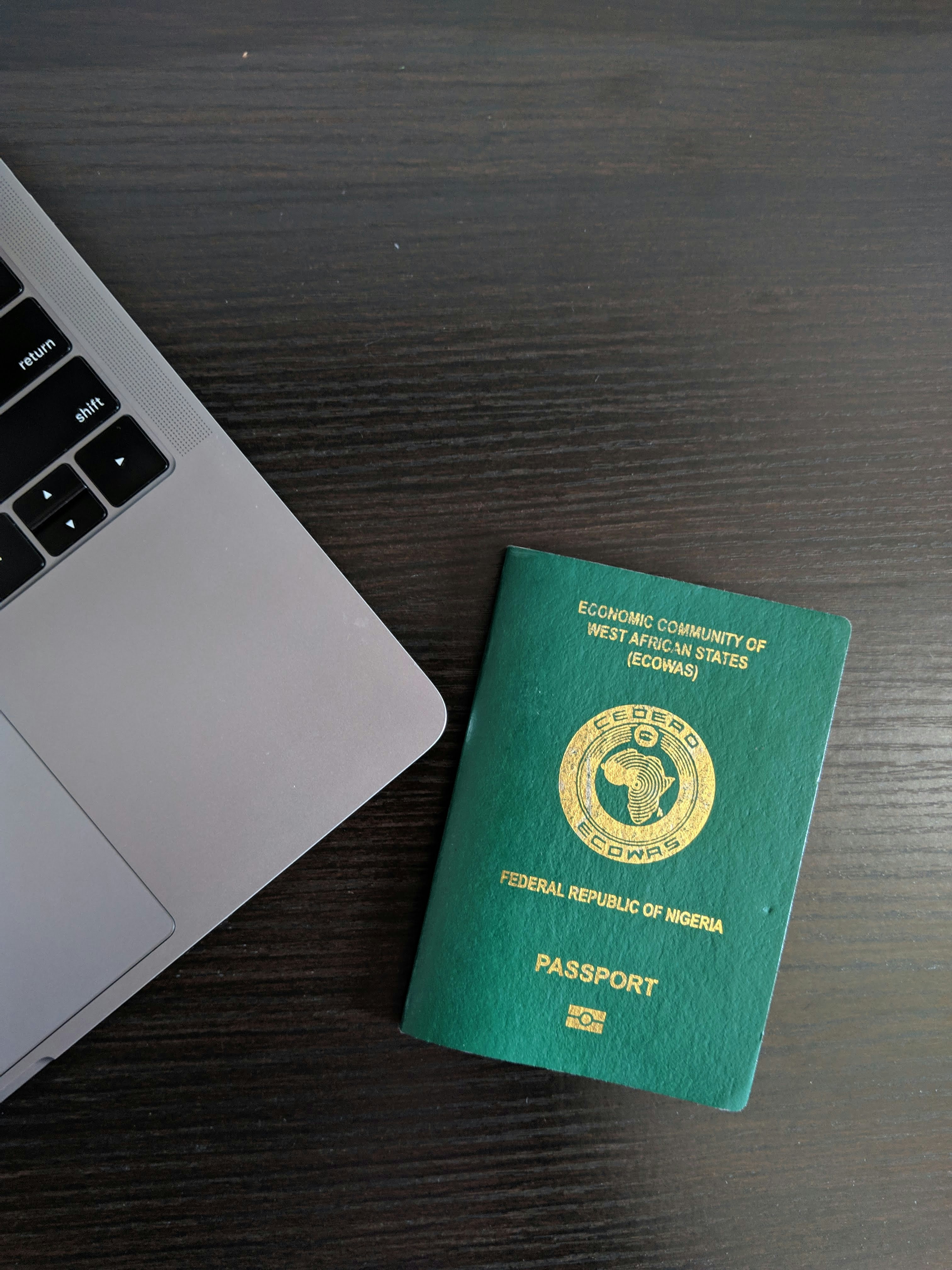
Understanding the Ghana Visa
The Ghana Visa serves as a critical document for foreign nationals wishing to enter the Republic of Ghana. It functions primarily as an official authorization that grants individuals permission to enter, and for some visa types, reside in the country for a specified duration. Without this visa, travelers may face denial of entry at border points. The purpose of obtaining a Ghana Visa is largely dependent on the nature of the visit, which can range from tourism to business activities.
Ghana offers several types of visas tailored to various needs. The most common categories include the tourist visa, business visa, student visa, and transit visa. The tourist visa is designed for individuals looking to explore the picturesque landscapes, cultural festivals, and vibrant cities of Ghana. This visa generally permits a short stay, conducive for holidaymakers and those visiting family or friends.
On the other hand, the business visa is tailored for professionals engaged in activities such as meetings, conferences, and other corporate engagements within Ghana. It may allow for a longer stay than the tourist variant, accommodating business objectives effectively. Students seeking higher education institutions in Ghana must apply for a student visa, which allows them to engage in academic programs. Lastly, the transit visa is necessary for travelers who are making brief stops in Ghana while en route to another destination.
In essence, understanding the different types of Ghana Visas is paramount for prospective travelers. Each category not only serves specific purposes but also dictates the entry regulations and requirements that applicants must satisfy. Thus, prospective visitors should meticulously determine their visa category to ensure compliance with Ghanaian immigration laws.
Who Needs a Visa for Ghana?
When planning a trip to Ghana, it is essential to understand the visa requirements based on your nationality. Visa policies vary significantly; thus, travelers must be aware of whether they require a visa to enter the country. Generally, nationals from over 50 countries, including the United States, Canada, and European Union member states, must apply for a visa prior to their arrival in Ghana.
For those subjected to visa requirements, the process typically involves submitting a visa application along with supporting documents such as a valid passport, travel itinerary, and proof of accommodations. It is advisable to check the specific visa category that aligns with your travel purpose—be it tourism, business, or study. Each category may have different requirements, and accurately following these steps is crucial to facilitate smooth entry into Ghana.
However, there are several exemptions to the visa requirement for certain nationalities. For instance, citizens from ECOWAS (Economic Community of West African States) member countries can enter Ghana without a visa for varying durations, reflecting the strong regional integration within West Africa. Similarly, some countries have special agreements with Ghana that allow for short-stay visits without a visa. Nationals from these countries should verify their eligibility and ensure compliance with any other entry requirements, such as proof of onward travel or financial support.
Before traveling, it is equally prudent to keep abreast of any changes in Ghana’s visa policies, especially considering potential adjustments that can occur due to diplomatic relations or global health issues. Travelers are encouraged to consult the nearest Ghanaian embassy or official government resources for the most accurate and up-to-date information on visa requirements.
Types of Ghana Visas
When planning a visit to Ghana, understanding the various types of visas available is crucial for ensuring a smooth entry into the country. Ghana offers several visa categories, each tailored to specific purposes. The most common types of visas include:
Tourist Visa: This visa is designed for individuals who wish to explore Ghana for leisure. Tourists can engage in various activities, such as sightseeing and cultural experiences. To qualify for a tourist visa, applicants typically need a valid passport, proof of accommodation, and a return ticket. The duration of stay may vary, generally allowing visitors to remain in Ghana for up to 30 days.
Business Visa: The business visa is intended for individuals seeking to conduct business activities in Ghana. This may include attending conferences, meetings, or establishing business relations. Applicants must submit a letter of invitation from a Ghanaian company, along with additional documentation such as proof of the purpose of travel and financial stability. Validity for this visa can range from a few weeks to several months, depending on the nature of the business.
Student Visa: For those wishing to study in Ghana, a student visa is necessary. This category is for individuals enrolled in accredited educational institutions within the country. To apply, students must provide admission letters, proof of funds, and a valid passport. The student visa allows for the duration of the academic program, with a possibility of extension under certain conditions.
Transit Visa: Transit visas are required for travelers passing through Ghana to reach their final destination. This visa is typically valid for a short period, often up to 48 hours. Applicants must have a confirmed onward ticket and meet specific transit requirements.
Understanding the various categories of Ghana visas helps potential visitors choose the right option based on their travel purpose, ensuring compliance with immigration laws and a successful visit to Ghana.
Application Process for a Ghana Visa
The application process for obtaining a Ghana visa involves several steps that are critical to ensuring a smooth experience. To begin, applicants must determine the type of visa they require based on the purpose of their visit, such as tourism, business, or study. Once the appropriate category is confirmed, applicants can proceed to gather the necessary documentation.
Essential documents typically include a valid passport with at least six months of validity remaining, a completed visa application form, passport-sized photographs, and proof of travel arrangements such as flight itineraries or hotel bookings. Depending on the visa type, additional documents might be required, such as an invitation letter from a Ghanaian host or a letter from an educational institution for students.
After compiling the required documents, applicants must fill out the visa application form. This form can often be downloaded from the website of the nearest Ghanaian embassy or consulate. Some embassies may also offer online application systems, allowing for a more streamlined submission process. It is crucial to ensure all information is accurate and complete to avoid processing delays.
Submission of the visa application can be done either online or in person at the designated Ghanaian embassy or consulate. For those applying in person, scheduling an appointment might be necessary. After submitting the application and paying the required visa fee, applicants should keep track of their application status, which can often be done online or by contacting the embassy directly.
Ultimately, upon approval, the visa will be affixed to the applicant’s passport, allowing them to travel to Ghana. Each step in the application process requires attention to detail and adherence to outlined procedures to ensure a successful visa acquisition.
Required Documents for Ghana Visa Application
Acquiring a Ghana visa necessitates a comprehensive understanding of the required documents tailored to the type of visa being sought. Generally, the visa categories comprise tourist, business, student, and transit visas, each with its unique requirements. The first essential document is a valid passport, which must have a minimum validity of six months beyond the planned date of entry into Ghana. Additionally, the passport should contain at least one blank page for the visa stamp.
A recent passport-sized photograph is also mandated, typically measuring 2 inches by 2 inches, adhering to the standard guidelines for visa applications. This photograph must be clear, in color, and taken against a plain white background to ensure proper identification processing.
Another critical component of the Ghana visa application includes a financial statement. Applicants must provide proof of sufficient funds to cover their stay. This could be demonstrated through bank statements from the last three months or a letter of sponsorship from a host in Ghana if applicable. Furthermore, if staying at a hotel, a confirmed reservation that details the intended periods of stay will be necessary.
In addition to these documents, proof of accommodation is required. This includes a hotel confirmation or an invitation letter from a resident of Ghana who will host the applicant. For student visas, applicants must also present an acceptance letter from an educational institution in Ghana, confirming their enrollment in a study program.
Ultimately, preparing all requisite documentation is vital for a successful visa application process. Each document must be current, truthful, and accurately reflect the applicant’s intent and plans while in Ghana.
Visa Fees and Processing Time
Obtaining a Ghana Visa involves understanding the associated fees and the processing times for different types of visas. Each visa category may have distinct fees based on its nature and duration. As of the latest information, the costs typically span between $60 to $150 USD. It is worth noting that prices can vary depending on the applicant’s nationality and the specific visa type, such as tourist, business, or student visas.
Payment methods are relatively straightforward. Applicants can usually pay the visa fees through bank transfers or online payment platforms specified by the Ghanaian embassy or consulate. Some consulates may also accept payments via credit or debit cards for convenience. It’s vital to keep a record of the payment receipt, as it may be necessary to present this during the visa application process.
The processing time for a Ghana Visa can vary significantly. Generally, the standard processing duration ranges from 5 to 15 business days. However, the length of time may differ based on several factors, including the type of visa being applied for, the volume of applications at the consulate, and whether additional documentation or an interview is required. It’s recommended that applicants allow ample time for processing, especially during peak travel seasons, to avoid any unforeseen delays.
It is essential for applicants to check the official website of the Ghanaian embassy or consulate for the most accurate and up-to-date information regarding visa fees and processing times, as these details may change periodically. By preparing in advance and ensuring proper payment and documentation, applicants can facilitate a smoother visa acquisition process.
Visa on Arrival in Ghana
Ghana offers a Visa on Arrival option for certain travelers, making it easier for them to enter the country without the need for pre-arranging a visa beforehand. This policy is particularly advantageous for those who may face challenges obtaining a visa due to limited access to Ghanaian embassies or consulates, or for travelers who have made last-minute plans.
Eligibility for a Visa on Arrival in Ghana primarily depends on the traveler’s nationality. Specifically, citizens of certain countries can apply for this visa option. It is essential for travelers to check whether their country is included in the list of eligible nations before planning their trip. Additionally, the Visa on Arrival is typically intended for tourists and business professionals; thus, the purpose of travel must align with these categories.
When applying for a Visa on Arrival, travelers must present specific documentation. This includes a valid passport with at least six months’ validity beyond the intended stay, a confirmed return flight ticket, accommodation details, and financial proof that shows sufficient funds for the duration of their stay. It is also crucial to have documentation that supports the purpose of the visit, such as hotel reservations or an invitation letter for business travelers.
In terms of fees, the Visa on Arrival in Ghana incurs a charge that varies depending on the traveler’s nationality and the duration of stay. It is advisable to carry cash in USD or the local currency, as electronic payment methods may not be readily available at the point of entry. Travelers should anticipate potential processing times, as the issuance may take several hours depending on the situation at the airport.
Tips for a Successful Ghana Visa Application
Obtaining a Ghana visa can be a straightforward process if applicants are well informed and diligent in their approach. To increase your chances of a successful application, consider the following essential tips.
First and foremost, ensure that your application is complete. Review the requirements specific to the type of visa you are applying for, and make sure that you have gathered all necessary documents, including a valid passport, passport-sized photos, and proof of accommodation or invitation. Omitting vital components can lead to delays or rejection.
Next, it is crucial to understand the timeline associated with the visa application process. Different types of Ghana visas may require varying processing times. For instance, tourist visas might be processed faster than business visas. Therefore, applicants should submit their applications well in advance of their intended travel dates to avoid last-minute complications.
Once you have submitted your application, do not hesitate to follow up. Many applicants overlook this step, which can lead to prolonged waiting periods. Utilize official channels to check the status of your application. This proactive approach not only demonstrates your interest but also keeps you informed about any potential issues that may arise.
Furthermore, consider seeking guidance from individuals who have already navigated the application process. Personal experiences can provide valuable insights into what to expect, including unforeseen challenges and tips on best practices. Online forums or local expatriate groups may serve as excellent resources.
Lastly, review all the information you have provided before submission. Small errors can result in significant delays. By ensuring your application is flawless and adhering to the guidelines set forth by the Ghanaian authorities, you enhance your chances of obtaining a visa promptly.
Frequently Asked Questions about Ghana Visas
Obtaining a visa for Ghana can raise numerous questions among prospective travelers. Below, we address some of the most common inquiries regarding Ghana visas, including topics such as renewal, overstays, and the appeal process following a visa denial.
How can I renew my Ghana visa? To renew a Ghana visa, it is advisable to begin the process at least one month prior to the expiration of your current visa. Applicants must submit a completed application form, along with required documentation such as a valid passport, photographs, and payment of the renewal fee. It is essential to check with the nearest Ghanaian embassy or consulate for specific instructions, as procedures can vary.
What happens if I overstay my Ghana visa? Overstaying a Ghana visa can result in significant consequences, including fines, deportation, or being banned from re-entry. If you find yourself in this situation, it is crucial to report to the nearest immigration office as soon as possible. The authorities may allow you to regularize your stay or impose a fine. Keeping records of your entry and exit dates is advisable to handle any disputes effectively.
How do I appeal a visa denial? Appealing a visa denial in Ghana involves a formal process. First, applicants should carefully read the refusal letter to understand the reasons for denial. Subsequently, a written appeal can be submitted to the relevant Ghanaian embassy or consulate, including any additional documents that could address the reasons for the initial denial. It is vital to ensure that the appeal is lodged within the stipulated timeframe, as late submissions may not be accepted.
By addressing these frequently asked questions, this section aims to clarify some common concerns regarding acquiring, renewing, and maintaining compliance with visa regulations in Ghana. Proper understanding will facilitate a smoother travel experience for all visitors.
Leave a Reply