

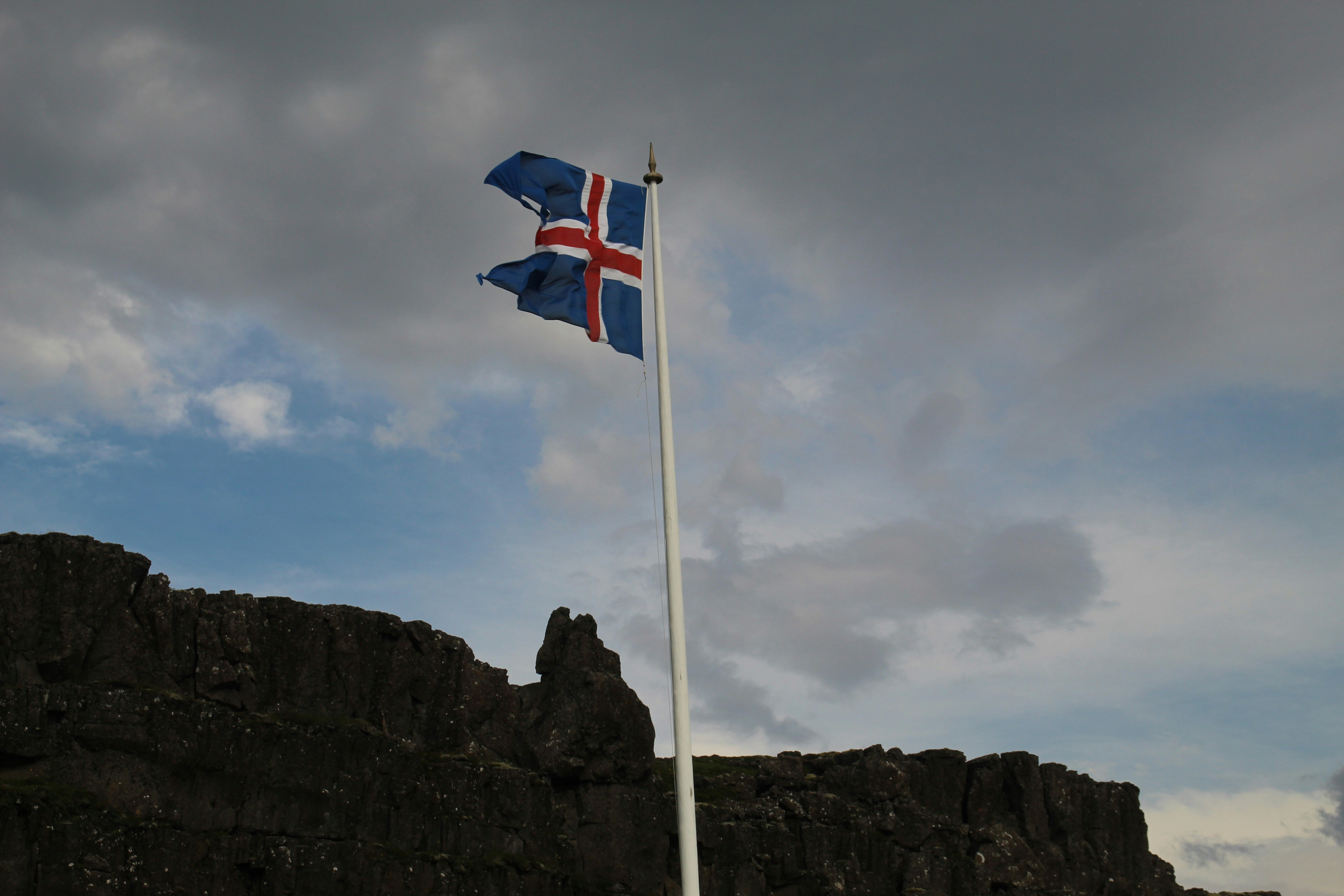
Introduction to Iceland Visa
Iceland, known for its breathtaking landscapes and rich cultural heritage, attracts millions of travelers each year. However, before embarking on a journey to this Nordic island nation, it is crucial to understand the visa requirements that apply to foreign visitors. A visa for Iceland serves as an official document that permits entry into the country, based on the regulations established by the Icelandic government in line with Schengen Area policies.
As a member of the Schengen Agreement, which comprises 26 European countries, Iceland allows for passport-free travel among member nations. Nevertheless, while some travelers from specific nationalities can enter Iceland without a visa, others must secure one depending on their country of origin and the purpose of their visit. Typically, travelers from countries outside the European Union may need to apply for a short-stay visa (Type C) for tourism, business, family visits, or other short-term stays.
Understanding the nuances of the Iceland visa application process is essential to ensure a smooth journey. The requirements can vary significantly based on factors such as nationality, purpose of travel, and duration of stay. Therefore, it is advisable for potential visitors to familiarize themselves with the specific guidelines tailored to their circumstances. Those traveling from countries with visa-free arrangements should also be aware of the duration limitations and conditions tied to their entries.
In this guide, we will delve deeper into the various types of Icelandic visas, the application process, and the documentation necessary to facilitate your travel plans. By being well-informed about Iceland’s visa requirements, travelers can better prepare for their visit and fully embrace the enchanting experiences that await them in this remarkable country.
Types of Visas for Iceland
Iceland is a significant member of the Schengen Area, which influences the types of visas available for foreign nationals. Various categories of visas facilitate entry into the country depending on the purpose of the visit. Understanding these types can aid applicants in selecting the appropriate visa for their needs.
The most common type of visa for short-term visits to Iceland is the Schengen Visa (Category C). This visa allows holders to stay in Iceland and other Schengen member states for up to 90 days within a 180-day period. It is ideal for tourists, business travelers, and those attending cultural events. To obtain a Schengen Visa, applicants typically need to demonstrate sufficient financial means, travel health insurance, and an itinerary that supports their reason for travel.
For individuals seeking to relocate to Iceland for extended periods, such as for study or employment, long-stay visas (Category D) are available. The long-stay visa permits stays exceeding 90 days. Applicants for this visa must meet specific requirements, which can include receiving a work offer from an Icelandic employer or admission from a recognized educational institution. Additional documentation, such as proof of accommodation and financial stability, may also be required.
There are also transit visas for individuals passing through Iceland to another destination. These visas are generally short-term, allowing the holder to remain in the international airport area only. It is important to check the specific requirements, as visa regulations may vary based on nationality and travel plans.
Moreover, Iceland offers other special categories of visas such as those for family reunification and for participants in specific exchange programs. Understanding the various visa options available is crucial for prospective travelers to ensure compliance with Icelandic immigration laws and regulations.
Who Needs a Visa to Enter Iceland?
When planning a visit to Iceland, it is essential to understand the visa requirements based on nationality. Iceland, as a member of the Schengen Area, follows a unified visa policy that regulates the entry of foreign nationals. Citizens from specific countries are required to obtain a visa before traveling to Iceland, while others may enter visa-free for short stays.
Travelers from countries within the European Economic Area (EEA) and Switzerland do not require a visa to enter Iceland. This includes nationals of Austria, Belgium, France, Germany, Greece, Italy, Netherlands, Norway, Spain, Sweden, and several others. Similarly, citizens from countries like the United States, Canada, Australia, and New Zealand can visit Iceland for up to 90 days without a visa.
On the other hand, citizens from various nations must obtain a Schengen visa prior to their arrival. This group predominantly includes citizens from regions like Africa, the Middle East, Asia, and South America. For instance, individuals from countries such as Afghanistan, Bangladesh, China, India, Iran, Iraq, Nigeria, Pakistan, and Turkey will need to apply for a visa. The complete list of nations requiring a visa can be found on the official Icelandic government website or through the embassy.
It is also essential to note that the visa exemption typically allows for tourism, business meetings, or family visits, while other types of travel, such as work or study, require the appropriate visa type. Therefore, travelers should be aware of their nationality and the applicable regulations, ensuring that they meet the requirements well in advance of their intended travel to Iceland.
Visa Requirements for Iceland
Applying for an Iceland visa necessitates a comprehensive understanding of the specific requirements that vary according to visa types. Whether one is applying for a Schengen visa, a work visa, or a student visa, it is imperative to gather the necessary documentation correctly.
The primary requirement is a valid passport or travel document that must have been issued within the last ten years. It should also have a minimum validity of three months beyond the proposed departure date from Iceland. This guarantees that travelers possess the necessary identification for international travel.
In addition to a valid passport, applicants must provide a completed visa application form alongside recent passport-sized photographs that meet the Schengen photo requirements. Another essential document is proof of financial means, which demonstrates the applicant’s capability to support themselves during their stay. This can include bank statements, pay slips, or sponsorship letters if being funded by another party.
Moreover, securing travel insurance that covers medical expenses up to at least €30,000 is mandatory. This insurance should be valid throughout the Schengen area and must cater for emergencies including medical evacuation or repatriation.
There may also be specific conditions based on the visa type. For example, students might need to provide acceptance letters from educational institutions, while work visa applicants might need contracts or invitation letters from employers. Moreover, any supporting documents should be translated into English or the official language of the embassy providing the visa service.
Preparing these documents meticulously will assist applicants in navigating through the application process with greater ease and efficiency. Understanding these visa requirements is crucial for a smooth transition to Iceland, irrespective of the purpose of the visit.
How to Apply for an Iceland Visa
Applying for an Iceland visa requires a methodical approach to ensure that all necessary documentation is gathered and correctly submitted. Here is a step-by-step guide to help you navigate the Iceland visa application process.
First, determine the type of visa you require. Iceland offers various visa types, including short-stay Schengen visas and long-stay national visas. It is crucial to identify the correct type based on your travel intentions. Once you have established the type of visa needed, the next step is to collect the required documentation. Standard documents include a completed visa application form, valid passport, recent passport-sized photographs, proof of travel health insurance, and evidence of sufficient financial means.
After gathering the necessary documents, you must proceed to complete the visa application form. This can typically be done online; however, you should check the specific instructions from the official Icelandic embassy or consulate website relevant to your country of residence.
Once your application form is completed, you will need to schedule an appointment to submit your application and provide biometric data, such as fingerprints and photographs. This appointment can often be booked online through the embassy or consulate where you intend to apply.
When attending your appointment, ensure that you bring all the required documents and payment for the visa fee, which may vary based on the visa type and your nationality. Payment methods can differ, so it is advisable to check in advance how to pay the fees.
Lastly, after submitting your application, it may take several days to weeks for processing, depending on your location and individual circumstances. During this period, it is important to monitor any communications from the embassy or consulate regarding the status of your application.
Processing Time for Iceland Visa Applications
The processing time for Iceland visa applications can vary significantly depending on the type of visa being applied for and the individual circumstances of the applicant. Generally, the processing times for the most common types of Iceland visas can range anywhere from a few days to several weeks. For instance, a short-stay Schengen visa typically takes about 15 calendar days to process, while a long-stay visa may take up to several months, especially if additional documentation or verification is required.
Several factors can influence the processing times for Iceland visas. Firstly, the volume of applications being processed at any given time can affect how quickly individual applications are handled. During peak travel seasons, there may be increased demand, which can lead to longer wait times. Furthermore, the completeness and accuracy of the application submitted play a crucial role. Applications that are missing required documentation or contain errors may face delays as these issues are rectified.
It is advisable for applicants to allow sufficient time for their visa to be processed before their planned travel dates. To mitigate potential delays, applicants should consider submitting their applications well in advance, ideally at least 3-4 weeks prior to their intended departure. This allows for additional time should any unforeseen complications arise during the application review process. Additionally, being aware of and adhering to all specific requirements for the type of visa can significantly streamline the processing. In conclusion, understanding these timelines and factors can aid applicants in ensuring a smooth and timely application experience.
What to Do If Your Iceland Visa Is Denied
Receiving a denial for your Iceland visa application can be disheartening. Understanding the reasons behind the refusal is crucial for addressing the issues effectively. Common reasons for Iceland visa denial include insufficient financial resources, lack of necessary documentation, an incomplete application, or failing to demonstrate ties to your home country. Each reason presents an opportunity to rectify the situation in future applications.
If your visa application has been denied, the first step is to carefully review the denial letter provided by the relevant authorities. This letter typically outlines the specific grounds for the decision, which will be instrumental in preparing your next steps. If deemed necessary, you also have the option of appealing the decision; however, appeals can be a lengthy process with no guaranteed outcome, so thorough preparation is essential.
When considering reapplying, it is vital to address any issues stated in the denial notice. This may involve gathering additional documents, such as proof of financial stability or a clearer itinerary, which can strengthen your application. It may also be beneficial to engage with a consultancy or legal expert specializing in immigration matters. Their expertise could provide insight into the nuances of Iceland’s visa requirements and help in crafting a more robust application.
Emotionally, experiencing a visa denial may be discouraging, but it is essential to maintain focus and resilience. Understanding that visa application processes can be complex and subjective may help in processing the denial more constructively. Gather support from family or friends and remind yourself of your ultimate goals. With careful preparation and a strategic approach, future applications can yield the desired outcomes.
Traveling to Iceland: Arrival and Entry
Traveling to Iceland requires careful preparation, especially regarding visa requirements and the immigration process. Upon arriving at one of Iceland’s international airports, travelers can expect to encounter various customs procedures that vary based on their nationality and visa status. Citizens of countries within the Schengen Area can enter Iceland without a visa, while travelers from non-Schengen countries usually need to present a valid visa.
Upon arrival, ensure that you have all necessary documents ready for presentation at customs. This includes your passport, visa, and any other relevant identification. Additionally, visitors might be asked to show proof of accommodation, return flight tickets, and possibly sufficient funds for the duration of their stay. Having these documents easily accessible can significantly streamline the immigration process.
Iceland prioritizes safety and health regulations, particularly in the wake of global health concerns. Depending on current international protocols, travelers may need to present proof of vaccinations or undergo health screenings. Familiarizing yourself with Iceland’s entry health requirements ahead of time can help avoid inconveniences. Therefore, checking the latest updates from health authorities or the official Icelandic government website before your travel is advisable.
For a seamless arrival experience, it is also recommended to be aware of the local customs and regulations. For instance, the importation of certain goods is heavily restricted. Knowing what you can or cannot bring into the country can prevent complications at customs. Enhancing your arrival experience includes researching which items are permitted and ensuring that all purchases comply with local laws.
Conclusion and Additional Resources
In conclusion, understanding the requirements and application process for an Iceland visa is essential for prospective travelers. Iceland offers various types of visas, each catering to different travel purposes, including tourism, business, and study. It is important to determine the appropriate type of visa based on your specific needs and ensure that you meet all prerequisites before initiating your application.
Always double-check the specific requirements related to your nationality, as these can vary significantly. Gather all necessary documents, such as a valid passport, travel itinerary, proof of financial stability, and health insurance, to ensure a smooth application process. Familiarizing yourself with these aspects will help in avoiding any unnecessary delays.
As you prepare for your travel to Iceland, consider consulting the following resources for the most accurate and up-to-date information regarding visa requirements:
- Iceland’s Official Immigration and Visa Information
- Ministry for Foreign Affairs of Iceland
- Schengen Visa Information for Iceland
- Directory of Icelandic Consulates
Utilizing these resources not only provides clarity on the Iceland visa application process but also helps ensure that you are well-informed prior to your journey. With the right preparation, your experience in Iceland can begin on a positive note, allowing you to enjoy the beauty and culture that this unique country has to offer.

Leave a Reply