
Introduction to Liechtenstein and Its Visa Requirements
Liechtenstein, a small, landlocked country situated in Central Europe, is bordered by Switzerland to the west and Austria to the east. Despite its modest size, this picturesque destination is known for its stunning alpine landscapes, charming villages, and vibrant cultural heritage. The official language is German, but you will also find that many residents are proficient in English, making communication smoother for travelers.
While the country may not be as frequented as its larger neighbors, it offers unique attractions such as the magnificent Vaduz Castle, the rich art collections at the Liechtenstein National Museum, and numerous hiking trails that showcase the country’s natural beauty. As a result, Liechtenstein has become an appealing destination for those seeking serene landscapes and a less-traveled path.
For tourists planning to visit Liechtenstein, understanding the visa requirements is crucial. Liechtenstein is part of the Schengen Area, which means that travelers from countries requiring Schengen visas will need to apply for a visa that grants access to multiple European countries, including Liechtenstein. There are different types of visas available, each designed for specific purposes such as tourism, business, studies, or family visits.
The basic requirements for obtaining a visa to Liechtenstein generally include a valid passport, proof of accommodation, a travel itinerary, and sufficient financial means to cover the duration of the stay. Additionally, travelers may need to provide specific documents depending on the type of visa they are applying for. Understanding these requirements helps to facilitate a smoother application process and ensures that prospective visitors are well-prepared for their journey.
Types of Visas Available for Liechtenstein
When considering travel or relocation to Liechtenstein, it is essential to understand the various visa options available, each serving distinct purposes. The most common types of visas include tourist visas, business visas, student visas, and family reunification visas.
The tourist visa is typically designed for individuals seeking to explore Liechtenstein for leisure purposes. This visa allows tourists to stay for a specified duration, usually up to 90 days within a 180-day period. Applicants must demonstrate their intention to return to their home country and provide proof of accommodation and sufficient financial resources for their stay.
For those looking to conduct business in Liechtenstein, a business visa is a suitable choice. This visa permits individuals to engage in commercial activities, attend conferences, or negotiate contracts within the country. Applicants are generally required to submit invitations from Liechtenstein-based businesses or organizations, along with evidence supporting their business plans and financial standing.
Students wishing to pursue education in Liechtenstein will need to apply for a student visa. Eligibility for this visa typically requires acceptance into a recognized educational institution in the country. Applicants must provide evidence of enrolment and proof of financial means to support themselves during their studies, including tuition and living costs.
Lastly, the family reunification visa aims to facilitate the relocation of family members to unite with their loved ones already residing in Liechtenstein. This visa is generally available for spouses, children, or other dependents, and requires the sponsor in Liechtenstein to demonstrate adequate financial means and secure accommodation for their family members.
Each visa type has specific requirements and limitations, making it crucial for applicants to assess their needs and prepare accordingly to ensure a smooth application process.
Visa Application Process: Step-by-Step Guide
Applying for a Liechtenstein visa requires careful preparation and adherence to specific procedures. The first step in the visa application process is to identify the type of visa you need based on your purpose of travel, whether it be for tourism, business, or study. Once you have determined the correct visa category, you will need to gather the necessary documents. Common requirements typically include a completed application form, valid passport, recent passport-sized photographs, proof of travel insurance, accommodation details, and financial statements to demonstrate sufficient funds.
Once you have completed your documentation, the next step is to submit your application. Applicants must submit their visa applications at the Liechtenstein Embassy or Consulate located in their home country. Some applicants might have the option to apply directly at the Swiss Embassy as Liechtenstein is represented by Switzerland in visa matters. It is crucial to ensure you are aware of the specific submission protocols at your chosen location, including any required appointments.
As part of the application submission, you may also be required to pay a visa processing fee, which can vary depending on the type of visa and the applicant’s nationality. Payment methods will differ across embassies, so confirm the available options through their official website.
After submitting the application, it is essential to track the status of your application as processing times can vary. Regularly checking the status is necessary to avoid any unnecessary delays. If additional information or documents are requested by the consulate, responsiveness is vital in order to facilitate the smooth handling of your application.
Understanding and carefully following each of these steps in the visa application process for Liechtenstein is crucial to enhancing the likelihood of a successful visa outcome.
Required Documents for a Liechtenstein Visa
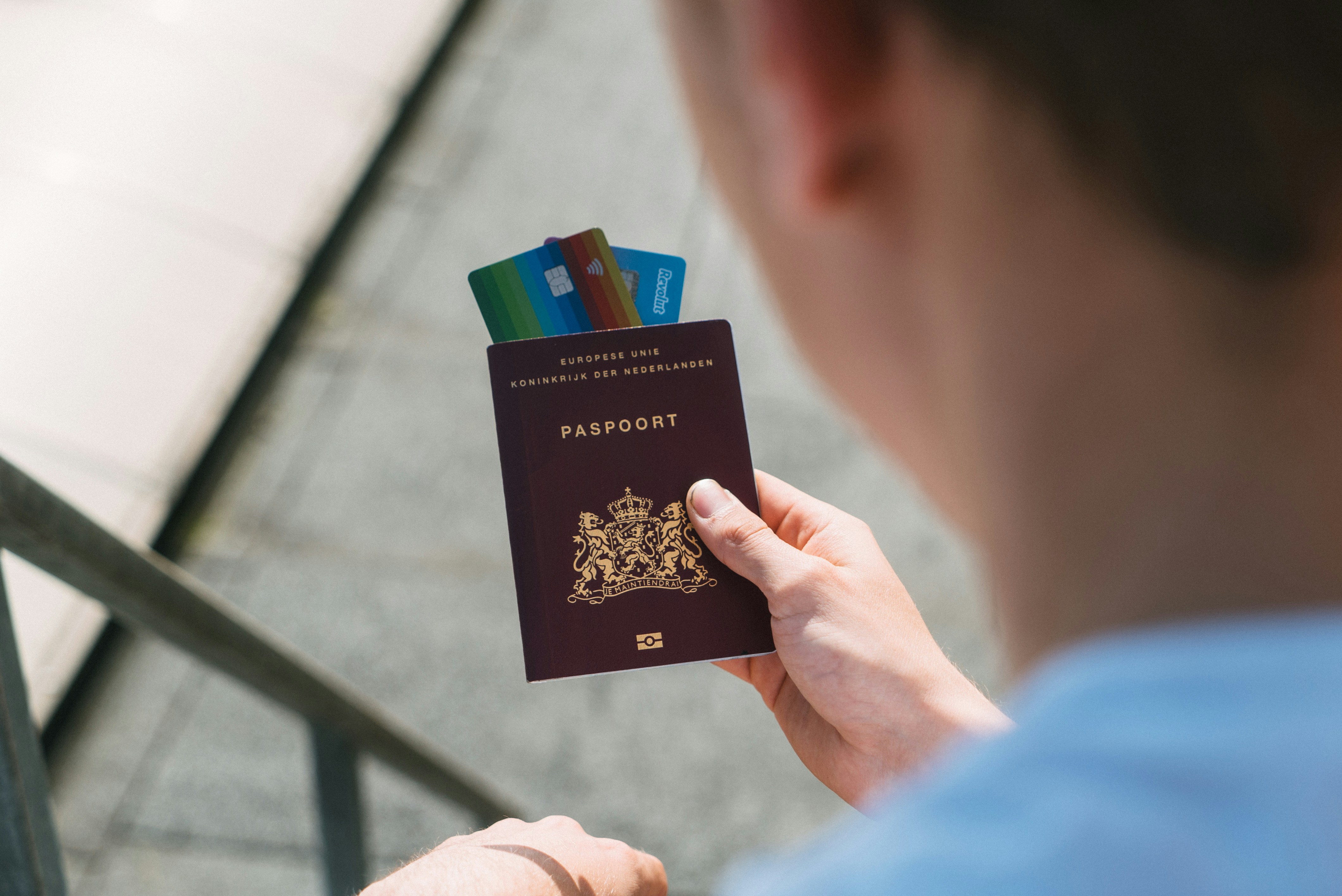
When applying for a Liechtenstein visa, it is imperative to gather the necessary documents that support your application. The primary document is a valid passport, which should remain valid for at least three months beyond your intended departure date from the Schengen area. Your passport must contain at least two blank pages for the visa sticker.
A completed application form is also essential. This form requires accurate information regarding your personal details, travel plans, and the purpose of your visit. Along with the application form, a recent passport-sized photograph that adheres to specific visa photo requirements is necessary.
Travel insurance, covering a minimum of €30,000 for medical emergencies, is another critical document. This insurance should be valid throughout your entire stay in the Schengen area, as it provides coverage for potential health issues or accidents.
Moreover, applicants must submit proof of accommodation in Liechtenstein. This may consist of hotel reservations or an invitation letter from a host residing in the country, specifying the details of your stay.
Financial statements are also required to demonstrate your ability to cover all expenses during your time in Liechtenstein. This can include bank statements for the past three months, showing sufficient funds for your stay.
Depending on your situation, additional documents may be requested, such as an employment letter, proof of ties to your home country, or a travel itinerary. It is advisable to check with the Liechtenstein embassy or consulate for specifics about your circumstances, as requirements may vary.
Common Reasons for Visa Denial and How to Avoid Them
Applying for a Liechtenstein visa can be a complex process, and understanding the common reasons for application denial is crucial for success. One prevalent reason for rejection is the submission of incomplete documentation. Visa applications require various supporting documents, including identification, proof of accommodation, and travel insurance. To avoid this pitfall, applicants should carefully review the specific requirements outlined by the Liechtenstein authorities and ensure that all necessary paperwork is complete and accurate before submission.
Another common issue that can lead to visa denial is insufficient financial proof. Applicants must demonstrate that they possess adequate funds to support themselves during their stay in Liechtenstein. Inadequate financial documentation—such as bank statements, proof of employment, or sponsorship letters—can raise red flags. It is advisable to provide clear and comprehensive financial statements that reflect stability and the ability to meet living costs while in the country.
Failure to meet specific visa requirements can also result in rejection. Each type of visa has its criteria, including the purpose of the visit, duration of stay, and compliance with local laws. Thorough research is vital to ensure that the applicant meets all requirements for the specific visa being pursued. To strengthen an application, it is beneficial to prepare a cover letter that outlines the purpose of the visit, the planned itinerary, and confirmation of accommodations.
Additionally, potential applicants are encouraged to seek advice from immigration specialists or services that provide professional guidance throughout the process. By being well-informed and proactive, applicants can significantly increase their chances of a successful visa application, thereby enabling a smooth transition into Liechtenstein.
Duration of Stay and Visa Extensions
The duration of stay permitted under various types of Liechtenstein visas can vary significantly depending on the specific visa category. For instance, short-term tourist visas typically allow for a stay of up to 90 days within a 180-day period, adhering to the Schengen Agreement. This can be beneficial for travelers looking to explore Liechtenstein or its neighboring countries. In contrast, long-term visas, such as those for work, study, or family reunification, generally permit stays that correlate with the duration of the individual’s work contract or educational program, potentially spanning several months to years.
For individuals who wish to extend their stay beyond the initial duration specified by their visa, it is essential to be well-informed of the extension process. Typically, one must apply for a visa extension at the respective local immigration authority in Liechtenstein prior to the expiry of the current visa. The application for extension should include a valid reason for the prolonged stay, such as an ongoing job assignment, educational commitments, or other legitimate circumstances.
Required documentation often includes proof of financial sustenance, health insurance coverage, and potentially a letter from an employer or educational institution confirming the ongoing engagement. It is advisable to initiate the extension process at least a month before the existing visa’s expiration to mitigate the risk of overstaying, which can lead to severe penalties. Furthermore, applications for extensions must comply with the legal framework of Liechtenstein’s immigration policies, ensuring adherence to all listed requirements.
In conclusion, understanding the allowed duration of stay and the visa extension process is crucial for anyone considering a stay in Liechtenstein. By meticulously adhering to the prescribed procedures and requirements, individuals can ensure a smooth experience while residing in this picturesque principality.
Travel Insurance and Health Requirements
When applying for a Liechtenstein visa, securing travel insurance is a critical component of the process. Most countries require proof of sufficient travel insurance as part of the visa application. This insurance should cover medical expenses, hospital stays, and potential repatriation costs in case of serious illness or injury while in Liechtenstein. It is advisable to choose a policy that covers at least €30,000 or equivalent. Additionally, the insurance should be valid across all Schengen countries, as Liechtenstein operates within the Schengen Zone.
The importance of travel insurance cannot be understated. Unexpected health emergencies can arise, and having adequate coverage can alleviate substantial financial burdens. Moreover, some healthcare facilities in Liechtenstein may not accept foreign health insurance. Therefore, having a travel insurance policy ensures that all necessary medical treatment can be accessed without additional complications.
In addition to travel insurance, it is important to be aware of the health requirements for entering Liechtenstein. Currently, there are no mandatory vaccinations specifically required to enter the country. However, it is generally recommended that visitors be up-to-date on routine vaccinations, such as measles, mumps, rubella (MMR), tetanus, and diphtheria, as well as seasonal influenza. Depending on individual travel history, vaccinations for diseases such as hepatitis A and B may also be advisable.
Travelers who are arriving from regions where certain diseases are prevalent should consult with a healthcare provider regarding specific vaccination recommendations. Ensuring good health and having comprehensive travel insurance in place before embarking on a trip to Liechtenstein can significantly enhance the travel experience and provide peace of mind throughout the journey.
Cultural Considerations and Local Customs
When visiting Liechtenstein, understanding the local culture and customs can greatly enhance your travel experience. As a small, landlocked country nestled between Switzerland and Austria, Liechtenstein boasts a unique blend of traditions and modern influences, making it a fascinating destination.
One significant aspect of Liechtenstein’s culture is its commitment to community and family. Visitors should be mindful of this value and engage with locals respectfully. In social settings, greetings often include a firm handshake and direct eye contact. Maintaining a polite demeanor is essential, and addressing individuals using their titles until invited to use their first names is considered courteous.
Liechtenstein’s official language is German, and while many locals speak English, learning essential phrases in German can demonstrate respect for the local culture. Simple greetings such as “Guten Tag” (Good day) and “Danke” (Thank you) can go a long way in establishing rapport. Additionally, being aware of the local customs surrounding dining etiquette is crucial. For instance, it is customary to wait for the host to signal when to begin eating and to keep both hands on the table during a meal.
Travelers should also appreciate local traditions, including the celebration of various festivals throughout the year. These events often showcase traditional music, dance, and cuisine, providing an excellent opportunity to immerse oneself in the local culture. Moreover, it is essential to dress modestly when visiting religious sites and cultural institutions, as this reflects respect for their significance.
Through engagement and understanding of these cultural considerations and customs, travelers can foster positive encounters with the inhabitants of Liechtenstein, enriching their overall visit to this charming principality.
Conclusion: Making the Most of Your Visit to Liechtenstein
As you embark on your journey to Liechtenstein, it is essential to reflect on the critical steps involved in securing a visa for this picturesque destination. The Liechtenstein visa process, although seemingly complex, is navigable with careful preparation and attention to detail. Understanding the requirements, gathering the necessary documentation, and submitting your application correctly are all pivotal in ensuring a smooth experience.
Throughout this guide, we have addressed the various types of visas available for visitors to Liechtenstein, as well as the common pitfalls to avoid during the application process. Recognizing the importance of adhering to timelines and ensuring that all information provided is accurate can significantly enhance your chances of obtaining approval swiftly.
Once you have successfully navigated the visa process, it is time to explore the many wonders that Liechtenstein has to offer. For a delightful experience, consider exploring the quaint capital city of Vaduz, with its stunning castle, rich culture, and exquisite local cuisine. Additionally, the breathtaking landscapes offer ample opportunities for outdoor activities such as hiking and skiing, which can certainly make your trip memorable.
To enhance your travel experience, consider planning your visit around local events or festivals, which can provide an authentic glimpse into Liechtenstein’s traditions. Engaging with locals and exploring small towns can also yield delightful surprises and broaden your understanding of this unique microstate.
Armed with the knowledge gained from this comprehensive guide, approach your application process with confidence, knowing that a charming adventure awaits you in Liechtenstein. Prepare, explore wisely, and enjoy the beautiful experiences that this enchanting destination has to offer.
Leave a Reply