

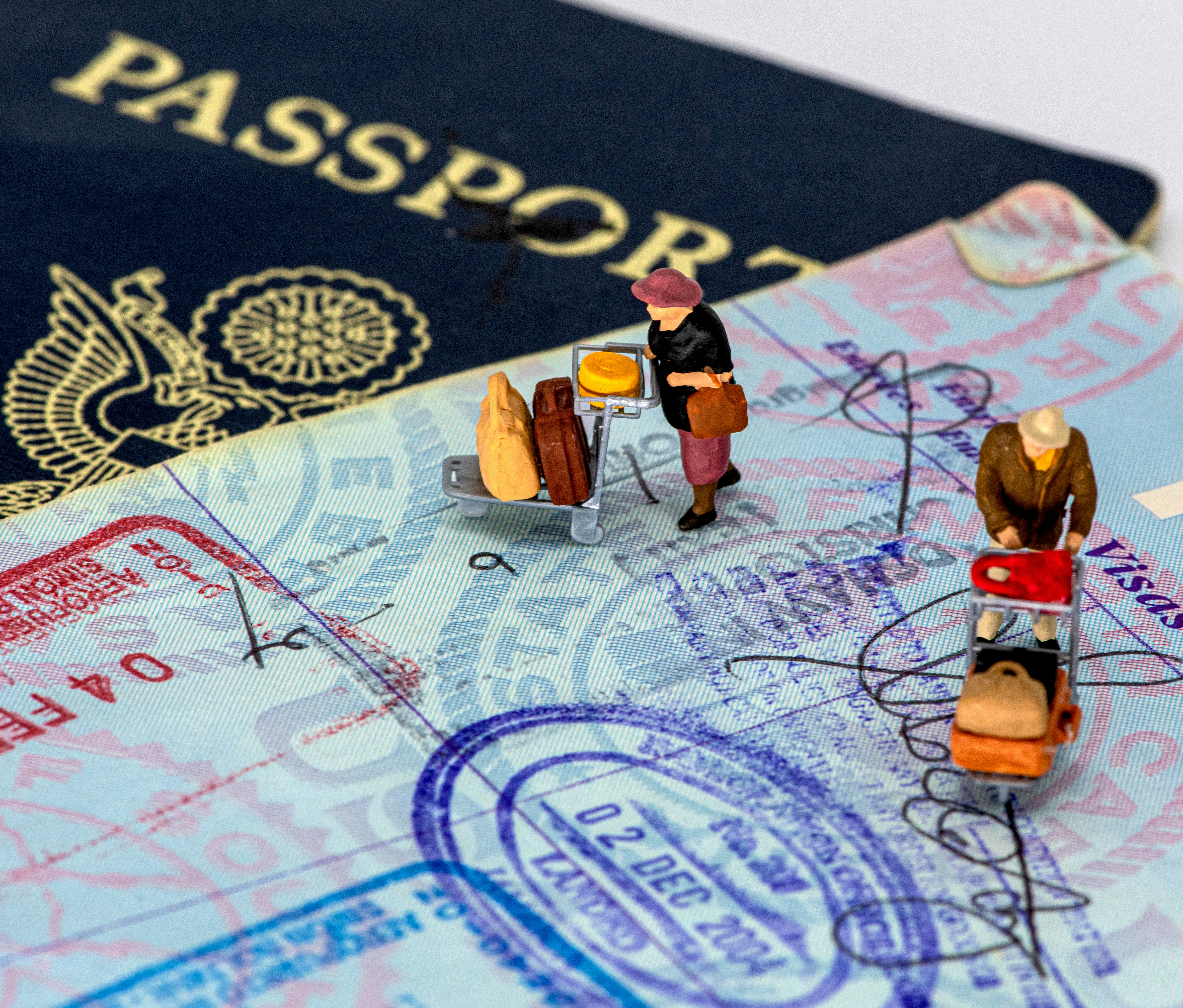
Introduction to Mali Visas
A visa is an official document issued by a country that allows a foreign national to enter, stay, and exit that country for a specified period and purpose. In the context of traveling to Mali, obtaining a visa is a pivotal requirement for most foreign visitors. The primary significance of a visa is to regulate the entry of individuals into the nation while ensuring it maintains control over the duration and purpose of each visitor’s stay. This practice is common globally, as it aids in managing immigration and bolstering national security.
For travelers intending to visit Mali, it is essential to understand that visa requirements can vary based on nationality. Generally, individuals from countries such as the United States, Canada, and the European Union must obtain a visa prior to their arrival in Mali. The process includes submitting an application form, providing necessary documentation, and paying any associated fees. For some travelers, a prior visa approval is mandated even before boarding a flight to Mali.
In Mali, there are multiple types of visas available, each catering to different purposes of travel. Tourists typically apply for a tourist visa, which allows for leisure travel, while business travelers will need a specific business visa to conduct their affairs. Other visa types, such as transit visas or student visas, are available to those meeting their respective conditions. Regardless of the type of visa applied for, it is crucial to ensure that all application guidelines are followed meticulously to avoid any delays or complications in traveling to this vibrant West African nation.
Types of Visas for Mali
When planning to travel to Mali, it is crucial to understand the various types of visas available, each designed to accommodate specific traveler requirements and intentions. The primary categories of visas include tourist visas, business visas, and transit visas, each serving distinct purposes and having unique criteria for acquisition.
The tourist visa is the most commonly sought visa type, intended for individuals traveling to Mali for leisure, sightseeing, or visiting friends and family. Generally, this visa allows travelers to engage in activities that contribute to the local tourism sector, such as exploring historical sites, participating in cultural events, and enjoying Mali’s natural beauty. Tourists should be aware that this visa typically has a validity of up to 90 days, depending on the regulations applicable at the time of application.
Another significant category is the business visa, designed for those who need to conduct official affairs within Mali. This may encompass attending meetings, exploring investment opportunities, or engaging in short-term employment projects. Here, applicants must provide documentation from a recognized business entity in Mali, demonstrating the purpose of their visit. It is important for business travelers to apply for this visa in advance, as processing times can vary.
Lastly, the transit visa is applicable for travelers who are passing through Mali to reach another destination. Typically, this visa is minimal in duration, aimed at facilitating quick and efficient travel through the country, often associated with layovers at Airport. Users of a transit visa should verify that they have a confirmed onward ticket and any necessary documents for their next destination, as this will ensure a smooth travel experience.
Visa Requirements for Mali
When planning a visit to Mali, it is essential to understand the general visa requirements necessary for entering the country. The primary document required is a valid passport, which should have a minimum validity of six months beyond the intended date of departure from Mali. It should also have at least one blank page for visa endorsement.
In addition to a valid passport, applicants are required to submit recent passport-sized photographs. These photos must meet specific guidelines, including being in color, taken against a white background, and measuring 4.5 cm x 3.5 cm. Ensure that the facial expression is neutral and that the photos are not older than six months.
Depending on the type of visa being applied for—be it for tourism, business, or family visits—there may be additional documents required. For instance, a tourist visa typically necessitates proof of accommodation and a travel itinerary, while a business visa may require an invitation letter from the host company in Mali. Furthermore, certain nationalities may need additional documentation such as a health insurance certificate or proof of sufficient funds to cover the duration of their stay in Mali.
It is advised that applicants confirm their specific requirements with an official source, such as the nearest Mali embassy or consulate, as variations in requirements can occur based on the applicant’s nationality and recent changes to visa policies. Preparing all these documents in advance can streamline the application process and help avoid potential delays in obtaining your visa.
How to Apply for a Mali Visa
Applying for a visa to Mali involves several key steps that facilitate a smooth experience, whether you choose to do it online or in person at an embassy or consulate. The first step in the process is to determine your specific visa type, as Mali offers various visa categories including tourist, business, and transit visas. Each type has unique requirements and conditions that must be met.
To begin the application process for a Mali visa, applicants should first gather all necessary documentation. Essential documents typically include a valid passport with at least six months of validity remaining, passport-sized photographs, proof of accommodation in Mali, and sufficient financial resources for the duration of your stay. Depending on the visa type, additional documents may also be required, such as an invitation letter for business trips.
Applications can be submitted either in person at the nearest Mali embassy or consulate or through an online platform if available. Many embassies now offer an online visa application system, which simplifies the process by allowing applicants to fill out forms and submit required documents electronically. If you choose the online option, be sure to follow the instructions carefully and ensure that all information is accurate before submission.
Once your application is submitted, processing times can vary, so it is advisable to apply well in advance of your planned travel. Fees associated with visa applications can also differ based on the visa type, processing speed, and the applicant’s nationality. Make sure to confirm the total cost at the time of application, as payment procedures can vary by location.
Ultimately, understanding and following the specific requirements for a Mali visa will greatly enhance your chances of a successful application. It is recommended to check the official website of the Mali embassy or consulate for any updates or changes in procedures before submission.
Processing Time for Mali Visa Applications
The processing time for Mali visa applications varies significantly depending on the type of visa being sought. Generally, there are two primary categories of visas for Mali: tourist visas and business visas. Understanding the average processing times for each can help applicants plan their travel accordingly.
For a tourist visa, the average processing time is typically around 5 to 10 business days, depending on the consulate or embassy where the application is submitted. This timeframe assumes that all required documentation has been correctly submitted and there are no issues during the review process. It is essential for applicants to allow adequate time for potential delays, which may arise due to a high volume of applications or public holidays.
In contrast, business visas often have longer processing times, averaging 10 to 15 business days. The extended timeframe can be attributed to the need for additional documentation and verification processes associated with business activities, such as invitations from Malian companies or approvals from relevant authorities in Mali.
Several factors can influence the processing duration for both types of visas. For instance, the specific consulate’s operational efficiency, the applicant’s nationality, and whether a travel advisory is in effect may all impact processing times. Additionally, discrepancies or missing information in the submitted application can lead to further delays. Thus, it is crucial for applicants to carefully review their applications before submission to minimize the risk of unnecessary holdups.
In conclusion, while the average processing times for Mali visas vary between tourist and business categories, it is advisable for applicants to plan well in advance and factor in potential delays to ensure a smooth travel experience.
Visa Extension in Mali
Extending a visa in Mali can be a crucial need for travelers who wish to prolong their stay beyond the originally allotted time. Various factors may compel an individual to seek a visa extension, including unforeseen circumstances such as medical issues, travel delays, or personal matters that require additional time in the country. Understanding the eligibility requirements and the procedures to follow is essential for a successful application.
Eligibility for a visa extension typically depends on the type of visa initially issued. Tourists, business travelers, and expatriates might all have different stipulations governing their ability to extend their stay. Generally, individuals on tourist visas can apply for an extension if they can provide valid reasons along with the necessary documentation to support their claim. It is advisable to apply for an extension at least a couple of weeks before the original visa expires to avoid any legal complications.
The application process for extending a visa in Mali involves several steps. Firstly, the applicant must gather specific documentation, which usually includes a completed visa extension application form, proof of financial stability (such as bank statements or sponsorship letters), evidence of the reason for the extension (like medical reports or itineraries), and a valid passport. Additionally, applicants may need to provide passport-sized photographs and pay the applicable fee. Once all necessary documents are compiled, they must be submitted to the relevant authorities, such as the Directorate General of Police or the Ministry of Security and Civil Protection, depending on the visa type.
After submission, the authorities will review the application and may request further information or documentation. If approved, the extension will be granted for a specified period, allowing travelers to remain in Mali legally. Failing to adhere to visa regulations can lead to penalties, making it imperative for travelers to understand and follow the extension process correctly.
Common Mistakes to Avoid When Applying for a Mali Visa
Applying for a Mali visa can be a straightforward process if travelers familiarize themselves with the requirements and procedures upfront. However, several common mistakes can lead to delays, rejections, or additional complications during the application process. To ensure a smooth experience, it is essential to be aware of these pitfalls and take proactive steps to avoid them.
One of the prevalent errors is incomplete documentation. Many applicants fail to provide all the necessary paperwork, which can include a valid passport, recent photographs, proof of accommodation, and sufficient funds for the duration of their stay. It is crucial to double-check the required documents and ensure that all copies are legible and properly formatted. Missing even a single document can result in delays or denials.
Another common mistake is to overlook visa validity periods. Travelers should be aware of the intended length of their stay in Mali and apply for the appropriate visa type accordingly. Applying for a visa that does not match the travel dates may lead to complications at immigration checkpoints upon arrival.
Additionally, some applicants mistakenly assume that the visa application can be completed hastily. It is advisable to allow ample time for processing, which can vary depending on the applicant’s nationality and the specifics of the visa requested. Submitting an application close to the intended travel date can result in stress and a potential denial of the visa.
Lastly, failing to verify the updates regarding visa policies can be detrimental. Visa requirements may change, and it is prudent to check the latest information through official government or consulate websites. By being mindful of these common mistakes, travelers can improve their chances of a successful visa application, ensuring a more enjoyable trip to Mali.
Health and Safety Considerations
Traveling to Mali requires consideration of several health and safety guidelines crucial for ensuring a safe experience. Before applying for a visa, travelers must be aware of the necessary vaccinations recommended for entry into the country. The World Health Organization advises vaccinations against routine diseases, including Hepatitis A, Typhoid, and Yellow Fever, particularly if travelers are coming from countries where yellow fever is endemic. Confirmation of vaccination may be required upon arrival, making it vital to maintain up-to-date vaccination records.
In addition to vaccinations, health insurance plays an essential role in travel safety. It is advisable to obtain comprehensive travel insurance that covers medical care, repatriation, and evacuation services in case of emergencies. Health facilities in Mali, particularly outside of major cities, may be limited, so having a reliable insurance plan can provide peace of mind during your visit.
Safety precautions are also a requisite aspect of health considerations. Travelers should remain informed about the current political climate and local regulations, as some regions may be more prone to unrest or violence. Following local advisories and staying in touch with local embassies can be beneficial. It is also wise to take general safety measures, such as avoiding travel at night, safeguarding personal belongings, and staying within well-populated areas.
The use of preventive medications for diseases such as malaria is also recommended, particularly if travelers plan to visit rural areas. Consulting with a healthcare provider experienced in travel medicine prior to departure can help travelers adequately prepare for their journey. Overall, thorough preparation in terms of health and safety is crucial for all those seeking a Mali visa and intending to explore this diverse and fascinating country.
Conclusion and Additional Resources
Understanding the various types of Mali visas and their application processes is essential for any traveler planning to visit this vibrant West African nation. Throughout this guide, we have outlined the primary visa categories, including tourist, business, and transit visas, along with the necessary requirements for each application. It is crucial to gather all required documents, be aware of the visa fees, and understand the processing times to ensure a smooth entry into Mali.
Furthermore, we have emphasized the importance of applying for a visa well in advance of your travel date to avoid any last-minute complications. Travelers are encouraged to consult the nearest Malian embassy or consulate for the most up-to-date information regarding visa regulations, as policies can change. Additionally, it is prudent to investigate travel advisories and health recommendations prior to departure.
For further information, several resources are available to assist travelers. The official website of the Malian government offers comprehensive details on visas and entry requirements. Websites of international travel organizations can also provide updates on entry restrictions and travel tips, including recommendations for safe travel in Mali. It is advisable to check these resources to ensure a well-informed journey.
In conclusion, careful preparation and awareness of the visa process are key to a successful visit to Mali. By consulting reliable sources, travelers can enhance their experience in this culturally rich destination.
Leave a Reply