

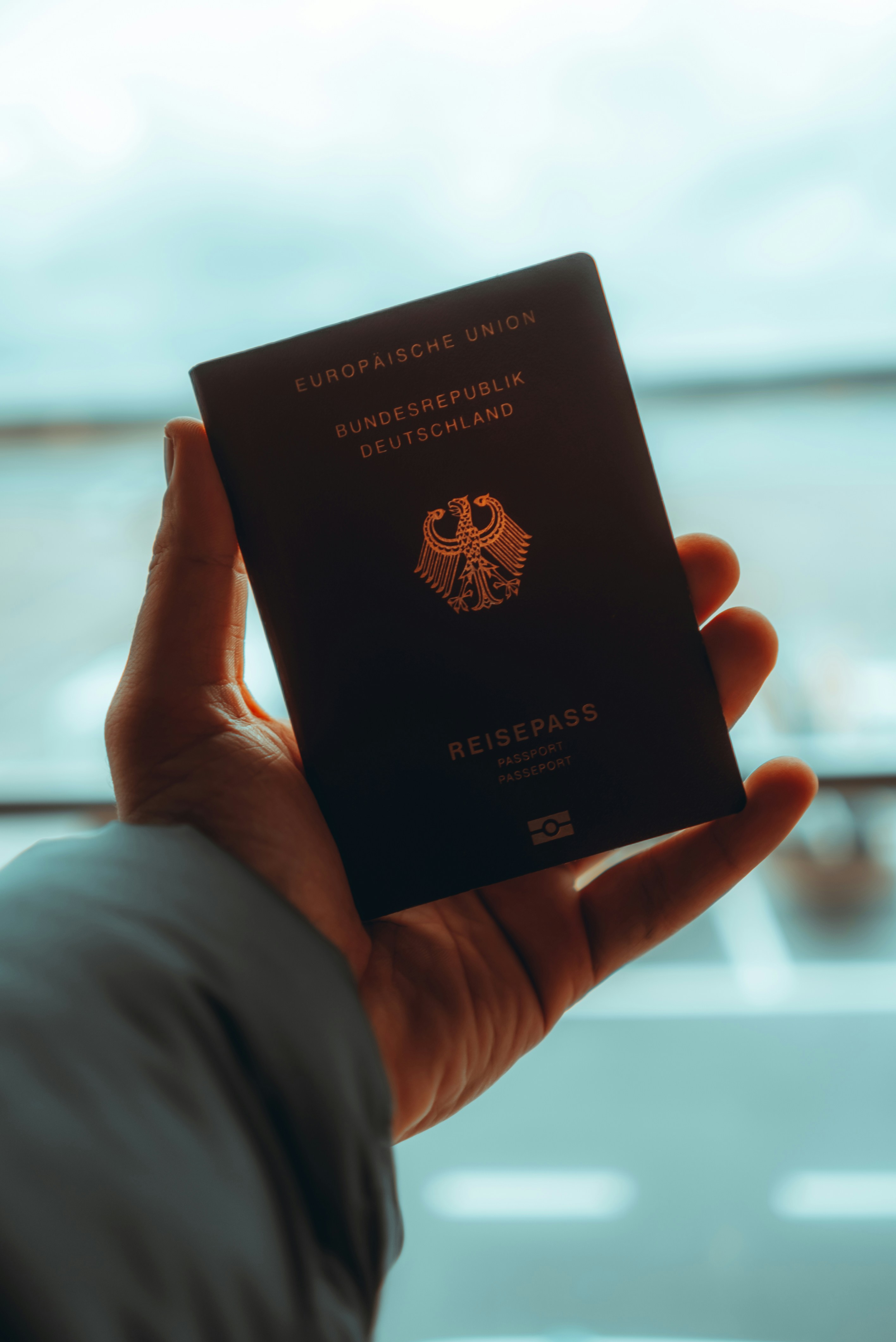
Introduction to the Schengen Visa
The Schengen visa is a significant document that allows travelers to move freely within the Schengen Area, a zone consisting of 27 European countries that have abolished passport control at their mutual borders. Established to facilitate easy movement across Europe, the Schengen visa serves various purposes, including tourism, business, and family visitations, and it simplifies travel logistics for numerous individuals.
The Schengen Agreement, initially signed in 1985, has expanded over the years and aims to promote cooperation among its member states. The countries currently involved in the Schengen Area include Austria, Belgium, Czech Republic, Denmark, Estonia, Finland, France, Germany, Greece, Hungary, Iceland, Italy, Latvia, Lithuania, Luxembourg, Malta, Netherlands, Norway, Poland, Portugal, Slovakia, Slovenia, Spain, Sweden, Switzerland, and non-EU members that benefit from this agreement. With such a diverse range of nations, holding a Schengen visa symbolizes access to a multitude of cultures, landscapes, and experiences.
One of the primary benefits of obtaining a Schengen visa is the convenience it provides. Instead of applying for separate visas for each country, travelers need to secure just one visa that allows entry into any of the member countries. This single-entry document not only saves time and effort but also reduces the costs associated with multiple applications. Moreover, the Schengen visa can serve as a vital tool for fostering tourism and business, enhancing overall economic ties between nations.
In summary, the Schengen visa is more than just an entry permit; it embodies the spirit of unity and cooperation in Europe, facilitating travel while promoting cultural exchange and economic collaboration among countries within the Schengen zone.
General Eligibility Criteria
The Schengen visa is a travel document that enables individuals to enter, stay, and move freely within the Schengen Area, comprising 27 European countries. Understanding the general eligibility criteria is essential for prospective applicants to determine their ability to apply for this visa effectively.
Firstly, nationality plays a significant role in determining eligibility for a Schengen visa. Citizens of countries that remain outside the Schengen Area generally require a visa to enter. It is crucial for applicants to verify their nationality’s status against the list of visa-required countries established by Schengen member states.
Additionally, the purpose of travel is vital in the eligibility assessment. The Schengen visa caters to various categories including tourism, business, visiting family or friends, transit, and study. It is imperative to specify the intended reason for the visit at the time of application as this will dictate the specific type of visa one needs to apply for. Each category may have its distinct requirements and supporting documentation.
Moreover, potential applicants must prepare to provide specific documentation to support their application. The basic requirements typically include a completed visa application form, a valid passport, photographs, proof of accommodation, travel insurance, and evidence of sufficient financial means to cover one’s stay. Submission of all necessary documents is mandatory in order to achieve a successful visa application.
In summary, understanding the general eligibility criteria for applying for a Schengen visa involves acknowledging the relevance of nationality, the purpose of travel, and the required documentation. By adhering to these guidelines, applicants can significantly enhance their chances of obtaining the visa and facilitate smooth travel within the Schengen Area.
Types of Schengen Visas
The Schengen Area consists of 27 European countries that have abolished passport control at their mutual borders, facilitating free movement for travelers. To enter this zone, individuals may need to apply for a Schengen visa, which can be categorized into several types based on the purpose of the visit. Understanding these visa types is essential for prospective travelers to identify which visa aligns best with their travel intentions.
One of the most common types of Schengen visas is the tourist visa, which is intended for individuals visiting the Schengen Area for leisure purposes. Applicants typically need to provide proof of accommodation, travel itinerary, and sufficient financial means for their stay. The tourist visa allows for a stay of up to 90 days within a 180-day period.
For business-related travel, the business visa serves professionals attending meetings or conferences. The eligibility criteria often require documentation such as an invitation letter from a company in the Schengen country and proof of ties to the applicant’s home country, ensuring their intent to return after the business activity is concluded.
Students seeking to pursue education in a Schengen country must apply for a student visa. This type of visa necessitates an acceptance letter from an educational institution, proof of financial resources for tuition and living expenses, and health insurance coverage for the duration of the study.
Family reunification visas allow individuals to join family members who are citizens or permanent residents in the Schengen Area. Eligibility criteria for this visa vary depending on the applicant’s relationship to the family member residing in the Schengen country. Generally, sufficient financial means and accommodation arrangements must be demonstrated.
Understanding these types of Schengen visas, along with their specific eligibility requirements and application processes, is crucial for ensuring a smooth and successful application experience. Each visa type serves distinct purposes, highlighting the importance of selecting the one that corresponds to the applicant’s particular circumstances.
Financial Requirements for Applicants
Obtaining a Schengen visa necessitates not only valid travel documentation but also proof of sufficient financial resources. This requirement ensures that applicants can support themselves during their stay and return to their home country without relying on public funds. The specific financial criteria can vary based on the type of Schengen visa one is applying for, such as a tourist, business, or student visa.
Typically, applicants must demonstrate their financial capability through various means. First and foremost, bank statements are often required, showing an adequate balance for the duration of the intended stay. Most consulates suggest a minimum daily budget, which can range from €50 to €100, depending on the country of entry and individual circumstances. For instance, countries with a higher cost of living may impose stricter financial guarantees.
In addition to bank statements, applicants may also present other forms of proof of income, including pay slips, income tax returns, or sponsorship letters if applicable. If a third party sponsors the trip, they should provide documentation that demonstrates their financial stability, such as recent bank statements and proof of employment. Furthermore, the sponsor must ensure that their commitment is legally recognized.
It is important to note that financial requirements can differ for short-stay visas compared to long-stay visas, such as student visas or work visas. For instance, students may be required to showcase proof of tuition fees being paid and a monthly budget to cover living expenses. It is advisable for applicants to thoroughly check the specific requirements of the consulate they are applying to, as each may have distinct guidelines related to financial sufficiency.
Travel Insurance Requirements
When applying for a Schengen visa, one of the critical prerequisites that applicants must fulfill is obtaining adequate travel insurance. Travel insurance is essential, as it protects individuals against unforeseen medical emergencies, accidents, or other incidents that may occur while traveling within the Schengen Area. The specific requirements for travel insurance can vary slightly among Schengen countries; however, there are common standards that all applicants must adhere to.
The mandatory coverage amount for travel insurance is a minimum of €30,000 (approximately $50,000) for medical expenses. This amount is crucial as it ensures that travelers can receive necessary medical care without financial hindrance. Furthermore, the coverage must also extend to repatriation for medical reasons, as well as cover the costs associated with urgent medical assistance and hospitalization.
The duration of the travel insurance policy must align precisely with the length of the planned stay within Schengen countries. It is essential to note that some Schengen member states may also require that the insurance starts from the date of entry into the Schengen Zone and lasts until the applicant’s exit. Therefore, it is advisable to secure a policy that encompasses the entire duration of travel.
Additionally, the travel insurance must explicitly state that it is valid within all Schengen member states. This will ensure that travelers meet the eligibility criteria set by the Schengen Agreement. It’s also important to keep documentation handy, as consulates often require proof of insurance coverage during the visa application process.
In conclusion, obtaining appropriate travel insurance is not only a visa requirement but also a vital safety measure for travelers. Ensuring that the coverage meets the necessary criteria will facilitate a smoother visa application process and a safer travel experience.
Documentation Requirements for Schengen Visa Applications
When applying for a Schengen visa, understanding the necessary documentation is crucial to ensure a smooth application process. Each document serves a specific purpose in verifying the applicant’s identity and intentions during their stay. The primary requirement is a valid passport, which must be issued within the last ten years and be valid for at least three months beyond the intended departure date from the Schengen Area. Additionally, it should contain at least two blank pages for visa stamps.
Next, applicants need to provide recent passport-sized photographs that meet the Schengen visa photo requirements. These images are crucial for identifying the individual and should adhere to specific dimensions and background standards.
Proof of accommodation is another essential document. This can include hotel bookings, a rental agreement, or an invitation letter from a host residing in the Schengen Area. This documentation convinces visa authorities of the applicant’s plans and the intended duration of stay.
Furthermore, a detailed itinerary indicating planned travel routes and activities during the stay may be required. This itinerary should outline entry and exit points, internal travel plans, and relevant booking confirmations, such as flight tickets.
Applicants must also demonstrate financial stability to cover their stay. Bank statements, sponsorship letters, or proof of employment showing regular income can fulfill this requirement. Additionally, it is recommended to obtain travel insurance that covers medical emergencies. The insurance policy should have a minimum coverage of €30,000, valid for the entire duration of the stay.
Finally, additional documents may be requested based on individual circumstances, such as proof of ties to the home country, which can include employment contracts or property deeds. Preparing all necessary documentation thoroughly can significantly enhance the chances of a successful Schengen visa application.
Who May Be Exempt from Applying for a Schengen Visa
Obtaining a Schengen Visa is an important step for travelers wishing to enter the Schengen Area; however, certain individuals may be exempt from this requirement. Primarily, citizens from countries that have established visa-free travel agreements with the Schengen member states are eligible for such exemptions. Nationals of these countries can enter the Schengen Area for short stays, typically up to 90 days within a 180-day period, without the need for a visa.
Countries that fall under this category include key players such as the United States, Canada, Australia, New Zealand, and several nations in Latin America. Additionally, certain Asian countries like Japan and South Korea also enjoy visa-free travel privileges. It is essential for travelers to verify their specific eligibility, as the stipulations may vary depending on the Schengen member state they aim to visit.
Another group exempt from needing a Schengen Visa includes individuals holding valid residence permits from Schengen countries. If an individual possesses a residence permit from a Schengen Area nation, they can travel freely across other Schengen states for up to 90 days. However, it is critical to be aware that the residence permit should be still valid and that additional documentation might be required upon entry.
Furthermore, diplomatic passport holders and certain international organization officials may also qualify for exemptions from the Schengen Visa based on their official duties. Nonetheless, it’s advisable for all travelers, irrespective of their exemptions, to remain informed about the entry conditions of their desired destination within the Schengen Area to ensure compliance with legal entry requirements.
Special Circumstances and Exceptions
When applying for a Schengen visa, various special circumstances can influence an individual’s eligibility and the application process. Key factors that may affect eligibility include criminal records, previous visa denials, and specific medical conditions. Each of these situations requires careful consideration and may alter the standard processing approach.
Individuals with a criminal record seeking a Schengen visa should understand that the nature and severity of the offense will be scrutinized. Minor offenses may be disregarded, particularly if they occurred many years prior, while serious offenses could result in application denial. It is essential for applicants in this circumstance to provide comprehensive documentation regarding their criminal history and any rehabilitation efforts undertaken since.
Furthermore, previous visa denials can significantly impact current applications. If an individual has been previously denied a Schengen visa, it is imperative to understand the reasons behind the previous rejection. Common reasons include concerns regarding the individual’s intentions or inability to fulfill visa requirements such as financial stability or travel plans. Addressing these issues clearly in the new application can enhance the chances of a favorable outcome.
Medical conditions can also play a role in the application process, especially if they require special attention or travel accommodations. Applicants with health-related issues may need to present additional documentation explaining their condition and detailing the required support during their travels. Such transparency can help visa officials make informed decisions regarding the individual’s eligibility for a Schengen visa.
In conclusion, understanding these special circumstances and administering a well-prepared application can greatly influence eligibility for a Schengen visa. It is vital to approach the application process with clarity and completeness, addressing any unique situations that may arise.
Conclusion and Final Thoughts
Understanding the eligibility requirements for a Schengen visa is crucial for anyone planning to travel within the Schengen Area. Throughout this discussion, we have outlined the key criteria that applicants must meet, including the necessity of having a valid passport, proof of financial means, travel insurance, and the purpose of the visit. Each of these elements plays a significant role in ensuring that visa applications are processed smoothly and efficiently.
It is essential for prospective travelers to not only familiarize themselves with these requirements but also to assess their individual situations in relation to the criteria outlined. For instance, it is vital to evaluate your travel intentions, ensure that your documentation is complete, and understand the implications of your travel history. Addressing these factors beforehand can help mitigate potential issues during the application process.
Furthermore, applicants should consider seeking professional guidance or consulting the official consular websites for the most accurate and up-to-date information regarding Schengen visa applications. Preparing thoroughly before applying cannot be overstated, as it significantly enhances the likelihood of a successful outcome.
Finally, whether your journey is for tourism, business, or visiting family, understanding the nuances of the Schengen visa eligibility criteria will empower you to navigate the application process with confidence. By taking the time to prepare adequately and ensuring compliance with the requirements, you will be better positioned to enjoy your travels within the Schengen Area.

Leave a Reply