

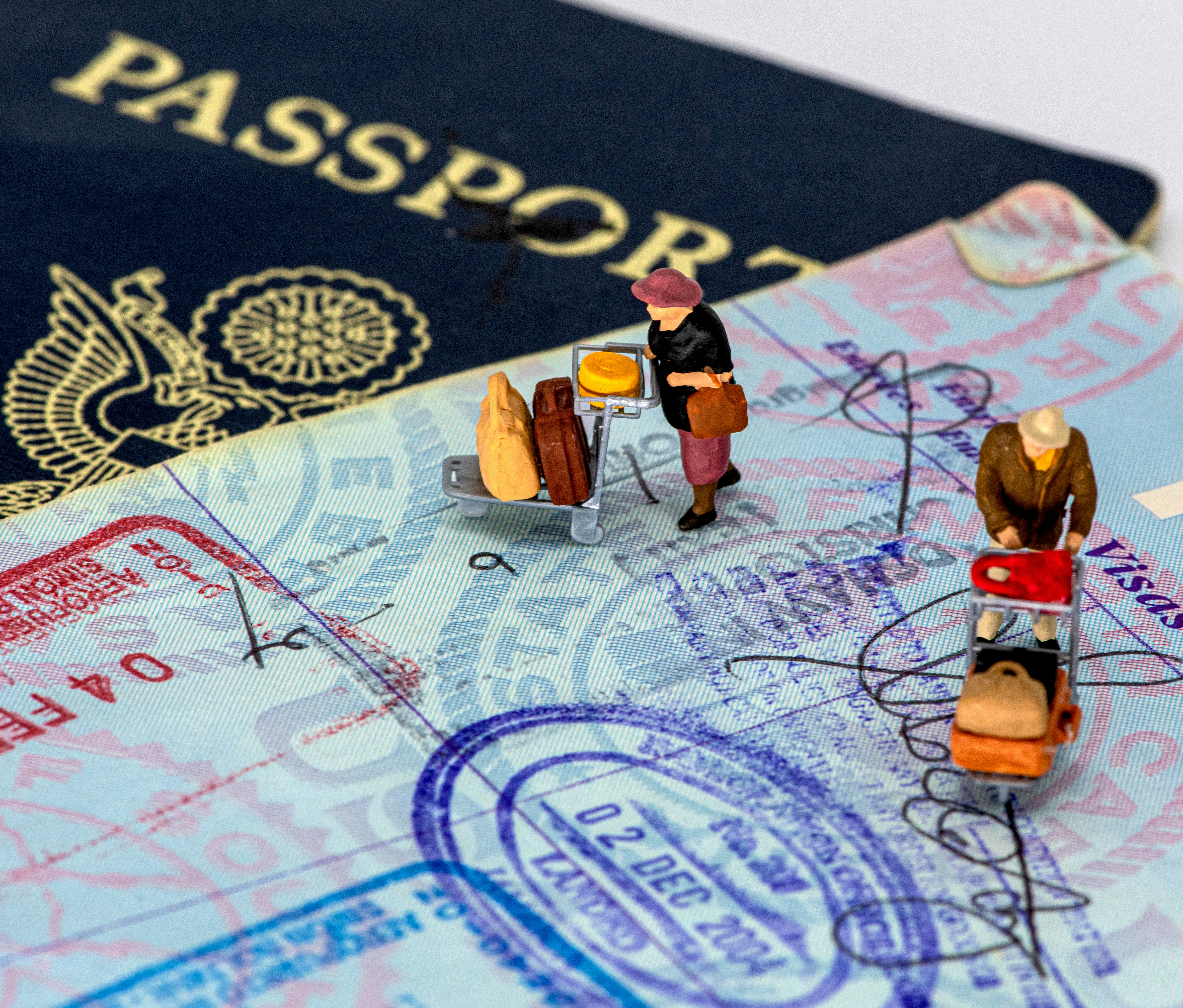
Introduction to Kosovo and Its Visa Policies
Kosovo, located in the Balkan Peninsula in Southeast Europe, is a nation recognized for its diverse cultural heritage and historical significance. Despite declaring independence from Serbia in 2008, Kosovo’s status remains a topic of international debate, with over 100 countries acknowledging it as a sovereign state. The country is characterized by its picturesque landscapes, rich traditions, and a blend of various cultures that reflect its complex history. Visitors to Kosovo can expect to enjoy unique experiences influenced by Albanian, Serbian, and Ottoman traditions.
Understanding Kosovo’s visa policies is essential for travelers planning to explore this fascinating country. The requirements can vary significantly based on nationality, which makes it crucial for visitors to verify their specific situation prior to travel. As of the current regulations, citizens of numerous countries can enter Kosovo without a visa for short stays, while others are required to secure a visa beforehand. The visa policies are designed to facilitate tourism and promote cultural exchange while ensuring that appropriate security measures are maintained.
Tourists are encouraged to review the visa requirements specific to their nationality to avoid any complications upon arrival. The application process for a Kosovo visa generally involves submitting a variety of documents, including passport photos, valid travel documents, and proof of accommodation. By familiarizing themselves with these requirements, travelers can ensure a smoother entry into Kosovo and enjoy all that this remarkable destination has to offer.
Who Needs a Visa to Enter Kosovo?
Travelers who wish to visit Kosovo must be aware of the visa requirements outlined by the government. The Kosovo visa policy classifies visitors into two categories: those who need a visa and those who are visa-exempt. Citizens from numerous countries can enter Kosovo without a visa for short stays, typically up to 90 days within a 180-day period. These countries include, but are not limited to, Albania, United States, Canada, most EU member states, and several others in the Schengen area.
However, not all nationalities enjoy this freedom. Individuals from countries such as India, China, and certain African nations are required to obtain a visa prior to their arrival in Kosovo. The exact requirements can vary depending on the individual’s nationality and the purpose of their visit, whether it be tourism, business, or study. Additionally, some travelers from visa-exempt countries might still encounter specific conditions that compel them to secure a visa, such as an expired passport or criminal record, which could pose obstacles to entry.
Moreover, travelers intending to remain in Kosovo for longer durations, or those planning to engage in work or study, must seek appropriate visa categories irrespective of their nationality’s standard requirements. It is advisable for all prospective visitors to consult the nearest diplomatic mission of Kosovo or an updated government website to get the most accurate information relevant to their specific situation. This ensures compliance with local laws and avoids any potential issues upon arrival. By familiarizing oneself with these entry stipulations, travelers can ensure a smoother journey to Kosovo.
Types of Visas Available for Kosovo
Travelers seeking to visit Kosovo will find a variety of visas tailored to different purposes of entry. Understanding the classifications and requirements for each type can facilitate a smoother entry process.
Firstly, the standard tourist visa is designed for individuals looking to explore Kosovo for leisure. Typically, this visa permits stays of up to 90 days within a 180-day period. Applicants must demonstrate their intention to return to their home country, often through travel itineraries or proof of accommodation.
Another prominent category is the work visa, which is essential for those seeking employment within Kosovo. This visa is generally granted to foreign nationals who have secured job offers from local employers. Candidates must provide documentation evidencing their employment status, along with adherence to local labor laws.
Student visas cater to international students aspiring to pursue education in Kosovo. To acquire this visa, applicants must be accepted into an accredited educational institution. It allows students to reside in Kosovo for the duration of their academic program, forming an essential aspect of their academic journey.
Additionally, Kosovo offers other relevant visas, such as family reunification visas, which permit immigrants to bring family members to join them. At the same time, business visas are available for entrepreneurs and investors looking to engage in business activities in the region. Each visa type has distinct eligibility criteria and application procedures, underscoring the importance of detailed preparation before applying.
In conclusion, knowing the different types of visas available for Kosovo is crucial for both tourists and those seeking to work or study in the country. Understanding the specific requirements associated with each category ensures compliance with immigration regulations and eases entry into Kosovo.
How to Apply for a Kosovo Visa?
Applying for a Kosovo visa involves a systematic approach to ensure that all necessary documents are prepared and the application process is completed in a timely manner. Here is a step-by-step guide to help you navigate through the process.
First, identify the type of visa you require based on your purpose of travel, which could range from tourism and business to studies or family visits. Each category may have different requirements. Once you have determined the appropriate visa type, you should gather the required documents. Commonly required documents include a completed visa application form, a valid passport with at least six months of validity beyond the planned stay, passport-sized photographs, proof of accommodation, and travel itinerary.
Next, you may need to demonstrate your financial stability, which can typically be shown through bank statements or pay slips. Depending on the visa type, additional documents may be required, such as an invitation letter for business or family visits, or a letter of admission for student visas.
After gathering all necessary documents, you will need to pay the visa application fee, which varies according to the visa type and your nationality. It is advisable to check the official Kosovo diplomatic mission website for the exact fee and acceptable payment methods.
Submit your application either through the appropriate embassy or consulate in your country or via an online portal if available. Be prepared for potential interviews; the visa authorities may request an interview to clarify any details of your application.
Typically, the visa processing time can take anywhere from a few days to several weeks, depending on the application volume and specific circumstances. Therefore, it is recommended to apply well in advance of your intended travel dates to avoid any unnecessary delays.
Required Documents for Kosovo Visa Application
When applying for a visa to Kosovo, it is crucial to prepare a set of required documents to ensure a smooth application process. The documentation may vary depending on the type of visa being applied for, such as tourist, business, or student visa; however, certain papers are generally mandatory for all applicants.
First and foremost, a valid passport is essential. The passport must be valid for at least six months beyond your planned date of departure from Kosovo. Additionally, it should contain at least two blank pages for visa stickers and stamps. Alongside the passport, applicants are required to provide recent passport-sized photographs that meet specific requirements, such as size and background color.
Another critical document is proof of accommodation. This could be a hotel booking confirmation, an invitation letter from a host in Kosovo, or any relevant proof of your stay during the visit. Likewise, an itinerary detailing your travel plans, along with the dates of entry and exit, is also required to confirm your intentions while in the country. For those visiting for business reasons, an invitation letter from a company in Kosovo may also be necessary.
Financial proof is a vital part of the application process, as consular officials need assurance of your financial capacity to support your stay. Applicants may need to present recent bank statements indicating sufficient funds. Depending on the visa type, additional documentation may be necessary, such as proof of employment or enrollment in educational institutions. Be sure to review the requirements that correspond to your visa type, as they can vary significantly.
Visa Fees and Payment Methods
When applying for a Kosovo visa, applicants must be aware of the associated fees, which can vary significantly based on the type of visa being requested as well as the applicant’s nationality. Generally, the fees can range from €30 to €100 for standard visas, with variations applicable to different categories such as short-stay, long-stay, and transit visas. Furthermore, certain nationalities may be subject to additional charges or exemptions, making it essential for prospective travelers to consult the latest information from the Kosovo embassy or consulate responsible for their application.
For example, short-stay visas typically attract a lower fee, while long-stay visas or national visas for work, study, or family reunification can incur higher charges. It is also important to note that additional processing fees may apply if expedited services are requested. Moreover, applicants should confirm whether any local or administrative taxes may be levied in conjunction with the visa fee during the submission process.
As for payment methods, Kosovo typically accepts several options. Most embassies and consulates allow applicants to pay by credit or debit card, while cash payments may be accepted in specific locations. Although some Kosovo consulates are in the process of adopting online payment systems, this service is not universally available yet, so applicants are encouraged to verify the payment options directly with their respective embassy or consulate. Other additional fees, such as service charges for document processing or legalizations, may also be incurred, depending on the applicant’s individual circumstances.
Processing Time and What to Expect
When applying for a Kosovo visa, understanding the processing time is crucial for planning your travel effectively. Generally, the processing time for a Kosovo visa application can vary based on several factors, including the type of visa being requested, the specific embassy or consulate where the application is submitted, and the completeness of the application itself. On average, applicants can expect the processing to take anywhere from 7 to 15 working days.
However, it is important to consider that delays may occur due to various reasons. These can include high application volumes, particularly during peak travel seasons, or additional documentation requirements that may necessitate more time for review. To mitigate the risk of unforeseen delays, it is advisable for travelers to submit their applications well in advance of their planned travel dates, ideally at least 4 to 6 weeks before departure. This allows ample time for processing and any potential challenges that might arise.
During the processing period, applicants can expect to be contacted if additional information or supporting documents are necessary. This may involve providing further proof of accommodation, financial means, or travel itineraries to support the visa application. It is essential to ensure that all documents submitted are accurate and complete, as missing or incorrect information can lead to further delays or even visa denial.
In conclusion, timely submission of the visa application can significantly reduce stress associated with travel planning. By adhering to the recommended guidelines and being prepared for possible delays, applicants can navigate the Kosovo visa application process more smoothly and effectively.
Travel Tips for Visiting Kosovo
Once travelers have successfully obtained their visa to Kosovo, it is beneficial to familiarize themselves with local customs and practicalities to enhance their experience. Understanding cultural etiquette is essential, as it fosters respect and helps navigate social interactions. For example, greetings in Kosovo often involve a firm handshake accompanied by direct eye contact. It is customary to greet everyone present, and using polite language in both English and Albanian can leave a positive impression.
Transportation in Kosovo can vary significantly, where public transportation includes buses, which are a common and cost-effective way to navigate the country. Renting a car is also a viable option, especially for tourists wishing to explore more remote areas. However, it is important for visitors to be aware of local driving laws and conditions, as they may differ from those in their home countries. Additionally, taxis are widely available and provide a convenient means of transport, although it is advisable to agree on fares beforehand or ensure that the meter is used.
Safety should also be a priority for travelers in Kosovo. Overall, the country is considered safe for tourists, though it is prudent to exercise the usual precautions that apply to any destination. Remaining vigilant, particularly in crowded areas, and safeguarding personal belongings can prevent unfortunate incidents. Furthermore, being respectful of local customs, such as dressing modestly when visiting religious sites, is essential.
Lastly, those visiting Kosovo should immerse themselves in the rich cultural landscape by trying local cuisine, attending cultural events, and interacting with local residents. Doing so not only enhances the travel experience but also provides insights into the country’s unique history and heritage. Overall, understanding the local environment, customs, and regulations will significantly contribute to an enriching visit to Kosovo.
Conclusion and Final Thoughts
In conclusion, navigating the Kosovo visa requirements is essential for travelers planning to visit this unique region of Southeast Europe. Throughout this guide, we have explored the various types of visas available, including tourist, business, and long-term residency visas, detailing the documentation necessary for a successful application process. Understanding the specific requirements based on your nationality is paramount, as the policies can vary significantly from one country to another.
Additionally, we emphasized the importance of staying updated on any changes in visa policies and regulations, as these can directly impact travel plans. The Kosovo visa application process requires careful preparation and an attention to detail, ensuring that all necessary paperwork is submitted accurately. By adhering to these guidelines, travelers can minimize the risk of delays or rejections.
Ultimately, proper preparation when applying for a Kosovo visa not only enhances the likelihood of a smooth entry into the country but also enriches your overall travel experience. As with any travel plans, it is wise to research current information and consult official sources or embassies to confirm the latest requirements prior to your journey. Remaining proactive will contribute to a successful travel experience to Kosovo, allowing you to enjoy the country’s diverse culture and picturesque landscapes without administrative complications.
Leave a Reply