

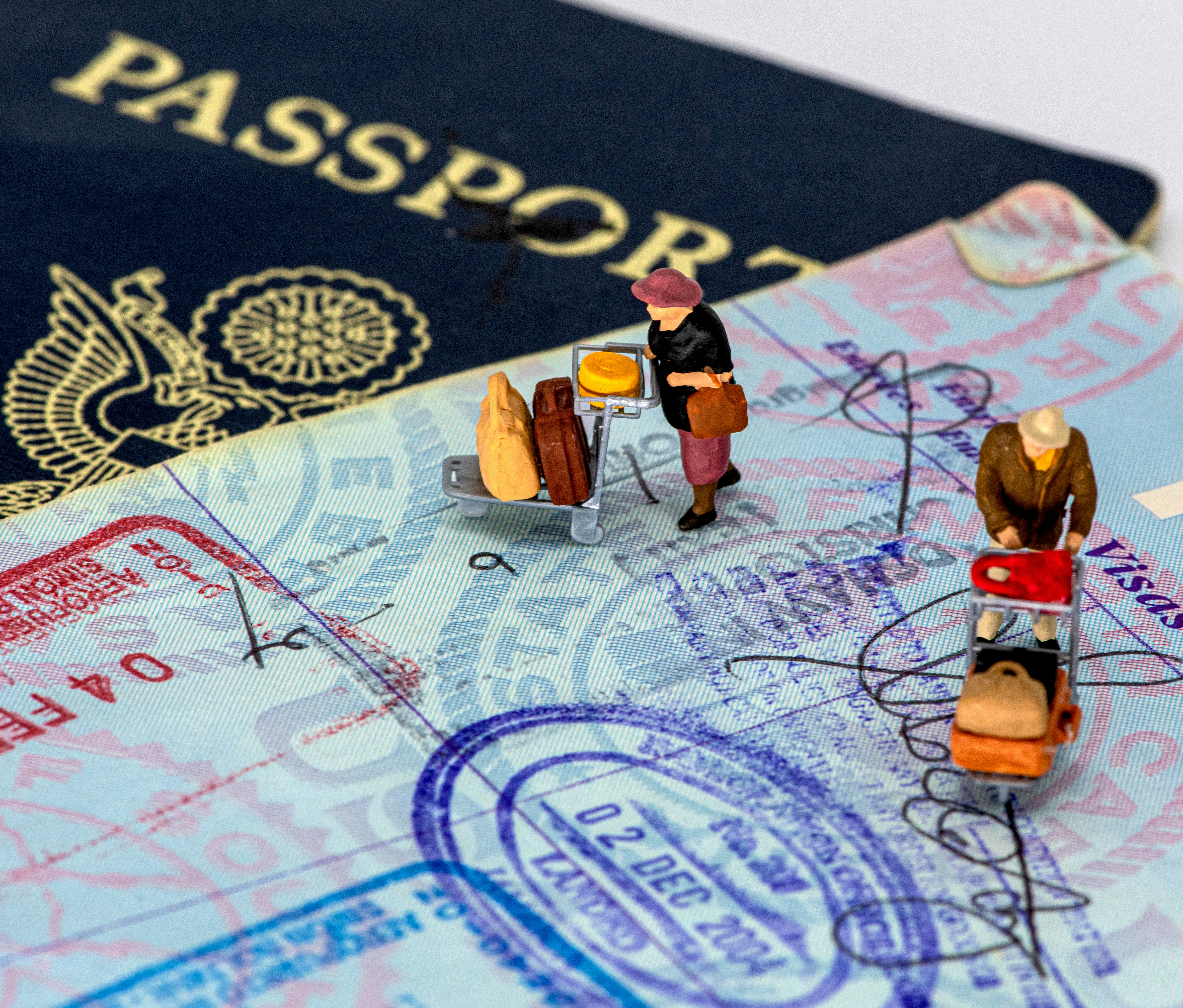
Introduction to the Republic of Congo Visa
The Republic of Congo, often referred to as Congo-Brazzaville, is a vibrant Central African nation that offers travelers breathtaking landscapes, rich cultural heritage, and diverse wildlife. However, before embarking on a journey to this captivating country, understanding the visa process is crucial. Obtaining a visa serves not only as a gateway for entry but also highlights the importance of adhering to the laws and regulations of the host country.
The Republic of Congo offers several types of visas tailored to meet the varied needs of travelers. These include tourist visas, business visas, and transit visas, each designed to accommodate different purposes of travel. A tourist visa is typically required for individuals looking to explore the scenic beauty and cultural landmarks, while a business visa is essential for those who intend to engage in commercial activities. Additionally, transit visas are necessary for individuals who are passing through the country en route to another destination.
In addition to knowing the different types of visas available, it is essential for travelers to familiarize themselves with the visa requirements specific to their nationality. Requirements may vary significantly based on where an individual originates. Generally, the visa application process involves submitting a completed application form, valid passport, passport-sized photographs, and sometimes proof of accommodations or a travel itinerary. For certain nationalities, additional documentation, such as yellow fever vaccination certificates, may also be mandated, which underscores the importance of researching and comprehending these prerequisites.
Understanding the visa requirements and adhering to them can greatly enhance the travel experience to the Republic of Congo. Proper preparation not only fosters compliance with local laws but also paves the way for a seamless and enjoyable journey into this extraordinary destination.
Types of Visas Available
The Republic of Congo (Brazzaville) offers a variety of visa types to accommodate the different purposes of travel. One of the most commonly sought is the tourist visa, designed for individuals looking to explore the country’s rich culture, heritage, and natural beauty. This visa typically allows for a stay of up to 90 days and requires applicants to provide proof of accommodation, a return ticket, and a valid passport.
Another essential category is the business visa. This visa is intended for professionals visiting the Republic of Congo for work-related purposes, including attending meetings, conferences, or undertaking business negotiations. Applicants must present an invitation letter from a Congolese company, along with necessary documents that substantiate their business activities.
For travelers in transit, the transit visa serves an important function. This visa is for individuals who are passing through the Republic of Congo to reach another destination. The transit visa usually requires a confirmed onward ticket and may have a limited duration, often permitting stays of up to 72 hours.
Besides these, there are also family visit visas which allow individuals to visit their family members residing in the Republic of Congo. Applicants must provide documentation that proves the family relationship. Furthermore, for students, a student visa is required, which enables foreign nationals to pursue education in various institutions within the country; this requires acceptance letters from educational establishments.
Overall, understanding the various types of visas available is crucial for prospective travelers to the Republic of Congo. Each visa category has specific requirements and purposes, ensuring that all visitors can comply with the regulations while receiving the correct type of entry based on their travel intentions.
Visa Application Requirements
Applying for a visa to the Republic of Congo (Brazzaville) necessitates a thorough understanding of the required documentation to ensure a smooth application process. The primary requirement is a valid passport, which must have at least six months of validity remaining beyond your intended stay in the Republic of Congo. Additionally, there should be at least two blank pages available in the passport for visa stamping.
Alongside the passport, applicants must provide recent passport-sized photographs that comply with official specifications. These photographs typically require a white background and appropriate size, thus it is advised to consult the latest guidelines provided by the embassy or consulate.
An invitation letter may also be essential, especially for those traveling for business or visiting family. This document should clearly state the purpose of the visit and details of the host, including their contact information and residence status in the Republic of Congo. For tourism purposes, a hotel reservation may substitute the invitation letter, although confirmation of accommodation plans might still be required.
Furthermore, it is crucial to submit a completed visa application form, which should be filled out accurately, with all necessary details about the applicant and the trip. Many embassies or consulates now offer online application forms, streamlining the submission process.
In certain cases, such as for longer stays or specific work visas, additional paperwork may be necessary. This can include proof of employment, financial stability, travel insurance, and a criminal record check. Applicants are encouraged to verify the specific requirements with the relevant authorities to avoid delays. Ensuring that all documents are accurately prepared and submitted can significantly reduce the risk of application rejection.
The Visa Application Process
Applying for a visa for the Republic of Congo (Brazzaville) involves a systematic approach, ensuring that applicants meet all requirements and follow the necessary steps. The first phase is to determine the type of visa needed based on the purpose of your visit, which could range from tourism to business or family reunification. Once the appropriate visa category is identified, the next step is to gather all required documentation. Typical documents include a valid passport, passport-sized photographs, an invitation letter (if applicable), and proof of accommodation.
Applications for a Congolese visa can usually be submitted either online or in person at the nearest embassy or consulate. For online applications, applicants are encouraged to visit the official website of the Republic of Congo’s diplomatic mission. This website provides detailed instructions on how to complete the online form, upload necessary documents, and pay the application fee. Conversely, if you choose to apply in person, you will need to schedule an appointment with the relevant consulate, adhering to their operational hours.
Once the application has been submitted, it typically enters a processing phase that varies in duration depending on the type of visa and local factors. Generally, processing times can range from a few days to several weeks. It is advisable to apply well in advance of your planned travel dates. After the processing period, applicants will be notified about the decision by email or letter, at which point the visa can be collected or printed if issued electronically. Understanding the visa application process thoroughly ensures a smoother experience, minimizing any potential delays in travel plans.
Visa Fees and Payment Methods
When considering a trip to the Republic of Congo (Brazzaville), it is essential to be aware of the various visa fees associated with obtaining the appropriate travel documentation. The costs associated with a visa can vary based on the type of visa one is applying for. Generally, the fees for a standard tourist visa may range from $50 to $100, while business and transit visas could incur additional charges, typically falling between $100 to $200. It is crucial for applicants to confirm these amounts during their application process, as they can be subject to change.
In addition to the standard visa fees, applicants should be prepared for any additional charges that may arise, such as service fees, processing fees, or requirements for expedited processing, which can significantly increase the overall cost. Any applicable fees should be documented clearly in the visa application guidelines provided by the relevant embassies or consulates.
As for the payment methods accepted when applying for a visa to the Republic of Congo, these can vary by the embassy or consulate handling the application. However, common payment options generally include credit and debit cards, bank transfers, or cashier’s checks. It is advisable to check the specific payment methods available at the time of application to ensure a smooth transaction process. Additionally, some authorities may require applicants to obtain a money order made out to the embassy or consulate.
Being aware of the fees and understanding the payment methods is essential for a successful visa application to the Republic of Congo. This knowledge helps applicants avoid unexpected costs and facilitates a more efficient application process.
Important Tips for Visa Applicants
Applying for a visa to the Republic of Congo (Brazzaville) can be a complex process that requires careful preparation and attention to detail. To facilitate a smoother application experience, applicants should employ several essential tips. One of the most critical aspects of a successful visa application is ensuring that all required documents are accurately completed and submitted. Familiarize yourself with the list of necessary paperwork, which typically includes a valid passport, a completed visa application form, recent passport-sized photos, and proof of accommodation and financial means.
Interview preparation is another vital factor. Many visa applicants are required to attend an interview at the nearest embassy or consulate. It is advisable to rehearse potential questions related to your travel purpose, financial status, and personal background. Presenting oneself in a confident and professional manner during the interview can often sway the decision in favor of your application.
Moreover, understanding common pitfalls can significantly enhance your chances of approval. Applicants often fail to provide sufficient financial documentation or may misunderstand the specific type of visa required for their intended purpose of travel. Ensure that you read all guidelines thoroughly and seek clarification if necessary. Consider starting the application process early to buffer against potential delays and unexpected issues.
Lastly, it is essential to remain persistent and patient throughout the process. In the event of a visa rejection, carefully review the reasons provided and gather any additional information or documentation that may strengthen a subsequent application. Following these tips can prove invaluable in navigating the complexities of securing a visa for the Republic of Congo.
What to Expect Upon Arrival in Brazzaville
Upon your arrival in Brazzaville, the capital of the Republic of Congo, it is essential to be prepared for the various immigration and customs procedures you will encounter. The first step as you disembark from your flight will be to present your passport, along with any required visas or travel documents, at the immigration control desk. It is highly advisable to have these documents organized and easily accessible, as this can expedite your entry process.
Once you have cleared immigration, you will proceed to the baggage claim area to retrieve your luggage. Be mindful of any customs regulations that may apply to your personal belongings. The Republic of Congo has specific guidelines regarding the importation of certain goods, including currency restrictions and limitations on alcohol and tobacco products. Familiarizing yourself with these customs regulations beforehand will prevent any potential delays or inconveniences.
Following customs clearance, travelers should take note of their initial steps in Brazzaville. It is advisable to arrange reliable transportation from the airport prior to your arrival to ensure a smooth transition to your accommodation. Additionally, consider exchanging a small amount of currency at the airport for immediate expenses, such as transportation or food.
Once settled, it is beneficial to familiarize yourself with your surroundings and local customs. Engaging with locals, learning basic French phrases, and understanding transportation options can enhance your experience. Be sure to keep emergency contacts handy and remain informed of local regulations that may affect your stay.
In summary, preparation is key to a smooth entry into Brazzaville. Ensuring that all visa-related documents are readily available will facilitate your arrival and allow you to begin your exploration of this vibrant city without unnecessary stress.
Extending Your Visa or Handling Overstays
Travelers who find themselves in the Republic of Congo and wish to extend their stay have several options available to them. Before taking action, it is crucial to understand the specific procedures that must be followed to ensure compliance with local immigration laws. To initiate a visa extension, one should visit the Directorate General of Immigration and Emigration (DGIE) in Brazzaville. This governmental body oversees all visa-related matters and can provide comprehensive guidance.
The first step in extending a visa is to apply at least a week before the expiration date of the current visa. The required documentation may include a valid passport, the original visa, recent passport-sized photographs, and sometimes proof of accommodation. Fees will vary, so it is advisable to check the latest schedule on the DGIE’s official website or inquire directly at their office. In some instances, visitors may be granted a temporary extension pending the completion of their application.
In the unfortunate event of overstaying a visa, travelers should promptly contact the nearest immigration office. Failure to do so may result in penalties, including fines or legal action. Overstay fines can accumulate on a daily basis, making it vital to resolve the status as soon as possible. Generally, the penalty is calculated based on the number of days overstayed, so a speedy resolution is beneficial. In many cases, the immigration officers may provide a way to regularize one’s stay, although consequences may still apply.
To minimize the chances of facing complications, it is advisable to maintain accurate records of your travel and visa information. Always adhering to the visa terms and remaining aware of expiration dates can help travelers navigate their time in the Republic of Congo more smoothly. Should further issues arise, consulting with legal experts or local authorities can provide clarity and assistance.
Frequently Asked Questions (FAQs) about Congolese Visas
The process of obtaining a visa for the Republic of Congo can raise numerous questions for travelers. Below, we address some common concerns that may arise when applying for a Congolese visa.
What types of visas are available for the Republic of Congo? The Republic of Congo offers several types of visas catering to different purposes including tourism, business, and transit. Each type has its own requirements and validity periods, so it is important to select the correct visa based on your travel intentions.
How long is a Congolese visa valid? The validity of a visa for the Republic of Congo depends on the type issued. Typically, tourist visas are valid for up to 90 days, while business visas may allow for longer stays. It is advisable to check the visa’s validity upon issuance to ensure compliance with local regulations.
Are there any travel restrictions for visa holders? Yes, travelers must be aware of possible restrictions regardless of the visa status. Some regions in the Republic of Congo may be restricted due to security concerns or health advisories. It is recommended to stay informed about the areas you intend to visit and ensure compliance with any local directives.
What additional documents might be required? In certain circumstances, travelers may need to provide supplementary documentation. This can include proof of accommodation, a return flight ticket, or an invitation letter for business purposes. It is imperative to collect all requisite documents during the application process to facilitate a smooth visa acquisition.
Can I extend my visa in the Republic of Congo? Extensions for a Congolese visa are permissible under specific conditions. However, it is vital to initiate the extension process well before the visa expiration date and to consult local immigration offices for guidance regarding requirements and procedures.
Travelers are encouraged to conduct thorough research and prepare adequately before embarking on their journey, ensuring a hassle-free experience while obtaining their visa for the Republic of Congo.

Leave a Reply