

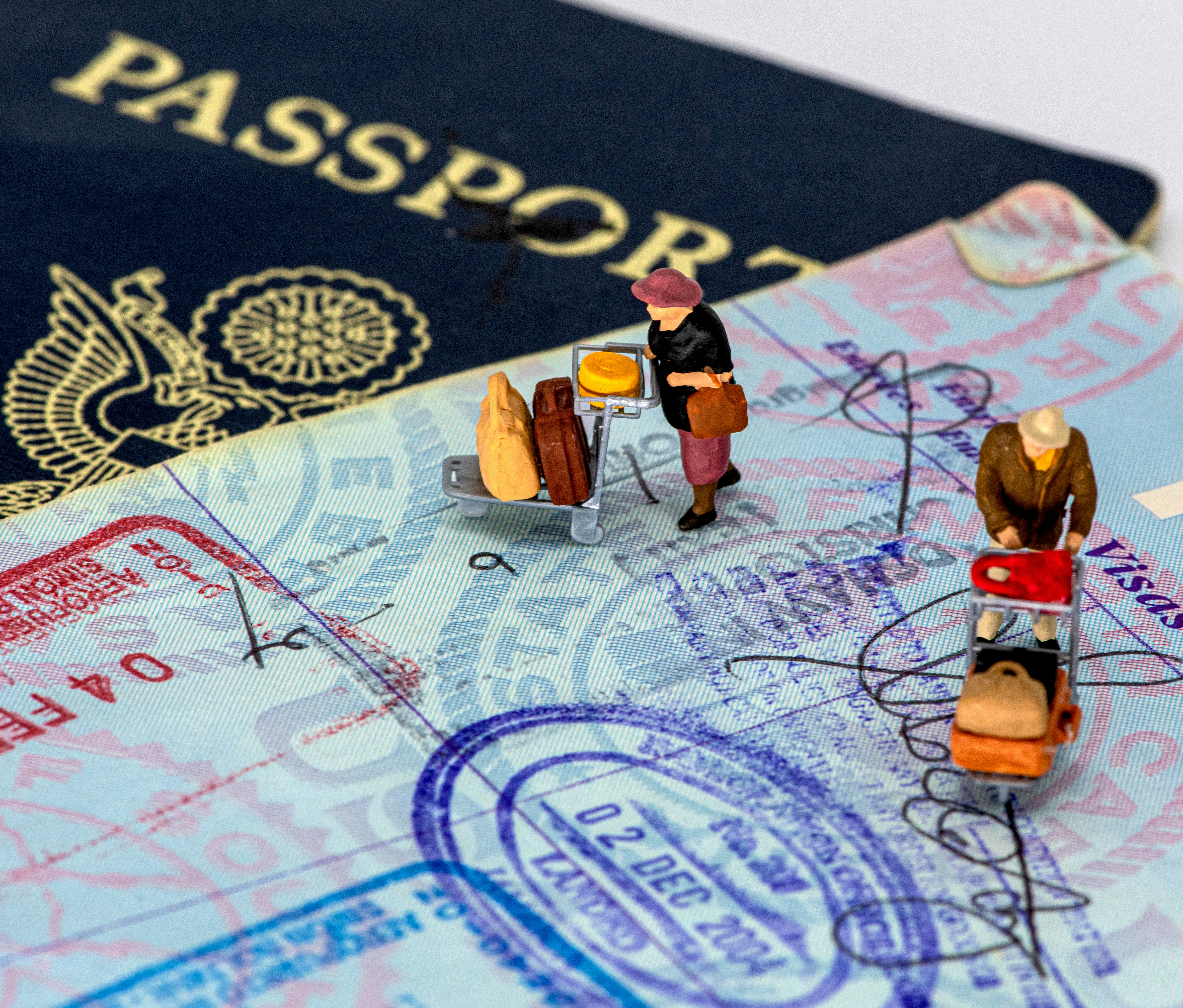
Introduction to Burundi’s Visa System
Understanding the visa system of Burundi is crucial for anyone planning to travel to this East African nation. As with many countries, Burundi has specific visa requirements that vary depending on the purpose of the visit and the nationality of the traveler. Familiarizing oneself with these regulations is essential to ensure a smooth entry into the country.
Burundi offers several types of visas, catering to different needs. The most common is the tourist visa, which is typically granted for a short duration for individuals intending to explore the country’s rich culture and natural landscapes. There are also business visas available for those looking to engage in trade or conduct business operations. Long-stay visas can be applied for by individuals wishing to remain longer in Burundi for studies or employment. Each type of visa comes with its own set of requirements, which may include an invitation letter, proof of accommodation, and financial means to sustain oneself during the stay.
Another critical aspect for travelers to consider is the application process. Visa applications can often be initiated from the Burundian embassy or consulate in the traveler’s home country. However, it’s also becoming increasingly common for visitors to apply online for certain visa types. An understanding of this process can save time and prevent complications at entry points.
In summary, knowledge of the various visa requirements and application procedures is vital for travelers to Burundi. Whether you are visiting for leisure, business, or study, being well-informed will help facilitate your journey, ensuring compliance with the regulations set forth by the Burundian authorities.
Types of Visas Available for Burundi
Burundi offers a range of visas to accommodate the diverse needs of travelers from around the world. Understanding the types of visas available can significantly streamline your travel planning. Below are the principal categories of visas issued by the Burundian government.
Tourist Visa: The tourist visa is essential for individuals planning to visit Burundi for leisure purposes. This visa typically allows travelers to explore the country’s rich cultural heritage, stunning landscapes, and vibrant local communities. The duration of stay usually ranges from 30 to 90 days, depending on specific circumstances.
Business Visa: For professionals intending to engage in commercial activities, a business visa is required. This type of visa is suitable for those attending meetings, conducting negotiations, or exploring business opportunities within the country. Applicants may be required to provide an invitation letter from a host organization in Burundi.
Student Visa: Students wishing to pursue their education in Burundi need a student visa. This visa is issued to individuals who have been accepted by a recognized educational institution in Burundi. To apply, students must present their acceptance letter, proof of sufficient funding, and accommodation arrangements.
Transit Visa: If a traveler plans to stop in Burundi while en route to another destination, a transit visa is advisable. This visa allows for a brief stay, typically not exceeding 48 hours, while facilitating travel to the final destination.
Work Visa: Foreign nationals aiming to work in Burundi must apply for a work visa. This process involves securing a job offer and obtaining a work permit, which often requires the employer in Burundi to provide necessary documentation to ensure compliance with local labor laws.
By understanding these various visa categories, travelers can select the most appropriate option that aligns with their travel objectives in Burundi.
Who Needs a Visa to Enter Burundi?
Burundi, located in East Africa, requires most foreign nationals to obtain a visa prior to entry. However, there are specific exemptions based on nationality, which are important to understand for anyone planning to visit this picturesque country. Citizens from several countries, primarily those within the East African Community (EAC), may enter Burundi without a visa. This includes nationals from Kenya, Uganda, Rwanda, South Sudan, and Tanzania, allowing for seamless travel across these borders.
Furthermore, there is a substantial category of visitors who need to apply for a visa before traveling to Burundi. This includes travelers from Europe, the Americas, and other regions whose nationalities do not have special agreements with the Burundian government. The standard tourist visa can typically be obtained through the nearest Burundian embassy or consulate, and it is advisable to apply well in advance to avoid any last-minute complications.
Special considerations also apply to diplomats. Holders of diplomatic and official passports often qualify for conditional visa exemptions, allowing them to conduct their professional duties in Burundi. It is crucial for such travelers to confirm their status and any associated provisions through relevant governmental channels prior to departure.
Moreover, certain traveling circumstances may allow for different visa arrangements, such as students or researchers who may have specific permits for academic purposes. In essence, while a comprehensive visa policy is in place for Burundi, the nuanced categories and exemptions make it imperative for travelers to verify their individual requirements based on their nationality and purpose of travel.
How to Apply for a Burundi Visa
Applying for a Burundi visa involves a systematic process that varies depending on the type of visa required. For travelers planning to visit Burundi, understanding the steps involved, the documents necessary, and the ways to submit the application is crucial to ensure a smooth experience. The process can generally be categorized into two options: applying online or submitting an application in person.
The first step in the application process is to determine the type of visa needed based on the purpose of your visit, such as tourism, business, or study. Following this, you should gather the required documents. Commonly requested documents include a valid passport with at least six months remaining until expiration, passport-sized photographs, proof of accommodation in Burundi, travel itinerary, and return flight tickets. In some cases, additional documentation such as travel insurance may also be required.
Once all necessary documents are compiled, applicants can choose to apply online through the official Burundi visa portal. This digital process typically allows for a more straightforward and quicker submission, where you fill out an online application form, upload required documents, and make the payment electronically. Alternatively, those preferring to apply in person should visit the nearest Burundian embassy or consulate. This requires an appointment, so it is vital to confirm availability and exact procedures at the chosen diplomatic mission.
Regardless of the selected application method, it is recommended to check the processing time and follow up on the application status. To enhance the chances of a successful application, ensure that all provided information is accurate and align with the documentation submitted. Taking these steps will facilitate a more efficient visa application process for your journey to Burundi.
Visa Fees and Processing Times
When planning your trip to Burundi, understanding the costs associated with obtaining a visa is essential. The visa fees vary based on the type of visa one is applying for, including tourist, business, or transit visas. Typically, the fee for a tourist visa ranges from $30 to $50, while business visas may cost upwards of $100. Additionally, it’s important to consider that fees can differ according to the applicant’s nationality and the consulate or embassy through which the visa is applied.
In addition to the basic visa fees, applicants should be aware of potential additional charges. These may include service fees levied by the visa processing center or expedited processing fees if faster service is required. When calculating the total cost of obtaining a visa for Burundi, it’s prudent to check the most recent information from official government sources or the relevant embassy.
Processing times for Burundi visas can vary significantly depending on numerous factors. On average, visa applications may take anywhere from three to seven business days to process. However, several factors can influence this timeline, including the volume of applications being processed, the completeness of your application, and any additional background checks that may be required. Applicants seeking urgent processing may need to pay an expedited fee, which can reduce wait times to as little as 24 hours.
In essence, having clarity about both the fees and the processing times will assist prospective travelers in planning their visits to Burundi more effectively. By allowing sufficient time for processing and being aware of all associated costs, travelers can ensure that their visa application experience is smooth and timely.
Documentation Required for Burundi Visa
When applying for a Burundi visa, travelers must prepare a comprehensive set of documents that demonstrate their eligibility for entry into the country. The primary requirement is a valid passport, which must be valid for at least six months beyond the intended departure date. This ensures that visitors have adequate travel credentials throughout their stay.
In addition to the passport, applicants are required to submit recent passport-sized photographs. These images should meet standard visa photo requirements, typically including a clear view of the face against a plain background. It is advisable to have at least two copies ready, as different departments may request them during the application process.
Another important document is the detailed travel itinerary. This includes information about flights, arrival and departure dates, and any internal travel plans within Burundi. Having a well-defined itinerary not only assists in the visa application but also plays a vital role in the planning of the trip.
Proof of accommodation is also mandatory, demonstrating that a traveler has made arrangements for lodging during their visit. This can include hotel reservations, a letter of invitation from a host in Burundi, or any other confirmation of a place to stay.
Furthermore, depending on the purpose of the visit, applicants may need additional documentation. For example, individuals traveling for business may need to provide a letter from their employer, while those visiting friends or relatives may require a letter of invitation from their host.
In summary, compiling the necessary documentation, such as a valid passport, passport photos, travel itinerary, and proof of accommodation, is crucial for a successful Burundi visa application. Being thorough and organized in this process can significantly facilitate approval and ensure a smooth travel experience.
Extending Your Stay in Burundi: Visa Extensions
If you find yourself wanting to extend your stay in Burundi, it’s essential to understand the visa extension process thoroughly. Travelers who initially entered the country on a visa that allows for an extension can apply for a new visa or an extension of their existing visa at the immigration office located in Bujumbura, the capital of Burundi.
To initiate the visa extension process, you will typically need to gather several documents. These include your current visa, a valid passport, recent photographs, and proof of financial means to support yourself during the extended stay. Furthermore, you may be required to provide a letter stating the reason for your intended extension.
It is crucial to apply for the visa extension before your current visa expires. Doing so helps you avoid the serious repercussions of overstaying your visa, which can include hefty fines, deportation, or even a ban on re-entering Burundi in the future. The Burundian immigration authorities are generally strict about visa regulations, and compliance is essential for a smooth experience while in the country.
Processing times may vary, but it is advisable to apply for an extension at least a few weeks before your planned departure to ensure that you receive it on time. Travelers should remain aware of the variety of visa types and the specific regulations that govern each, as different categories may have distinct requirements and limitations.
In summary, understanding the visa extension process and its requirements is vital for anyone wishing to stay longer in Burundi. By adhering to the rules and regulations in place, travelers can avoid complications and enjoy their time in this beautiful country without legal worries.
Common Mistakes to Avoid When Applying for a Burundi Visa
Obtaining a visa for Burundi is a critical step for travelers planning to visit this East African nation. However, many applicants fall into a series of common pitfalls that can lead to delays, rejections, or unnecessarily complicated procedures. Awareness of such mistakes can significantly enhance the application process.
One of the most frequent errors is submitting incomplete applications. Each section of the visa application must be filled out completely and accurately. Missing information can not only result in processing delays but can also lead to an outright rejection. It is advisable to double-check each section before submission to ensure all required data is accurately provided.
Another common mistake is the submission of incorrect fees. Visa fees can vary based on the type of visa and the applicant’s nationality. Verify the correct fee amount on the official government or consular websites and ensure it matches the payment made. Any discrepancy can lead to complications and possibly hinder the approval process.
Documentation is also a crucial component of the application process. Applicants frequently forget to include necessary supporting documents, such as travel itineraries, proof of accommodation, or endorsed photographs as specified in the requirements. Omitting these critical pieces of information can contribute to additional delays or referrals back to the applicant for missing documents.
Lastly, time management is essential. Many applicants underestimate the processing time, which can take several days to weeks depending on various factors. Initiating the application well in advance of the intended travel date is strongly advised to avoid last-minute complications that may result from rushed submissions. By steering clear of these common mistakes, applicants can better position themselves for a successful Burundi visa application.
Conclusion and Final Tips for Travelers
In conclusion, understanding the visa requirements for Burundi is crucial for a successful visit to this unique East African nation. The main types of visas include tourist, business, and transit visas, and application processes vary depending on travel purposes. Furthermore, being aware of the required documentation is essential to prevent any hassles upon arrival. Ensure that your passport is valid for at least six months beyond your intended stay, and always keep copies of important documents for safety.
Beyond visa considerations, it is vital for travelers to embrace the rich culture of Burundi. The people are known for their hospitality, so engaging with locals can provide a deeper appreciation of their customs and traditions. When dining, be aware that it is customary to share food and drink with others, reflecting the communal spirit of Burundian society. Additionally, learning some common phrases in Kirundi can foster goodwill and enhance interactions.
Travelers are also advised to be mindful of their attire, especially when visiting rural areas or during religious observances. Comfortable dress that adheres to local norms will help avoid unintended offense. For safety, it is wise to stay informed about local conditions, including political safety, and to follow any travel advisories issued by your country’s embassy.
Moreover, reaching out to residents can provide insight into the best local attractions and hidden gems that may not be prominently featured in travel guides. Whether you are exploring the vibrant markets in Bujumbura or hiking the stunning hills of the countryside, being respectful of local customs will enhance your travel experience in Burundi. By adhering to these tips and recognizing the cultural context, travelers can navigate the country more smoothly and appreciate its diverse heritage.
Leave a Reply