

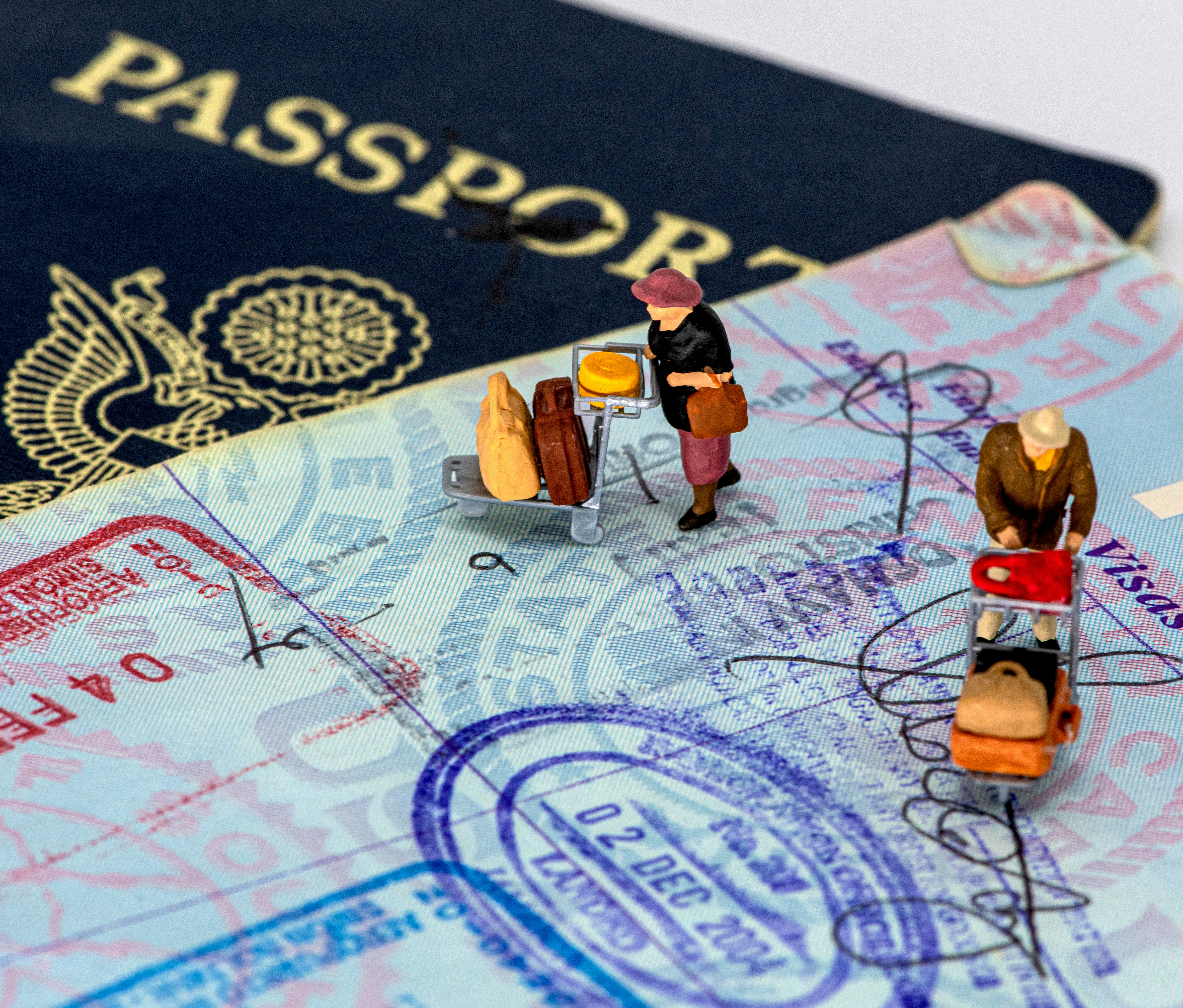
Introduction to Denmark Visa
The Denmark Visa serves as a crucial legal document for foreign nationals wishing to enter Denmark for various purposes. Whether the intent is tourism, work, study, or family reunification, obtaining the appropriate visa is a vital step in adhering to Denmark’s immigration regulations. The significance of the Denmark Visa extends beyond mere paper; it symbolizes the legal permission granted by the Danish authorities, allowing travelers to experience the hospitality and culture that Denmark offers.
Understanding the Denmark Visa process is essential for a smooth transition into the country. Each type of visa comes with specific requirements and documentation that must be accurately prepared and submitted. For those traveling for tourism, a short-term visa within the Schengen area may suffice, while students pursuing education or professionals seeking employment will need different types of visas tailored to their individual needs. Moreover, families who aim to reunite with loved ones must follow a separate set of immigration guidelines.
Furthermore, familiarizing oneself with the visa application procedure assists potential travelers in avoiding common pitfalls, such as incomplete documentation or misunderstandings regarding eligibility criteria. The process can often be intricate, involving various steps such as gathering required documents, filling out forms, and sometimes attending interviews. Therefore, staying informed about the current immigration rules and regulations pertaining to Denmark is essential for prospective visitors.
In summary, obtaining a Denmark Visa is a prerequisite for anyone wishing to enter Denmark. Understanding its importance and the intricacies of the application process can ease the experience, ensuring adherence to legal requirements and enhancing the likelihood of a successful application. Armed with this knowledge, travelers can embark on their journey to Denmark with confidence.
Types of Denmark Visas
Denmark offers a variety of visa categories, tailored to accommodate the diverse needs of travelers, students, workers, and families. Understanding the different types of Denmark visas is essential for a smooth application process.
One of the most common types is the short-stay Schengen visa, which allows travelers to enter Denmark for tourism or business purposes for a period of up to 90 days within a 180-day timeframe. This visa is ideal for those planning to explore Denmark’s rich cultural heritage, conduct business meetings, or attend conferences. Applicants must provide necessary documentation such as proof of accommodation, travel insurance, and evidence of sufficient financial means.
For individuals looking to stay in Denmark for longer durations, there are long-stay visas available. These visas cater primarily to those wishing to work or study in Denmark. The work visa is granted to individuals who have obtained a job offer from a Danish employer, while the study visa is available for international students accepted in recognized educational institutions in Denmark. Requirements for these visas may vary, often necessitating proof of employment or enrollment, financial stability, and health insurance coverage.
Additionally, the family reunification visa allows citizens and permanent residents of Denmark to bring their close family members into the country. This visa enables spouses, partners, and children to reunite with their families, provided they meet certain eligibility criteria and documentation requirements.
Each visa type has its distinct purpose and requirements; thus, it is crucial for applicants to identify the right visa that caters to their specific situation, ensuring compliance with Denmark’s immigration policies.
Visa Requirements and Eligibility
To obtain a Danish visa, applicants must meet specific requirements and eligibility criteria as outlined by the Danish immigration authorities. Primarily, the applicant must possess a passport that is valid for at least three months beyond the intended date of departure from Denmark. Additionally, the passport should have been issued within the last ten years, ensuring that it is in good condition for travel purposes.
Documentation is crucial in the visa application process. Applicants are required to provide proof of accommodation in Denmark, which may include hotel bookings or an invitation letter from a host. It is also essential to demonstrate sufficient financial means to cover the duration of the stay. This could be through bank statements, pay slips, or sponsorship letters if applicable. Moreover, proof of travel insurance is mandatory; the insurance policy must cover medical emergencies with minimum coverage of 30,000 euros.
While the aforementioned requirements apply broadly, there are exceptions based on the nationality of the applicant. Citizens of certain countries may be exempt from specific documentation requirements or might qualify for an e-Visa, allowing for a more streamlined application process. For instance, nationals from EU countries along with some other nations typically do not require a visa for short stays.
It is imperative for prospective travelers to verify the latest requirements relevant to their specific nationality and circumstances, as visa rules and policies can fluctuate. Consulting the official Danish immigration website or the nearest embassy can provide up-to-date and detailed information pertaining to individual cases, ensuring a smooth application process.
Application Process for Denmark Visa
The application process for obtaining a Denmark visa is multifaceted and requires careful attention to detail to ensure a successful outcome. Initially, prospective applicants must identify the correct visa type needed for their specific circumstances, which may vary based on the purpose of travel, such as tourism, business, or study.
The first step involves filling out the visa application form accurately. This form can typically be found on the official website of the Danish immigration authorities or through the nearest Danish embassy or consulate. It is essential to enter all information correctly, as discrepancies can lead to delays or a denial of the application. Applicants should gather all necessary documentation, including valid passports, photographs, travel insurance, proof of accommodation, and any required financial statements.
Once the application form is completed and the required documents are assembled, the next step is to schedule an appointment at a Danish embassy or consulate. This appointment is crucial as it allows applicants to submit their documents in person and possibly attend an interview. Applicants should check the embassy’s website for specific instructions on appointment scheduling, as procedures may differ between locations.
During the appointment, applicants will submit their forms and documentation. They must also pay the applicable visa fees, which vary depending on the visa type and the applicant’s nationality. Payment methods may differ, so it is recommended to verify accepted payment options beforehand.
After the appointment, applicants can track the processing status of their visa application, which may take several weeks depending on various factors, including the type of visa and the volume of applications being processed. Adhering closely to these steps is essential to navigate the Denmark visa process efficiently.
Processing Times and Tracking Your Visa Application
When applying for a visa to Denmark, applicants often inquire about the processing times, which can vary significantly depending on the type of visa. For instance, short-stay visas (Schengen visas) typically take around 15 calendar days to be processed. However, in some cases, especially during peak periods, this period may extend to 30 or even 60 days. For long-stay visas, such as work or residence permits, the processing time can range from one to three months, depending on the specific circumstances and completeness of the application.
It is advisable to submit your visa application well in advance of your intended travel dates, as unexpected delays may occur due to additional paperwork requirements or verification processes. The Danish immigration authorities strive to process applications as efficiently as possible, yet external factors may result in variance from the average processing times.
Once you have submitted your application, you may wonder how to track its status. The Danish Agency for International Recruitment and Integration (SIRI) provides an online tracking tool that allows applicants to monitor their application’s progress. To utilize this tool, you will need to enter your personal data and reference number provided during submission. Regular updates will be available, allowing you to stay informed about any changes or additional requirements.
If you encounter any issues or delays beyond the expected processing times, it is crucial to remain proactive. Applicants can contact SIRI directly for updates or clarifications regarding their application status. Furthermore, ensuring all required documentation is complete and accurately submitted can significantly mitigate the risk of delays. Understanding the visa processing times and efficiently tracking your application can facilitate a smoother experience.
Possible Reasons for Visa Denial
When applying for a Denmark visa, it is imperative to understand the potential reasons that could lead to a denial. Awareness of these factors can significantly enhance your application process and increase your chances of approval. One common reason for visa denial is an incomplete application. Applicants must ensure that every section of the visa form is filled out accurately and that all required supporting documents are submitted. Missing information or paperwork can lead to automatic disqualification.
Another significant factor is insufficient financial resources. Visa applications require proof that the applicant possesses adequate funds to support themselves during their stay in Denmark. Failure to provide recent bank statements or adequate financial documentation can raise concerns regarding the applicant’s ability to sustain their stay, which can lead to refusal of the visa.
Additionally, applicants must meet specific eligibility criteria, which vary depending on the type of visa being requested. These criteria often include age, educational qualifications, and prior travel history. A lack of eligibility may stem from applying for the wrong visa category or failing to demonstrate the necessary qualifications.
Moreover, immigration authorities can assess the lack of ties to the home country as a reason for denial. Visa officers want assurance that applicants intend to return to their home country after their visit. It is crucial to provide evidence of strong ties, such as employment or family obligations, to mitigate suspicions that the applicant may overstay their visa.
To avoid these common pitfalls, applicants should diligently review all their documents, ensure their application is complete, and understand the specific requirements of the visa they are applying for. Seeking assistance from immigration professionals or consultants can provide additional guidance and support in this complex process.
Traveling to Denmark with Your Visa
Once travelers have successfully obtained their visa, understanding the entry requirements and regulations for Denmark becomes paramount for a seamless transition. The initial step upon arrival involves complying with customs regulations, which govern what items can and cannot be brought into the country. Passengers should be cautious regarding prohibited and restricted items, which typically include narcotics, certain agricultural products, and goods exceeding specified value limits.
Documentary checks will occur at the border, where visa holders must present their travel documents, including their passport and visa, to immigration officials. It is crucial that the visa corresponds with the purpose of travel, as discrepancies can lead to delays or even entry denial. Prior to departure, travelers should ensure their passport is valid for a required duration, commonly six months beyond their intended stay, to avoid complications during their journey.
While in Denmark, visa holders possess certain rights and responsibilities. Adhering to local laws and regulations is essential to avoid legal penalties. Furthermore, it is advisable for travelers to maintain a copy of their visa and any other relevant documentation in case of inquiries by local authorities. Knowing emergency contact numbers and the location of the nearest embassy or consulate can enhance the sense of security and preparedness.
Visa holders should also be aware of health insurance requirements for the duration of their stay, as Denmark mandates sufficient coverage for medical emergencies. To conclude, a comprehensive understanding of the customs regulations, document requirements, and rights and responsibilities will facilitate a smoother entry experience into Denmark, allowing travelers to enjoy their visit without unnecessary stress.
Living in Denmark: Visa Extensions and Permanent Residency
Navigating the intricacies of visa extensions and the journey to permanent residency in Denmark is paramount for many individuals planning to make this Scandinavian nation their home. The Danish immigration system offers various avenues for extending temporary residency permits or transitioning to permanent residency, each with specific criteria and procedures.
To extend a temporary visa in Denmark, applicants must typically demonstrate ongoing compliance with the conditions of their existing permit. This includes maintaining employment, studying at an accredited institution, or adhering to the terms set forth in their initial visa approval. Extensions are often approved for periods similar to the original visa duration, contingent on meeting all requisite criteria.
The application process for extending a visa generally involves submitting necessary documentation to the Danish Agency for International Recruitment and Integration (SIRI). This may include proof of continued employment or enrollment in a study program, alongside the standard application form and fee. It is advisable to initiate this process well ahead of the visa’s expiration to avoid any potential gaps in legal residency.
Transitioning from a temporary visa to permanent residency brings further benefits and responsibilities. Permanent residency in Denmark is typically granted to individuals who have resided in the country for a specified period, often four years, while meeting integration and economic stability expectations. It allows for greater freedom in employment opportunities and the ability to reside in Denmark indefinitely without the need for constant visa renewals.
Furthermore, permanent residents may enjoy the benefits of social services such as healthcare and education. As the pathway to permanent residency often improves one’s quality of life in Denmark, understanding the essential steps and requirements for both visa extensions and the transition process is vital for aspiring long-term residents.
Conclusion and Additional Resources
Successfully navigating the Denmark visa process involves understanding the various requirements and regulations that govern visa applications. Throughout this blog post, we have detailed the types of visas available, explained the application process, and highlighted essential documentation. It is crucial for applicants to ensure they meet all necessary conditions before submitting their applications, as this can significantly influence the outcome.
Applicants should also consider additional factors such as waiting times, costs associated with visa applications, and the support services available through Danish embassies or visa application centers. Keeping abreast of any updates regarding immigration policies can provide valuable insights for those intending to visit or reside in Denmark.
For further information, readers are encouraged to explore official government resources dedicated to visa processes. The Danish Immigration Service offers a wealth of information on different types of visas, eligibility criteria, and application instructions, which can be beneficial for prospective applicants. In addition, various immigration advisory services can offer personalized guidance tailored to individual circumstances, which may enhance the likelihood of a favorable outcome.
We recommend consulting the Danish Customs and Tax Administration and visiting local immigration offices for accurate and up-to-date advice. For those seeking in-depth coverage on specific aspects of the visa process, additional articles and resources may be found through reputable legal and immigration websites.
In summary, thorough preparation, diligent research, and seeking professional assistance can be pivotal in navigating the complexities of the Denmark visa process.
Leave a Reply