

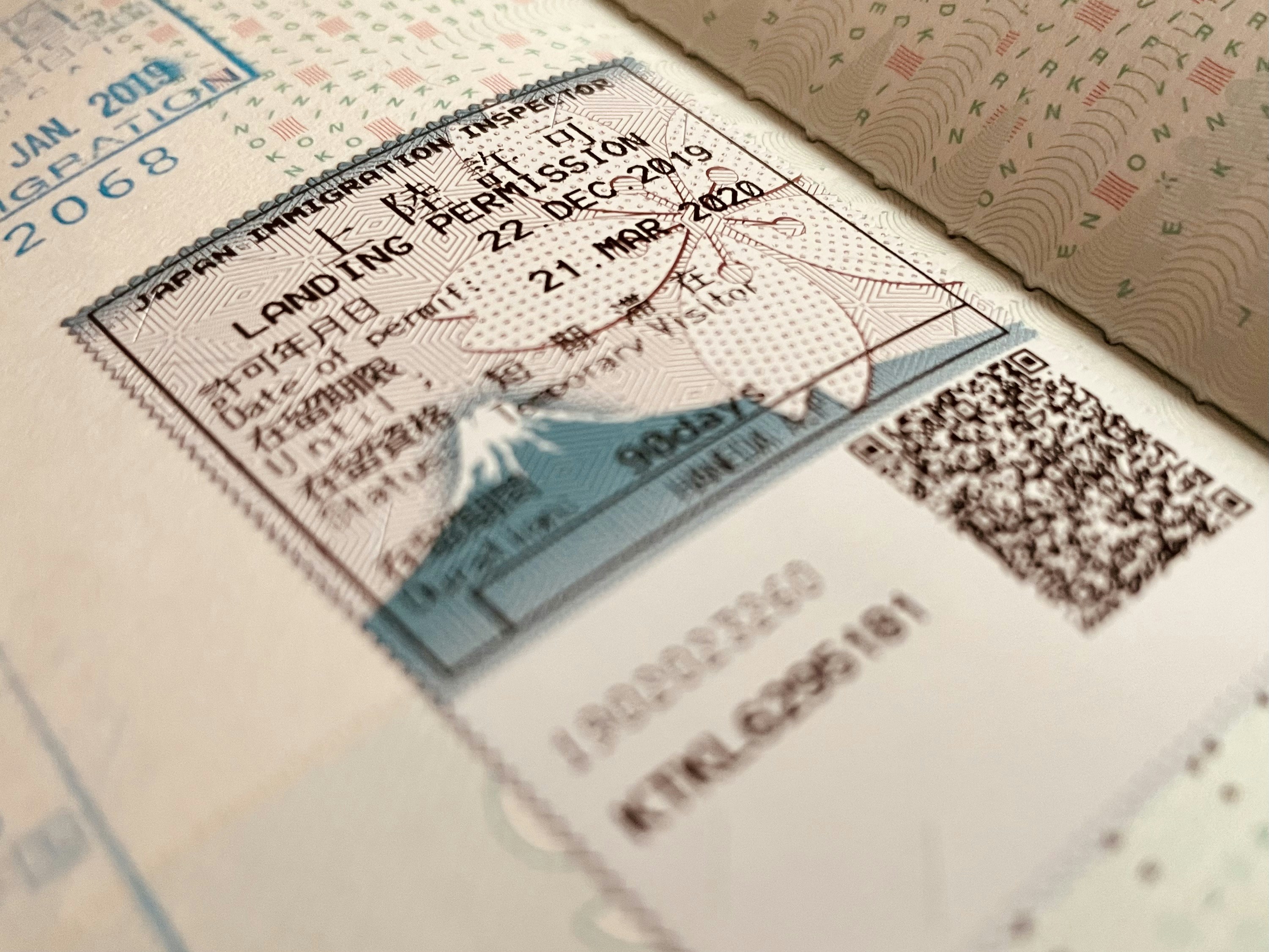
Understanding the Importance of a Japan Visa
Securing a Japan visa is a critical aspect for anyone intending to travel to this unique country. The necessity of a visa largely depends on the traveler’s purpose of visit, which can range from tourism to business, study, or employment. Each category has specific requirements and processes that must be adhered to in order to ensure a successful application. The issuance of a visa not only facilitates entry into Japan but also ensures compliance with the country’s laws and regulations regarding foreign visitors.
For tourists, a visa enables one to experience Japan’s rich culture, historical landmarks, and natural beauty. Without a valid visa, travelers can face significant issues, including deportation or bans on future travel. Business professionals seeking to engage with companies in Japan are required to obtain appropriate visas that allow them to conduct meetings, attend conferences, or liaise with teams. Insufficient paperwork, or the absence of a proper visa, can lead to wasted resources and lost opportunities.
Students looking to study in Japan must apply for a student visa, which allows them to enroll in educational programs while integrating into the local culture. This visa is crucial, as it grants the legal right to reside in Japan for the duration of their studies. Similarly, individuals seeking work must navigate through the complex landscape of work visas, confirming they meet the qualifications set by the immigration authorities. A valid work visa is imperative not just for employment but also for establishing residency in Japan.
In essence, the importance of obtaining a Japan visa cannot be overstated. It is essential for lawful entry into the country, ensuring that travelers can fulfill their purpose without facing legal repercussions. The implications of traveling without the appropriate visa can lead to serious complications, making the understanding of visa requirements paramount for any prospective visitor to Japan.
Types of Japan Visas
Japan offers a variety of visa types catering to different purposes, ranging from short-term visits to long-term stays. Understanding these categories is essential for anyone looking to travel, study, work, or reunite with family members in Japan.
The most commonly sought visa is the tourist visa, which allows visitors to explore the country’s rich culture and attractions. Typically valid for short stays of up to 90 days, this visa is suitable for those traveling for leisure. Tourist visas generally do not permit holders to engage in paid work.
For individuals seeking employment in Japan, the work visa is essential. This category includes several subtypes based on the applicant’s profession, such as skilled labor, engineering, or humanities. Each work visa has specific requirements, including a job offer from a Japanese employer that sponsors the visa application.
Another significant category is the student visa, which permits individuals to pursue educational opportunities in Japan. To obtain this visa, applicants must enroll in a recognized institution and demonstrate sufficient financial resources for their stay. The student visa often allows for part-time employment, providing students the chance to gain experience while studying.
Lastly, for those wishing to join family members residing in Japan, family-related visas are available. These include spousal visas, child visas, and dependent visas. Each type has distinct eligibility criteria and application processes, aimed at facilitating family reunification in Japan.
In summary, understanding the different types of visas offered in Japan is crucial for appropriately choosing the right pathway, whether for tourism, work, study, or family purposes. Each visa category serves to address the diverse needs of those looking to enter the country, thereby promoting cultural exchange and economic development.
Visa Requirements for Japan
When applying for a Japan visa, understanding the general requirements is crucial to ensure a smooth application process. Each visa type may have specific criteria, but several fundamental documents are universally required across most categories.
Firstly, applicants must possess a passport that is valid for at least six months beyond the intended date of entry into Japan. This validity is crucial, as it ensures that the applicant will not face issues related to passport expiration while in the country. The passport should also have blank pages available for visa stamps.
Secondly, a completed visa application form is essential. This form must be filled out accurately with personal details, travel information, and the purpose of the visit. Applicants can typically obtain the application form from the Japanese embassy or consulate’s official website or physical location.
Photographs are another requisite document. Most visa applications require two recent passport-sized photographs, typically adhering to specifications regarding dimensions and background color. It is important that these images are not older than six months to ensure they accurately represent the applicant.
A detailed travel itinerary is also crucial in demonstrating the purpose of the visit. This itinerary should outline the planned activities, accommodations, and any internal travel arrangements within Japan. Additionally, proof of sufficient financial means is required, which can be evidenced through recent bank statements, pay slips, or sponsorship letters if applicable.
By preparing these key documents, visa applicants can navigate the initial stages of applying for a Japan visa more effectively, setting the stage for a successful travel experience. It is advisable to verify the specific requirements for the visa category being pursued, as additional documentation may be necessary based on individual circumstances.
Step-by-Step Process to Apply for a Japan Visa
Applying for a Japan visa involves a systematic approach to ensure that all requirements are met and that the application is completed accurately. The first step is to determine the type of visa you need, based on the purpose of your visit, such as tourism, business, or work. Each visa category has specific requirements and documents that must be prepared.
Once you identify the appropriate visa type, the next step is completing the visa application form. This form can be downloaded from the official embassy or consulate website of Japan in your country or obtained directly at the embassy. It is essential to fill out the form diligently, providing accurate personal information and details about your trip.
After completing the application form, assemble the necessary documents required for the visa type you are applying for. Commonly required documents include a valid passport, recent passport-sized photographs, proof of financial means, and a travel itinerary. Depending on the visa category, additional documentation such as an invitation letter or a certificate of employment may be necessary.
Once all documents are collected, the next step is to submit your application package at the appropriate Japanese embassy or consulate. Many countries also offer the option of applying through accredited travel agencies. It is advisable to check the submission policies at the specific embassy or consulate as they may vary.
Additionally, applicants should be aware of the application fees associated with the visa process. Fees can vary significantly based on visa type and processing speed. Make sure to review the payment options provided by the consulate and keep a receipt of the payment for your records. Following these steps meticulously increases the chances of a successful visa application for Japan.
Processing Time and Fees for Japan Visa Applications
When considering a trip to Japan, one of the crucial aspects involves understanding the processing time and fees related to obtaining a visa. The duration and cost can vary significantly depending on the type of visa one is applying for, which may range from tourist visas to long-term student or work visas. Generally, the processing time for a Japan visa can be anywhere from a few days to several weeks.
For most tourist visas, applicants can expect processing times of around 3 to 5 business days. However, this period can extend if additional documentation is required or if applications are submitted during peak travel seasons. Students and those applying for work visas typically face longer processing times, often between 2 weeks to 3 months. Delays may arise from incomplete applications, missing documentation, or administrative backlogs at the relevant consulate or embassy.
As for the fees, they are also contingent upon the type of visa. A standard short-term visit visa usually costs around 3,000 yen, whereas long-term and working visas may incur higher fees, depending on specific circumstances, including the applicant’s nationality and the nature of their stay. Additional costs may include service fees charged by visa processing centers or agencies, which can vary widely.
To avoid delays in processing, applicants are advised to meticulously prepare their documentation and follow the guidelines laid out by the Japanese embassy or consulate. Submitting a complete application package at the outset can often expedite the process. In conclusion, managing expectations regarding the processing time and fees for a Japan visa is essential for ensuring a smooth application experience, making it imperative to stay informed about the requirements and to apply well in advance of planned travel dates.
Tips for a Successful Visa Application
Applying for a visa can be a complex process, but implementing effective strategies can significantly enhance your chances of success. To begin with, writing a compelling cover letter is essential. This document should clearly express the purpose of your visit, your travel itinerary, and your intent to return to your home country. It is crucial to keep the tone formal and to directly address the visa officer, stating how your planned activities align with the visa type you are applying for.
In addition to a well-crafted cover letter, it is vital to organize your documents systematically. Gather all required paperwork based on the visa category, which may include your passport, photographs, financial statements, proof of accommodation, and an itinerary. Using a checklist can be particularly helpful in ensuring that nothing is overlooked. Organizing your documents in a neat and logical manner not only aids in your understanding but also makes a positive impression on the visa processing staff.
Furthermore, it is wise to be aware of common mistakes that applicants often make. One such error is submitting incomplete applications. Make sure to double-check that all questions are answered thoroughly and all documents are included. Another frequent oversight is providing inconsistent information; ensure that dates, names, and details match across all documents. Application forms should be filled out with accuracy and care, reflecting your true circumstances.
Furthermore, it is advisable to submit your application well in advance of your intended travel dates to allow sufficient processing time. Finally, obtaining additional supporting letters from employers or educational institutions can bolster your case, affirming your ties to your home country. By following these guidelines, applicants can improve their visa application and enhance their likelihood of approval.
What to Do If Your Japan Visa Application Is Denied
Facing a visa denial can be a disheartening experience for many applicants. Understanding the reasons behind a denial can help you take the necessary steps to improve your chances for a successful application in the future. Common reasons for a Japan visa application denial include incomplete documentation, insufficient financial means, failure to meet the eligibility criteria based on the visa type, or any past immigration violations.
If your application has been denied, the first step is to carefully review the notification letter from the embassy or consulate. This letter usually outlines the specific reasons for the denial, which will guide your subsequent actions. It is crucial to address these concerns directly before considering reapplying.
Should you believe that your application was denied unjustly, you have the option to appeal the decision. To initiate an appeal, gather any additional evidence that supports your case and prepare a formal appeal letter. This process varies depending on the specific visa type and the Japanese consulate you are working with, so ensure you follow the correct procedures.
If the appeal does not reverse the decision, applicants may consider reapplying after addressing the reasons for denial. When reapplying, it is advisable to provide comprehensive documentation that resolves the previously noted issues. Paying attention to the details, such as having complete forms and adequate financial statements, will be pivotal. Furthermore, writing a cover letter that explains what has changed since the previous application can also enhance your submission’s strength.
Ultimately, handling a Japan visa denial requires careful consideration and informed decisions. Applicants should view it as an opportunity to rectify issues and present a stronger application in the future. By meticulously addressing the reasons for denial and applying with enhanced diligence, your chances of securing a Japan visa can significantly improve.
Visa Regulations During COVID-19
As nations continue to grapple with the impact of the COVID-19 pandemic, visa regulations around the world have undergone significant changes. Japan is no exception, having implemented strict measures to ensure public safety while managing international travel. Currently, travel restrictions are in place, while the country adapts its visa policies to safeguard both residents and visitors.
In response to the pandemic, Japan’s government has temporarily suspended visa issuance for certain categories of travelers. As of now, only specific individuals, such as foreign nationals with valid long-term residence status or those traveling for essential business reasons, may enter the country. This is part of the broader effort to limit incoming flights and reduce the potential spread of the virus.
Travelers looking to visit Japan should remain well-informed about the current regulations, as policies may evolve depending on the pandemic’s status. Regular updates are provided by the Japan Ministry of Foreign Affairs, outlining which visa categories are open for processing and any requirements that need to be fulfilled. Additionally, health safety measures are strictly enforced at entry points. Passengers may be required to present a negative COVID-19 test taken within a certain timeframe before departure, alongside proof of vaccination, where applicable.
It is also advisable for travelers to have comprehensive travel insurance that covers COVID-related issues such as cancellations or health care. The dynamism of the situation necessitates flexibility in travel plans, as unexpected changes in regulations may arise with little notice. Ensuring a thorough understanding of Japan’s current visa policies and health protocols can facilitate smoother travel experiences amidst ongoing uncertainty.
FAQs About Japan Visas
Understanding the intricacies of Japan’s visa system can be daunting, especially for first-time travelers. Here are some frequently asked questions regarding Japan visas that may address some of your concerns.
What is the typical duration of a Japan visa? Visa durations vary significantly based on the type of visa issued. For tourist visas, the validity may range from 15 to 90 days. On the other hand, work or student visas can be valid for longer periods, typically from one year to three years, contingent on the sponsorship and the specific conditions set by the immigration authorities.
Can I extend my stay in Japan? Yes, it is possible to extend your visa in Japan. Prior to the expiration of your current visa, you will need to apply for an extension at the local immigration bureau. It is essential to provide substantial documentation, including reasons for the extension and any supporting evidence, such as financial stability and proof of accommodation.
Are there specific requirements for different nationalities? Requirements for obtaining a Japan visa can differ greatly depending on your nationality. Some countries have visa exemption agreements with Japan, allowing their citizens to enter without a visa for a predetermined duration. Alternatively, nationals from countries without these agreements must follow strict procedural guidelines to apply for the appropriate visa. It is advisable to check the Japan Ministry of Foreign Affairs website for the most accurate and up-to-date information on your specific national requirements.
What documents are generally required for visa application? Typical documentation includes a valid passport, completed application form, recent photographs, a travel itinerary, and proof of financial means. Additional documents may vary based on the visa category and individual circumstances, so it is prudent to consult the relevant embassy or consulate.
Addressing these FAQs provides clearer insight into the Japan visa process, helping prospective travelers navigate their plans more effectively.
Leave a Reply