

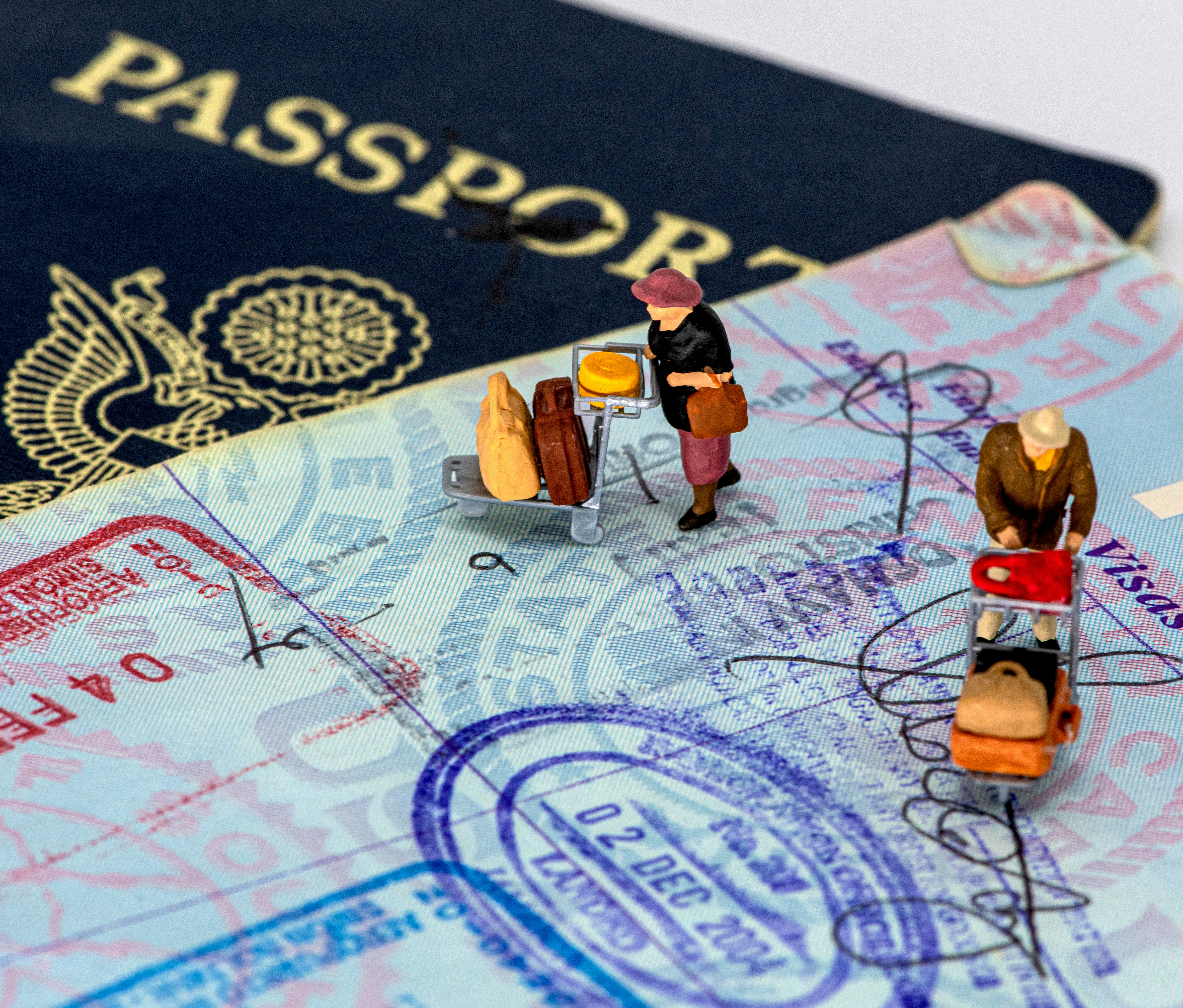
Introduction to Malta Visa
The Malta visa serves as a critical gateway for individuals wishing to enter this Mediterranean archipelago for various purposes, such as tourism, business, education, or residence. As a member of the European Union, Malta attracts a diverse array of visitors, including tourists looking to explore its rich historical landscape, expatriates seeking new career opportunities, and students aiming to benefit from the high standards of education offered by its institutions. The significance of holding a valid Malta visa cannot be understated, as it ensures compliance with border control regulations while facilitating smoother entry into the country.
Malta’s picturesque coastlines, vibrant cultural heritage, and favorable climate make it a popular destination. Tourists flock to experience its unique blend of history, natural beauty, and a relaxed lifestyle. For expatriates, particularly those within the EU, Malta offers various employment opportunities, particularly in sectors like gaming, finance, and information technology. Furthermore, its investment programs appeal to individuals looking to reside in a peaceful and welcoming environment.
Malta provides various types of visas tailored to different needs and circumstances. The short-stay Schengen visa, for example, allows visitors from non-EU countries to explore Malta for up to 90 days, making it ideal for tourists. For those wishing to stay longer, the national visa permits extended residence for purposes such as work or study. Additional categories such as student visas cater specifically to individuals pursuing academic studies within Maltese educational institutions. Thus, understanding the various visa types is important for anyone planning to visit Malta, as it directly influences both the length of stay and the activities allowed during the visit.
Types of Malta Visas
Malta, as a member of the European Union, offers a variety of visa options to suit the needs of different travelers, ensuring that visitors can find a suitable type of visa for their specific circumstances. The main types of visas available include tourist visas, work visas, student visas, and residence visas, each serving distinct purposes and requiring different eligibility criteria.
The tourist visa is designed for individuals looking to visit Malta for leisure purposes. It typically allows stays of up to 90 days within a 180-day period. Applicants must demonstrate financial means to support their stay, secure accommodation, and have a return ticket. This visa is often preferred by those exploring Malta’s cultural heritage and stunning landscapes.
For individuals seeking employment in Malta, the work visa is essential. This visa is tailored for foreign nationals who have accepted a job offer from a Malta-based employer. To be eligible, applicants must possess relevant qualifications and experience, along with a work contract. The work visa can lead to a long-term residence permit based on individual circumstances and job stability.
The student visa is available for foreign students wishing to pursue academic studies in Malta. Eligibility requires proof of acceptance into a recognized educational institution, along with evidence of sufficient financial resources to cover tuition and living expenses. This type of visa allows students to engage fully in their studies while enjoying the vibrant Maltese culture.
Lastly, the residence visa is targeted at those seeking to live in Malta for an extended period. This visa can be granted for various reasons, such as family reunification, long-term employment, or retirement. Applicants typically need to meet specific conditions related to financial stability, housing, and health insurance.
Eligibility Requirements for a Malta Visa
Obtaining a Malta visa requires applicants to meet several eligibility requirements, ensuring they have the necessary documentation and resources for their stay. Firstly, applicants must provide a valid passport that, typically, should remain valid for at least three months beyond the intended departure date from Malta. In addition, the passport should have been issued within the last ten years. This documentation serves as vital identification and must accompany the visa application.
Financial requirements are another critical aspect for those seeking a Malta visa. Applicants must demonstrate sufficient financial means to cover their stay, which generally involves presenting bank statements or proof of income. This requirement not only reassures immigration authorities but also highlights the applicant’s ability to sustain themselves during their time in Malta without requiring public funds.
Health insurance is also mandatory for visa applicants. It is essential to obtain comprehensive health coverage that includes emergency medical treatment, hospitalization, and repatriation. The policy should cover a minimum amount specified by the Schengen regulations, typically around €30,000. Documentation proving the existence of such insurance must be included with the visa application.
Other prerequisites may involve providing information about accommodation in Malta, such as hotel reservations or a letter from a host. Applicants may also be required to submit a detailed travel itinerary, which outlines their planned activities during their stay. Depending on the type of Malta visa being applied for, additional documentation, such as a letter of invitation or proof of employment, might be requested.
Meeting these eligibility requirements is paramount for ensuring a smooth application process and successful acquisition of the Malta visa, enabling applicants to explore the rich culture and history of this beautiful Mediterranean island.
Application Process Overview
Applying for a Malta visa involves a systematic approach that ensures you meet the requirements and have all necessary documentation. The first step is to determine the type of visa you require, as Malta offers different categories, including tourist, business, and student visas. Each of these categories has distinct criteria and documentation requirements.
Once you have identified the type of visa, you will need to gather the necessary documents. Commonly required documents typically include a valid passport, passport-sized photographs, proof of accommodation in Malta, financial statements proving your ability to support yourself during your stay, and, if applicable, a letter of invitation. Ensure that each document is correctly filled out and up to date, as any discrepancies may delay your application.
The next step involves completing the application form. Visa applications for Malta can generally be submitted online or in person at the nearest Maltese embassy or consulate. If submitting online, ensure that you follow the specific guidelines for uploading documents and filling out forms, while in-person submissions may require an appointment. It’s advisable to check the consulate’s website for detailed instructions on how the application should be submitted.
After submission, you will receive an acknowledgment along with any additional instructions. It is crucial to regularly check the status of your application; this can be done through the embassy’s website or through direct communication with the relevant authorities. Additionally, it’s wise to apply for your visa well in advance of your intended travel date to accommodate any delays in processing. By following these steps meticulously, you can enhance your chances of a smooth and successful Malta visa application process.
Required Documentation
When applying for a Malta visa, it is essential to gather the necessary documentation as specified for each visa type. Depending on the category of visa—be it for tourism, work, study, or family reunification—the required documents may vary significantly. Below is a comprehensive overview of the common documents required for most Malta visas.
Firstly, applicants will need a valid passport that must be issued within the last ten years, remaining valid for at least three months beyond the intended departure date from Malta. It should also have at least two blank pages available for visa stamps.
Additionally, passport-sized photographs are essential. These photos should be recent, color images, adhering to the biometric specifications outlined by the passport agency and should clearly show the face of the applicant.
Proof of accommodation is another cornerstone document required for the Malta visa application. This can be in the form of hotel reservations, a rental agreement, or a letter from a host in Malta who is willing to provide accommodation during the stay.
Travel insurance is another critical component of the visa application. The insurance should cover medical expenses and emergency assistance, with a minimum coverage of €30,000. It must be valid for the entire duration of the stay in Malta.
In addition to these essential documents, applicants may need to provide documentation specific to the type of visa being applied for. For example, those seeking work will require a work permit, while students must present proof of enrollment in a Maltese educational institution. Supporting documentation that verifies the purpose of travel will further bolster the application.
It is advisable to review the specific requirements for the Malta visa type being pursued, ensuring that all relevant documentation is complete and accurate prior to submission.
Visa Processing Time
The processing time for a Malta visa can vary significantly based on several factors. Typically, applicants can expect a decision to be made within 15 to 30 calendar days from the date of submission. However, this can vary depending on the type of visa, the volume of applications being processed, and the applicant’s individual circumstances.
One of the critical factors that influence processing time is the completeness of the application. Applications that are missing required documents or contain inaccuracies will likely face delays as additional information is requested. Therefore, it is essential for applicants to ensure their documentation is thorough and accurate prior to submission. This can help streamline the review process and reduce the overall time spent waiting for a decision.
Furthermore, the type of Malta visa being applied for also plays a vital role in determining processing time. For instance, a short-stay visa application may be processed more quickly than long-stay visas or those related to residency. Applicants should be aware of the specific processing requirements associated with their desired visa category, as this may impact how long they must wait for a response.
Additionally, during peak application seasons, such as summer, processing times may extend due to an increased volume of submissions. In such cases, it is advisable for applicants to plan ahead and apply well in advance of their intended travel dates.
To check the status of their Malta visa application, applicants can contact the consulate or embassy where they submitted their application. Most consulates offer a tracking service that allows applicants to monitor their application status online, providing timely updates on the progress of their visa request.
Potential Challenges and Solutions
Applying for a Malta visa can be an intricate process, often fraught with various challenges that applicants may encounter. One common hurdle is the collection of necessary documentation. Many applicants misjudge the extent of documentation required, resulting in delays or even rejections. To mitigate this challenge, it is essential to carefully review the requirements listed on the official Malta visa website and prepare documentation well in advance. This includes passports, financial statements, and proof of accommodation, among others. Keeping a checklist can streamline the process significantly.
Another prevalent issue involves the processing time. Some applicants find themselves pressed for time, leading to rushed applications. This situation is exacerbated during peak travel seasons when the volume of applications increases. To address this, start the application process early—ideally, two to three months before the intended travel date. This buffer allows for unexpected delays and offers the chance to respond to any unforeseen requirements from the embassy or consulate.
Furthermore, language barriers can pose another significant challenge, particularly for individuals who are not fluent in English or Maltese. Misunderstandings might arise during the filling out of forms or during interviews. To overcome this obstacle, consider seeking assistance from local agencies or professionals who specialize in immigration services. They can guide you through the application process, ensuring that forms are correctly completed and enhancing the likelihood of approval.
Finally, a lack of knowledge about the visa interview process can be intimidating. Prepare thoroughly by researching common interview questions and practicing your answers. Familiarize yourself with the type of questions the visa officer may ask regarding your intentions in Malta, financial stability, and travel plans. Being well-prepared can significantly ease the stress and contribute positively to your overall application experience.
Post-Visa Approval Steps
Once you have received approval for your Malta visa, it is crucial to approach the subsequent steps with diligence and foresight. Your travel preparations begin here, marking a significant transition from the application phase to planning your actual visit. Start by finalizing your travel itinerary, booking flights that align with your intended arrival dates, and securing accommodation that fits your needs.
Before departing, familiarize yourself with Malta’s immigration laws and regulations. Understanding local laws will help you negotiate your arrival smoothly and avoid potential complications at the border. For instance, ensure that you have all necessary documentation readily accessible, including your approved visa, passport, accommodation details, and any necessary travel insurance papers.
Upon arrival in Malta, your first step is to present your documentation to the immigration authorities at the airport or port of entry. This will typically involve showing your visa and answer any queries concerning your stay. It is advisable to retain a copy of your visa approval and other key documents throughout your visit, as they may be required for verification during your stay.
After clearing immigration, begin your integration into Maltese life by exploring local customs, culture, and public services. Registering with local authorities may also be necessary, so inquire at the relevant government office regarding any registration requirements within your visa’s stipulated duration. Understanding your responsibilities as a visa holder is vital to ensuring compliance and maintaining your legal status while in Malta.
In summary, the period following the approval of your Malta visa is pivotal in ensuring a successful and unpleasant experience. Thoughtful preparation, adherence to immigration laws, and efficient handling of arrival procedures will enhance your stay in this beautiful Mediterranean nation.
Conclusion and Additional Resources
Obtaining a Malta visa involves a thorough understanding of the requirements, application processes, and various types of visas available for different purposes, such as tourism, business, or study. Throughout this guide, key aspects such as the importance of gathering correct documentation, filling out application forms accurately, and understanding the fee structure have been covered. It is imperative that all applicants are well-informed, as this can significantly streamline the visa acquisition process.
Furthermore, being aware of the eligibility criteria and ensuring that personal circumstances align with these requirements are essential steps. Whether applying for a short-stay or a long-stay visa, applicants should prepare in advance by checking for updates in policies or procedural changes that might affect their application. Malta, with its rich culture and strategic position in the Mediterranean, continues to attract a plethora of international visitors, emphasizing the relevance of staying informed.
For those seeking further assistance or detailed information, various resources are available. The official Malta Government website provides comprehensive details on visa categories and requirements. For more personalized guidance, applicants may consider contacting local authorities or consulates, which can offer tailored support based on individual circumstances. Additionally, online forums and communities dedicated to expatriates and travelers often provide invaluable advice based on real-life experiences.
In conclusion, while the process may seem daunting, it is manageable with the right information and support. Engaging with trusted resources can ease the procedural burden and lead to successful visa applications, allowing individuals to experience the many opportunities Malta has to offer.
Leave a Reply