

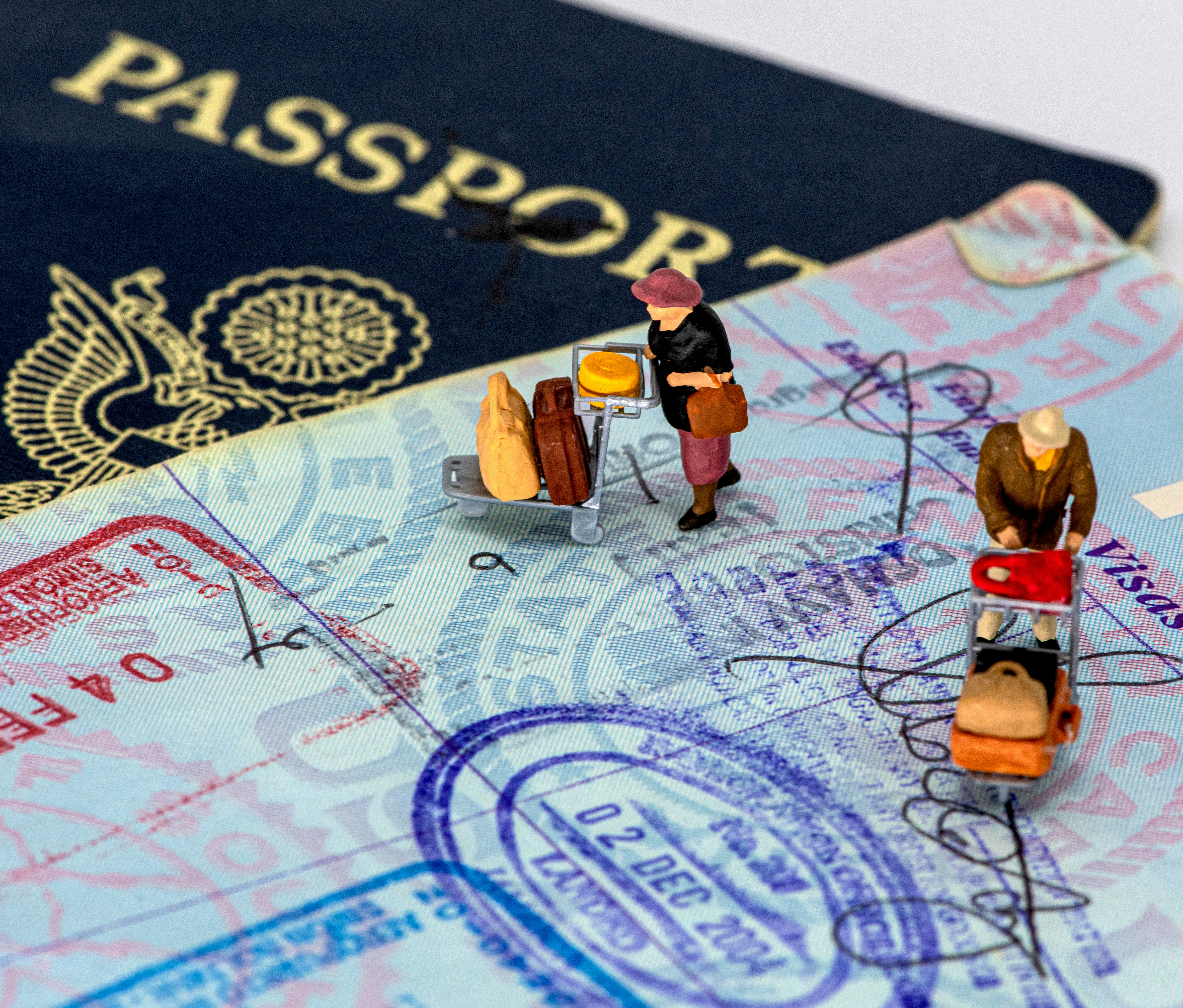
Introduction to Schengen Visa
The Schengen Visa is a crucial travel document that allows individuals to enter and move freely within 27 European countries that are part of the Schengen Area. Created to facilitate seamless travel between member states, the visa serves both as a means for tourists and business travelers to explore Europe without the need for multiple entry permits. Visitors can stay for a maximum of 90 days within a 180-day period for tourism, business, or family visits, making it a highly sought-after visa for globetrotters.
The purpose of the Schengen Visa is not only to enhance tourism and business exchanges but also to maintain security among the member states. Given the close cooperation between these countries, a standardized visa policy allows authorities to better monitor and manage borders while ensuring a satisfactory level of safety. The countries include popular destinations such as France, Germany, Italy, and Spain, attracting millions of travelers each year.
It is important to note that not everyone needs a Schengen Visa. Citizens from certain countries benefit from visa exemptions, allowing them to enter Schengen Area nations without prior approval for short stays. However, for those who do require a visa, the application process includes several requirements – one of which is demonstrating financial stability. Financial stability is crucial as it assures the authorities that applicants can support themselves during their stay. This usually involves providing bank statements or proof of accommodation, which collectively serve as evidence of the applicant’s ability to cover expenses related to travel, accommodation, and other daily costs.
Understanding Minimum Balance Requirements
The minimum balance requirement for a Schengen Visa refers to the amount of financial resources an applicant must showcase to substantiate their ability to cover living expenses during their stay in the Schengen Area. This financial proof is a crucial aspect of the visa application process, as it assures visa authorities that applicants will not become financial burdens on public services while visiting or residing in the region.
In applying for a Schengen Visa, individuals often need to provide documentation that confirms their financial stability. This typically includes bank statements, pay slips, or sponsorship letters that clearly demonstrate sufficient funds. The required amount can vary depending on the applicant’s length of stay and the specific countries they plan to visit within the Schengen Zone. As of recent guidelines, a general benchmark has been set at approximately €60 per day of intended stay, which translates into a total minimum balance reflecting the duration of the trip.
Understanding the importance of meeting this minimum balance requirement is vital for those seeking entry to this combined European territory. Failing to provide adequate financial evidence can lead to visa denial. This requirement is not merely a bureaucratic formality; it plays a key role in ensuring that travelers have planned their trip financially and can sustain themselves without external assistance. Thus, applicants should take careful consideration of their finances and prepare the necessary documents that illustrate they meet or exceed the specified financial threshold for a successful Schengen Visa application.
Calculating Minimum Balance for Different Countries
The minimum balance requirement for a Schengen Visa is a crucial consideration for applicants, as it varies significantly from one member country to another. Understanding these variations is essential for prospective travelers. Each Schengen country sets its own financial criteria, which reflect the cost of living and the general economic environment. For example, Germany requires that applicants have at least €45 per day for the duration of their stay. This baseline can serve as an indicator for other nations in the Schengen Zone.
Similarly, France imposes a requirement of approximately €120 per day. The requirement is deliberate; this ensures that travelers can cover their accommodation, food, and incidental expenses without undue stress. Countries like Italy also recommend a similar threshold of €45 per person per day, showcasing a pattern that supports travelers’ needs but does not overextend financial limits.
Some nations, however, may have fluctuating rates based on seasonal tourism trends and specific events. For instance, during high tourist season, countries such as Spain may experience an uptick in their financial recommendations as demand for accommodations and services rises. Alternatively, countries like Austria maintain a more stable minimum balance guideline, significantly driven by their stable economic status.
Moreover, applicants should be aware that some countries may request proof of round-trip tickets in addition to bank statements showcasing the required minimum balance. These assurances help ensure that travelers do not place a financial burden on the host country. It is advisable for individuals to check with the consulate of their destination country for the most current regulations, as changes can occur rapidly based on economic conditions.
Documents Required to Prove Financial Stability
When applying for a Schengen visa, one of the critical factors considered by the consulate is the applicant’s financial stability, which is verified through specific documentation. It is essential for applicants to provide legitimate evidence that they possess sufficient funds to cover their expenditures during their stay in the Schengen Area. The following are various types of documents that can be submitted to meet the minimum balance requirement:
Firstly, bank statements are perhaps the most critical documents in this regard. Applicants are usually required to provide recent bank statements for the last three to six months. These statements should clearly reflect the applicant’s name and account number, along with the current balance. It is advisable that the statements exhibit a stable flow of funds, ensuring that the minimum balance requirement is consistently met.
Secondly, proof of income is also essential. This can take various forms, including recent pay slips, employment letters, or income tax returns. These documents must provide a clear picture of the applicant’s financial status and demonstrate that they have a reliable source of income that supports their ability to fund their trip.
Additionally, applicants may include alternative financial documents such as a sponsorship letter, if someone else is covering the expenses. In such cases, the sponsor must provide their bank statements and proof of income, along with an official letter confirming their willingness to assist with the financial requirements of the visa application.
Lastly, other financial documents such as statements from investment accounts or property ownership can also be submitted. These serve to further substantiate the applicant’s financial standing and reassure visa authorities of their ability to manage costs during their travels.
How to Prepare Your Financial Documents
When applying for a Schengen Visa, it is crucial to demonstrate your financial capacity to support yourself during your stay. Properly preparing your financial documents is essential for a successful application. Here’s a step-by-step guide to help you organize your financial information effectively.
First, gather all necessary documents that illustrate your financial situation. This may include bank statements, proof of income, and any additional assets you own. Ensure that your bank statements cover at least the last three months, as this period provides a comprehensive view of your financial stability. Statements should clearly show your name, account number, current balance, and transaction history.
Next, include proof of income. This could consist of recent payslips, tax returns, or employment letters confirming your annual salary. If you are self-employed, prepare a detailed document that outlines your business income and expenses, ensuring to include your tax returns for the preceding fiscal year.
If applicable, provide additional documentation concerning other assets, such as property ownership or investment records. Evidence of savings accounts, fixed deposits, or stocks can reinforce your stability and help establish your financial reliability.
Organize these documents chronologically or thematically, ensuring that each piece is clearly labeled and easy to read. Create a cover letter that summarizes your financial situation concisely, highlighting key points that demonstrate your ability to sustain yourself financially while visiting the Schengen area.
Finally, ensure that you have copies of all documents for both your records and the visa application. A well-prepared financial portfolio not only enhances your credibility but also facilitates a smoother visa application process.
Possible Consequences of Insufficient Balance
When applying for a Schengen visa, financial stability is a critical criterion that must be satisfied. If the applicant’s financial documents reflect an insufficient balance, it can lead to various consequences that might jeopardize the visa application process. Specifically, the visa officer will assess whether the individual possesses adequate funds to cover their stay, including accommodation and other living expenses. A negative evaluation in this area typically results in a refusal to grant the visa.
The consequences of having an inadequate balance can extend beyond immediate rejection. An applicant may face significant delays in reapplying for the Schengen visa, as they will need to improve their financial standing before submitting a new application. This often requires a careful reassessment of spending habits, income sources, and savings strategies. For potential travelers, ensuring that the bank statements submitted demonstrate a robust financial situation is paramount; otherwise, further complications may arise in the future.
In cases where an application is rejected due to insufficient funds, the applicant is often provided with a letter outlining the reasons for refusal. This can serve as a guideline for addressing the deficiencies highlighted in the financial assessment. Potential reapplication methods could involve demonstrating a consistent increase in savings or securing a financial sponsor who can support the trip. Additionally, having a well-documented and realistic travel itinerary can help in convincing the authorities of the applicant’s intent to return to their home country after the visit.
Ultimately, understanding the minimum balance requirement and its implications helps applicants prepare more thoroughly, reducing the risk of negative outcomes associated with insufficient financial proof.
Tips for Meeting the Minimum Balance Requirement
When applying for a Schengen Visa, demonstrating sufficient financial resources is a crucial component. Failure to meet the minimum balance requirement may jeopardize the approval of your visa application. Here are some practical strategies and tips to ensure that you meet these financial expectations.
First and foremost, it is advisable to create a detailed budget. By outlining your expenses for the trip, including accommodation, transportation, food, and leisure activities, you can estimate the amount of money you will need. From this budget, you can determine how much money will need to be saved before your application is submitted. Monthly savings goals can help you incrementally reach the required minimum balance.
Consider establishing a separate savings account dedicated to your travel fund. This not only helps in keeping your savings organized but can also incentivize you to contribute regularly. Automatic transfers from your primary account to this dedicated savings account can foster a consistent saving habit without requiring constant manual effort.
In addition to traditional savings, exploring alternative sources of income can supplement your funds. Consider part-time jobs, freelance opportunities, or even selling unused items to generate extra revenue. Any additional income will contribute positively towards reaching your minimum balance requirement.
Furthermore, it is essential to remain aware of any changes in bank statements. Regular monitoring can help to prevent any discrepancies that could impact the overall balance. Make sure you maintain proper documentation of all financial transactions, as these records may be required by the visa authorities.
Lastly, reach out to financial advisors or fellow travelers who have successfully navigated this process for further insights. Combining these tips will facilitate meeting the necessary balance and enhance your chances of obtaining a Schengen Visa.
Personal Stories: Success and Challenges
When applying for a Schengen visa, individuals often encounter the minimum balance requirement, which can serve as a significant hurdle or a straightforward process, depending on personal circumstances. Many applicants share their experiences, highlighting the different pathways they took to fulfill this requirement effectively.
One success story comes from Maria, who was determined to visit her family in Italy. Maria meticulously saved for her trip, maintaining her visa application funds well above the minimum balance stipulated by the Schengen regulations. By keeping a dedicated savings account, she not only prepared her documentation but also managed to secure approval with ease. The positive outcome of her application process gave her confidence in managing the financial aspects of international travel.
However, not every applicant has had such a smooth experience. For instance, John, an aspiring tourist, faced significant challenges due to unexpected financial constraints. He initially thought he could prove his capability with a combination of savings and a sponsor’s financial statements. Unfortunately, his application was denied on the ground of insufficient funds. This experience taught him a valuable lesson regarding the importance of understanding the exact minimum balance requirement and the implications of different financial backing options.
These anecdotes illustrate the varied experiences individuals encounter while addressing the minimum balance requirement for a Schengen visa. While some like Maria manage to navigate through the process with careful planning and financial discipline, others, like John, learn from challenges that emphasize the necessity of thorough preparation. Each story illustrates how crucial it is to fully acknowledge the financial obligations tied to travel documentation, ensuring that applicants have clarity on what is required for a successful visa application.
Conclusion and Final Thoughts
As we have explored, the minimum balance requirement for a Schengen Visa plays a critical role in the application process. This financial criterion is not merely a bureaucratic formality; it signifies a visa applicant’s ability to support themselves during their stay in the Schengen Area. Understanding the requisite amount and ensuring that documents reflect adequate funds is paramount for a successful application.
Being well-informed about the financial prerequisites minimizes the risk of application rejection, which can be disheartening and time-consuming. Therefore, it is advisable for potential travelers to verify current requirements, as these can vary among the Schengen member countries. Additionally, preparing comprehensive financial documentation in advance can substantially streamline the application process.
Beyond just meeting the minimum balance, applicants must consider the totality of their financial preparedness, which also encompasses proof of employment, accommodation, and a detailed travel itinerary. Thorough preparation will not only enhance one’s chances of receiving the visa but will also enable a more enjoyable and stress-free travel experience once in the Schengen nations. By approaching the application process with diligence and careful attention to detail, prospective travelers can navigate the regulatory landscape with greater confidence.
In conclusion, understanding and meeting the minimum balance requirement is essential for a successful Schengen Visa application. It is a fundamental aspect that reflects a traveler’s planning and preparedness, providing reassurance to authorities about their financial independence during their stay. As such, potential applicants should take the necessary steps to ensure their finances are robust and properly documented.
Leave a Reply