

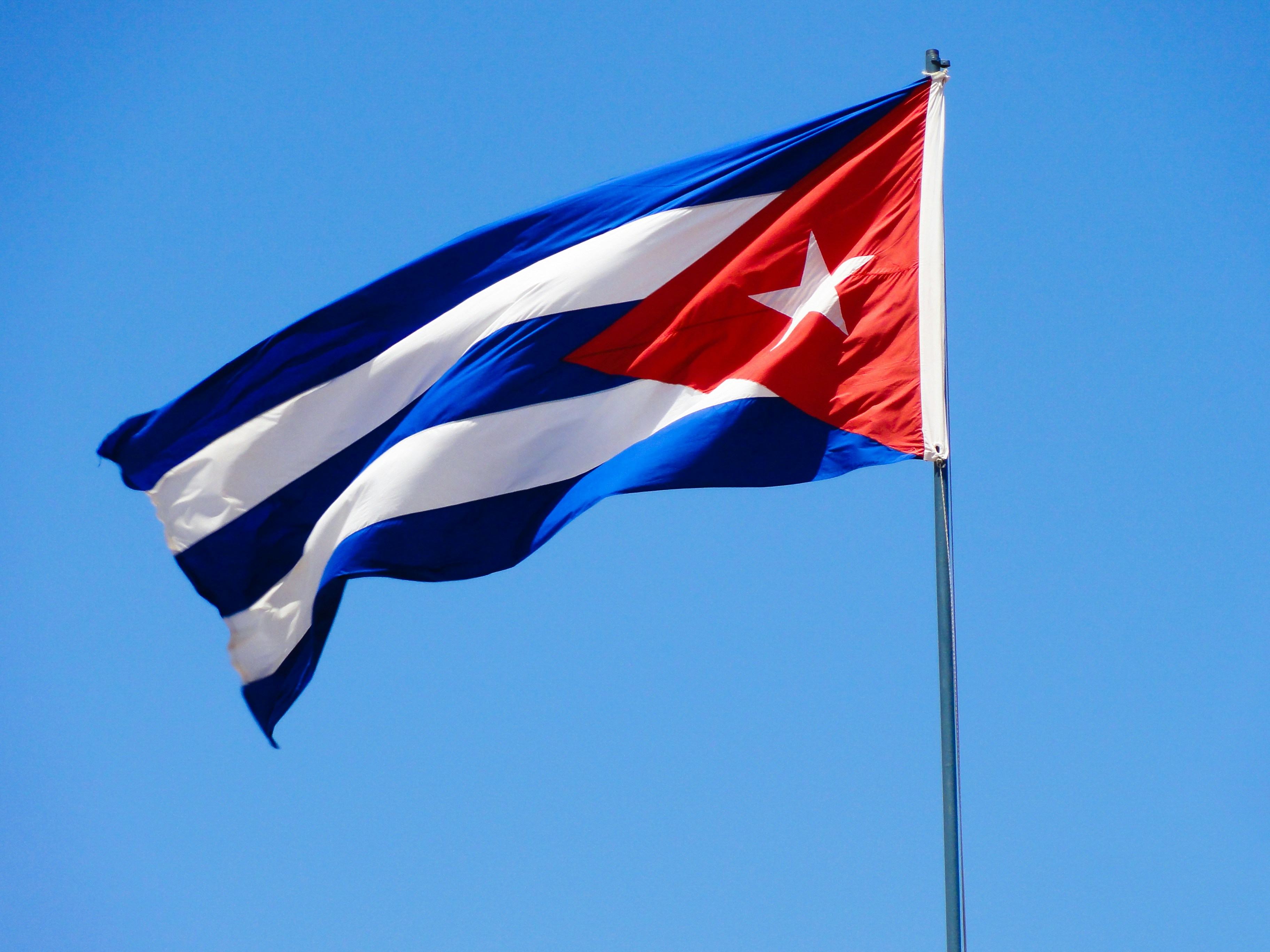
Introduction to Cuba Visas
Cuba, an island nation known for its rich history and vibrant culture, has specific visa requirements for travelers wishing to enter its territory. Understanding the visa process is crucial for ensuring a smooth and hassle-free travel experience. A visa acts as a formal authorization granted by the Cuban government, allowing foreign nationals to enter, remain, or transit through the country for a specified duration and purpose.
Travelers are required to obtain a visa before arriving in Cuba, regardless of the duration of their stay. The most common type issued to tourists is the “tourist card,” often colloquially referred to as a visa. This document permits visitors to explore Cuba for up to 30 days, with the possibility of an extension for an additional 30 days under certain conditions.
There are primarily two types of visas: the tourist visa and the business visa. The tourist visa is suitable for those traveling for leisure, while the business visa is intended for individuals engaging in commercial activities. It is important to note that travelers participating in activities considered educational or professional may need to secure a specific visa type depending on their itinerary.
The process of obtaining a Cuban visa typically entails submitting an application through a Cuban consulate, travel agency, or the airline you are flying with. Travelers must provide essential documentation, which may include a valid passport, a recent photograph, and proof of travel arrangements, such as flight bookings and accommodation confirmations. It is advisable to apply for a visa well in advance of your travel dates to avoid any potential delays.
Types of Visas for Cuba
Cuba offers a variety of visa options catering to the needs of different travelers. The primary type of visa is the tourist visa, commonly referred to as a “visa card” or “tourist card.” This visa enables individuals to stay in Cuba for up to 30 days, with the possibility of extension for an additional 30 days, making it ideal for leisure travelers. To acquire this tourist visa, travelers must provide proof of their travel itinerary, accommodation details, and valid travel insurance that includes medical coverage.
For those traveling on business, a business visa is available. This visa allows for travel related to commercial activities, attending conferences, or conducting other business matters. Eligibility for a business visa typically requires an invitation letter from a Cuban entity, alongside specific documentation relevant to the applicant’s business purpose. The duration of a business visa can vary, but it often allows for stays of up to 30 days, with possible extensions depending on the nature of the business engagement.
In addition to tourist and business visas, there are several special-purpose visas tailored for specific activities. These include student visas for individuals seeking education in Cuba, religious visas for those traveling for religious purposes, and cultural exchange visas for participants in programs promoting cultural interaction. Each of these visa types has distinct eligibility criteria and documentation requirements, reflecting the varied purposes for which individuals might visit Cuba.
Understanding the specific requirements and purposes of these visas is crucial for ensuring compliance with Cuban immigration regulations. Travelers are advised to verify all documentation needed for their chosen visa type before making travel arrangements to avoid complications upon entry.
How to Apply for a Cuban Visa
Applying for a Cuban visa involves a series of steps that can vary slightly based on where you reside and your purpose of travel. Generally, there are two primary methods to apply: through a Cuban embassy or consulate, or via an online application service. Each method has its unique requirements and advantages.
First, identify the appropriate Cuban embassy or consulate in your region. You will need to consult their official website or contact them directly to obtain specific application forms and guidelines. For those opting for online services, ensure that you use a reputable and officially recognized platform to avoid any fraudulent activities. Both methods will typically necessitate filling out a visa application form that requires information such as your personal details, travel itinerary, and purpose for visiting Cuba.
Next, prepare the documentation required for the visa application. This documentation may include a valid passport with at least six months of validity beyond your intended stay, a recent passport-sized photograph, proof of onward travel, and accommodation details in Cuba. Depending on the type of visa you are applying for (tourist, business, or educational), additional documents may be necessary, such as an invitation letter from a host in Cuba or proof of sufficient financial means to cover your stay.
Once all documents are gathered and the application form is complete, submit your application either in person at the embassy or through the online service. It’s essential to verify the applicable fees associated with the visa, as these can differ significantly based on your nationality and the specific type of visa you seek. Processing times usually range from a few days to several weeks, so plan ahead to ensure you receive your visa before your travel date.
Common Myths About Cuba Visas
When it comes to traveling to Cuba, there are several misconceptions regarding the visa process that can lead to confusion and misinformation. One prevalent myth is that obtaining a Cuba visa is exceedingly difficult. In reality, acquiring the necessary visa is straightforward for most travelers. Various travel agencies, airlines, and consulates offer assistance in this process, often providing the required documentation alongside travel packages. This accessibility helps to dismantle the notion that visas are hard to come by.
Another common misunderstanding is related to travel restrictions imposed by the U.S. government on its citizens. While it is true that there are specific categories under which Americans can travel to Cuba, it is inaccurate to assert that travel is entirely prohibited. In fact, U.S. citizens are permitted to visit Cuba legally through these defined categories, such as family visits, educational activities, and professional research. Understanding these regulations can facilitate a smoother trip planning process.
Lastly, there is a myth surrounding the perception of Cubans themselves. Some believe that individuals in Cuba are unfriendly or unwelcoming towards tourists. However, anecdotal evidence and numerous traveler experiences often contradict this belief. Many visitors report warm interactions with locals, revealing a culture rich in hospitality. Understanding and respecting cultural norms can enhance one’s experience while dispelling the myth of unfriendliness.
In conclusion, recognizing these common myths surrounding Cuba visas is crucial for potential travelers. By navigating through these misconceptions, individuals can better prepare for their journey and foster a positive experience in this vibrant destination.
Visa Exemptions and Special Cases
Cuba’s visa policy includes specific exemptions that allow certain travelers to visit the island without a visa under defined circumstances. Primarily, nationals from countries that have established agreements with Cuba may not require a visa for short stays. Countries like Venezuela, Russia, and certain Caribbean nations typically allow their citizens to enter Cuba for tourism or business without the typical visa application process.
Moreover, returning Cuban residents often find themselves exempt from obtaining a visa when they re-enter the country. This applies to citizens who have obtained foreign nationality or those who have spent an extended amount of time abroad. Such individuals must provide relevant documentation proving their Cuban citizenship and compliance with governmental regulations upon their return.
In addition to these standard exemptions, there are special cases particularly related to international events. For instance, attendees of significant conferences, sporting events, or collaborative ventures that involve Cuban government sponsorship may find that a visa exemption applies to their situation. In these cases, the event organizers generally provide attendees with the necessary credentials that facilitate entry into Cuba without the need for a visa.
It is crucial for travelers to consult the Cuban embassy or consulate in their home country to verify their individual eligibility for visa exemptions. This ensures a smooth travel experience, avoiding any confusion regarding visa requirements. Familiarity with the nuances of Cuba’s visa policies, in light of possible exemptions and special considerations, plays an important role in planning an effective trip to this vibrant destination.
What to Expect When Traveling with a Visa
Traveling to Cuba with a visa requires a sense of preparedness and awareness of the local regulations. Upon arrival, ensure that you carry your visa documentation at all times, as it may be requested by authorities during your stay. The Cuban government emphasizes strict adherence to the rules and regulations regarding visa holders, and failure to comply could result in penalties, including fines or deportation.
It is advisable to keep your visa and supporting documents, such as your passport and travel insurance, in a secure place to avoid any complications. Some travelers opt to make photocopies of these documents, storing them separately in case of loss or theft. This practice can simplify processes in case you need to replace lost documents, allowing for easier navigation of local bureaucracy.
In the unfortunate event that your Cuban visa is lost or stolen, you must report the incident to the local authorities immediately, in addition to informing your embassy or consulate. A report will be necessary for processing a replacement visa, which can be a lengthy procedure. It is recommended to have essential contact details readily available, including those for your home country’s consulate, as well as the contact information for the local police.
Moreover, be aware that there are specific restrictions on the activities you can engage in while in Cuba under your visa status. Recreational activities, business dealings, and any form of employment must correspond to the type of visa you hold. Travelers looking to explore Cuba should familiarize themselves with the terms of their visa to avoid any misunderstandings or legal issues during their visit.
Tips for a Smooth Visa Application Process
Applying for a visa can often seem complicated, but with the right preparation and knowledge, you can streamline the process significantly. One of the first steps in ensuring a smooth application is to meticulously fill out your visa application form. Each section must be completed accurately; incorrect or incomplete forms can lead to delays or even denials. It is advisable to double-check all provided information, paying particular attention to names, dates, and passport numbers, as these are critical components of your application.
Adhering to timelines is another essential aspect of the visa application process. Most countries, including Cuba, have specific processing times, which can vary depending on the type of visa you are applying for. Begin your application well in advance of your planned travel dates to accommodate any potential delays. This practice will ensure you have ample time for any unforeseen circumstances that may arise, such as needing additional documentation or information.
In addition to completing the application form correctly and adhering to timelines, you should also prepare all necessary supporting documents. Common requirements include a valid passport, passport-sized photographs, travel itineraries, and proof of sufficient funds for your stay. Depending on your nationality and the type of visa you require, additional documentation may be necessary, such as an invitation letter or a health insurance policy. Make sure to review the specific requirements for the Cuba visa carefully to avoid surprises during your application process.
Lastly, consider consulting with professionals or utilizing online resources focused on Cuba visa applications for added guidance. Their insights can provide valuable information and help clarify any confusion regarding documentation or procedures. Following these practical tips will increase your chances of a successful application, ensuring that your journey to Cuba starts smoothly.
Frequently Asked Questions (FAQs)
When planning a trip to Cuba, understanding the visa application and renewal processes is essential. Here are commonly asked questions regarding visas for Cuba, which can help clarify some concerns travelers may have.
1. How long is a Cuba visa valid?
A Cuba tourist visa, often referred to as a “tarjeta del turista,” typically allows for stays of up to 30 days. However, this duration can be extended once in Cuba by visiting the appropriate government office, which permits travelers to stay for a maximum of 90 days. Be sure to check the latest regulations to ensure compliance with current visa policies.
2. How can I renew my Cuban visa?
Renewal of a Cuban visa can often be performed in-country. Travelers should visit the Oficina de Inmigración y Extranjería (Immigration and Foreigners’ Office) in Cuba to initiate this process. It is advisable to do so well before the original visa expires to avoid any legal issues. Furthermore, it is essential to bring all relevant documentation, including your passport and existing visa.
3. What problems might I encounter during the visa application process?
The most common issues can stem from incomplete applications or lack of required documentation. It is crucial to follow the specific instructions provided by the Cuban consulate or embassy where you are applying. Further, discrepancies between the information on your passport and your application can lead to application delays or denials. Therefore, reviewing all provided documents is highly recommended before submission.
Understanding these aspects of the Cuban visa process can make your travel experience more seamless. If more questions arise, consider contacting the Cuban embassy or consulate for personalized information and assistance regarding your situation.
Conclusion and Final Thoughts
As we conclude our exploration of Cuba visas, it is essential to recap the critical information that aspiring travelers must consider before embarking on their journey. Obtaining a visa for Cuba is a fundamental requirement that sets the stage for a successful and enjoyable visit. Whether you opt for a tourist visa, a business visa, or any other category, being well-informed and organized can significantly ease the application process.
Travelers should begin by understanding the specific type of visa they require based on the nature of their visit. The tourist visa remains the most commonly sought option, and it is advisable to apply well in advance to avoid any last-minute complications. It is also crucial to keep abreast of any changes in visa requirements or regulations, which can vary based on international relations and travel policies.
To facilitate a smooth application, gather all necessary documents and ensure they meet the stipulated guidelines. Additionally, consider reaching out to embassies, travel agencies, or professionals who specialize in assisting with Cuba visa applications if options seem overwhelming or unclear. Their expertise can provide valuable insights and further streamline the process.
In summary, being proactive and informed about visa requirements can transform your travel experience to Cuba into a delightful adventure. The beauty of the island’s landscapes, its rich culture, and the warmth of its people await you, and securing your visa is the first step towards this enriching experience. Prepare diligently, stay updated, and don’t hesitate to seek help if required. With proper planning, your journey to Cuba can be both memorable and hassle-free.
Leave a Reply