

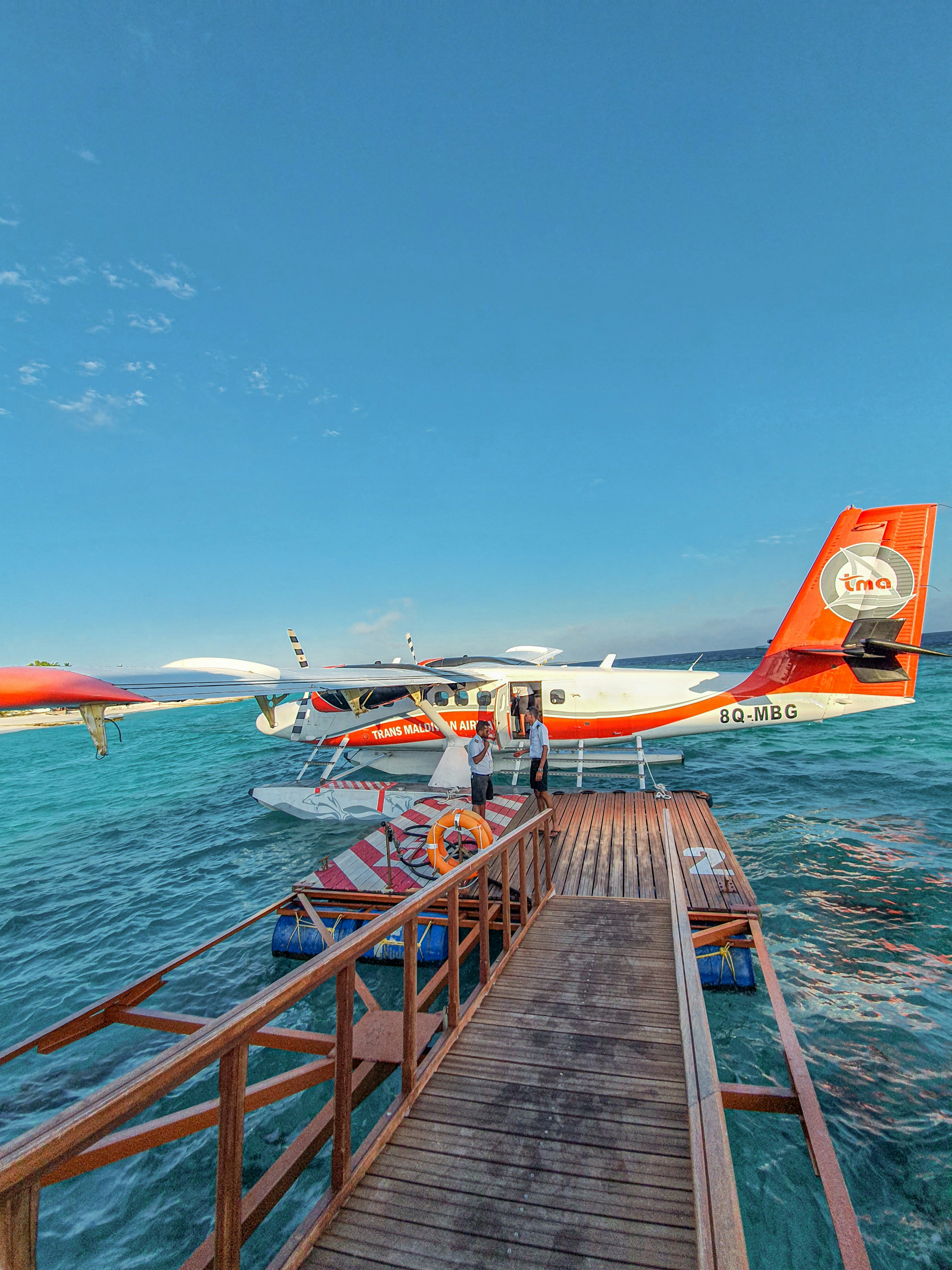
Introduction to the Maldives Visa
The Maldives, an idyllic archipelago located in the Indian Ocean, is renowned for its breathtaking landscapes, pristine beaches, and vibrant marine life. Comprising over 1,000 coral islands, the Maldives is celebrated not only for its natural beauty but also for its rich cultural heritage that blends influences from South Asia, Africa, and the Arabian Peninsula. The allure of the Maldives as a premier tourist destination attracts millions of visitors each year, drawn in by its opportunities for relaxation, adventure, and the unique chance to experience its diverse ecosystems.
As travel to the Maldives continues to rise, it becomes increasingly important for potential visitors to understand the various visa requirements. Securing the correct visa is a critical step in planning a successful trip. Touring this tropical paradise necessitates advance preparation, including knowledge of entry regulations and documentation needed for a smooth travel experience. Understanding these visa requirements aids in avoiding unnecessary complications and allows travelers to focus on enjoying the area’s stunning beauty and captivating culture.
The visa regulations are notably straightforward for many nationalities, as the Maldives offers a tourist visa upon arrival that is valid for a maximum of 30 days. Nevertheless, it is essential to confirm individual eligibility and gather any required documents, such as a passport with sufficient validity, proof of onward travel, and accommodations. In navigating the process efficiently, travelers can ensure that their visit to the Maldives is pleasurable and free from any unexpected obstacles, allowing them to immerse fully in the tranquility and allure of this unique island nation.
Types of Visas Available for Maldives
The Maldives, a paradise renowned for its stunning beaches and vibrant marine life, offers various visa types to accommodate the diverse needs of visitors. Understanding these visa categories is essential for travelers planning to visit this tropical destination.
The most common type of visa issued is the tourist visa, which allows individuals to stay in the Maldives for up to 30 days. This visa is granted on arrival for many nationalities, making it convenient for tourists. Visitors can extend their stay by applying for an extension, but this must be done before the original visa expires. The tourist visa is primarily designed for leisure travelers aiming to experience the natural beauty and luxury resorts of the Maldives.
For professionals and business individuals, the business visa is the appropriate choice. This visa permits foreign nationals to engage in commercial activities or attend meetings and conferences within the Maldives. Unlike the tourist visa, the business visa typically requires prior approval from relevant Maldivian authorities, and applicants must provide documentation showcasing the purpose of their visit. This visa is essential for those wishing to explore investment opportunities or conduct business ventures in the archipelago.
Another important category is the transit visa. This visa is relevant for travelers who have scheduled layovers in the Maldives while en route to another destination. A transit visa is usually not required for short stops, especially if travelers stay within the airport’s transit area. However, for longer layovers where guests may wish to leave the airport to explore the Maldives briefly, a transit visa may be necessary. Each visa category serves a specific purpose, and understanding the requirements and conditions associated with them is crucial for a smooth entry into the Maldives.
Who Needs a Visa to Enter the Maldives?
The Maldives, renowned for its breathtaking landscapes and luxurious resorts, has specific visa requirements that vary based on the nationality of travelers. In general, the visa policy is relatively simple, as a majority of nationalities do not require a visa in advance. Instead, travelers can obtain a visa on arrival.
Citizens from over 160 countries are eligible to receive a visa upon arrival in the Maldives, which is valid for 30 days. This on-arrival visa is given to tourists and does not require any pre-arranged documentation. Nationalities such as those from the United States, Canada, the United Kingdom, Australia, and most European Union member states fall under this category. Travelers must, however, ensure they possess a valid passport, a return ticket or confirmed onward travel, and proof of accommodation at the time of arrival.
Conversely, there are certain nationalities that are required to obtain a visa prior to arriving in the Maldives. This list includes individuals from a limited number of countries, primarily those that may pose a security risk to the nation. Examples include residents of countries such as Afghanistan, Syria, and Iraq, among a few others. For individuals from these countries, the Maldives’ government mandates a pre-arrival visa process that necessitates applicants to submit the required documentation and receive approval before booking travel.
Additionally, it is essential to be aware of any specific terms or exceptions that may apply to various nationalities. For instance, citizens of the SAARC countries (South Asian Association for Regional Cooperation) can also receive a visa on arrival for 30 days, but it’s advisable to check for any updates or changes in regulations that might impact entry requirements.
Applying for a Maldives Visa
To visit the Maldives, it is essential to understand the visa application process. Nationals from many countries can enter the Maldives without a visa for short stays; however, those requiring a visa must follow a structured application process. The Maldives offers different types of visas, including tourist visas, business visas, and long-term visas, each with specific requirements.
When applying for a Maldives visa, applicants must first gather necessary documentation. Essential documents include a valid passport, a completed visa application form, proof of travel itinerary (such as flight bookings), and accommodation details (bookings or confirmation). Additional documents may vary based on the type of visa and purpose of travel; for example, business visas may require letters of invitation from organizations registered in the Maldives.
Applications can be made directly at the nearest Maldivian Embassy or Consulate, or online through the official Maldives Immigration website. The online application is a straightforward process where applicants must fill in their details, upload the required documents, and pay any applicable fees. It is advisable to visit the website for accurate forms and guidelines.
Processing times for a Maldives visa can vary widely based on the visa type and the application method. An online application typically takes approximately 5-15 working days; however, airport visas can often be issued instantaneously upon arrival for eligible travelers. It is advisable to apply well in advance to avoid any last-minute issues.
As for the fees, they vary based on the visa type and the length of stay. Generally, short-stay tourist visas come with a nominal fee; those requiring additional processing or business-related work may encounter higher charges. Always ensure to check the most recent fee structure on the Maldives Immigration website before applying.
Visa Requirements for Different Nationalities
Traveling to the Maldives requires different visa regulations depending on the nationality of the visitor. Understanding these requirements is crucial for ensuring a smooth entry into this tropical paradise. Here, we outline visa stipulations based on major global travel blocks, focusing on the European Union, Asia, and North America.
For citizens of the European Union, most nationalities enjoy the privilege of obtaining a visa on arrival. This visa is usually valid for stays of up to 30 days. Travelers should present a valid passport (with at least six months’ validity), return flight tickets, and accommodation reservations upon arrival. A few nations within the EU might require additional documents, such as travel insurance or proof of funds, ensuring visitors do not face any immigration challenges.
Asian travelers also benefit from favorable visa conditions, with many nationalities eligible for a visa on arrival under similar terms as their EU counterparts, for stays of up to 30 days. However, certain countries may need to provide additional documentation. For instance, tourists from Malaysia and Singapore should ensure their travel documents are in order, including a return ticket and proof of booked accommodations.
For North American visitors, particularly those from the United States and Canada, a visa on arrival is generally available as well. The same 30-day stay applies, alongside requirements for a valid passport, proof of onward travel, and appropriate accommodation arrangements. However, it is advisable for travelers to verify specific requirements early, as policies can shift based on diplomatic relationships and travel advisories.
In summary, while the majority of nationalities can obtain a visa readily, it is imperative to verify specific requirements for your nationality and adhere to them closely to avoid any travel inconveniences.
Extending Your Stay: Maldives Visa Extension Process
The Maldives, renowned for its stunning beaches and vibrant marine life, attracts many tourists each year. Visitors may find that they want to extend their stay beyond the initially granted visa duration. This is where understanding the Maldives visa extension process becomes crucial.
Extensions are typically necessary in cases where tourists wish to prolong their vacation, attend special events, or deal with unforeseen circumstances such as flight cancellations or medical emergencies. Generally, a tourist visa can be extended for an additional 30 days, subject to approval from the Maldives immigration authorities.
To initiate a visa extension, travelers must submit an application to the Maldives Immigration Office, preferably at least a week before their current visa expires. The application process requires specific documentation, including a valid passport, a completed visa extension application form, and proof of sufficient funds to support your stay. Additional documentation, such as a return flight ticket or accommodation reservation, may also be required.
As of current regulations, the fee for extending a tourist visa in the Maldives is approximately USD 75. Payment can typically be made via cash, credit, or debit card at the immigration office. It is imperative that visitors ensure all documentation is complete and accurate to avoid delays in processing their application. The processing time for a visa extension is usually around 24 to 72 hours, depending on the workload of the immigration office.
In conclusion, understanding the Maldives visa extension process allows travelers to enjoy their stay in this tropical paradise without unnecessary stress. By preparing the required documents and submitting the application timely, tourists can seamlessly extend their stay and relish the beauty the Maldives has to offer.
Travel Tips After Securing a Maldives Visa
After successfully obtaining your Maldives visa, it is crucial to be well-informed about what to expect upon arrival. This includes understanding customs regulations, navigating immigration processes, and being aware of necessary health precautions. Additionally, knowing how to manage your finances can enhance your travel experience.
Upon entering the Maldives, travelers should be prepared to present their passport, visa, and any other required documents to immigration officials. Ensure that your passport is valid for at least six months beyond your planned departure date. Familiarize yourself with the customs regulations to avoid bringing restricted items into the country. The Maldives has specific guidelines regarding duty-free allowances on goods such as alcohol and tobacco, so make sure to review these to avoid any potential fines.
Health insurance is another critical area to address before your journey. It is strongly recommended to obtain comprehensive travel insurance that covers medical emergencies, as healthcare facilities in the Maldives may not match those in your home country. Ensure that your policy includes coverage for Covid-19-related issues, as regulations can change frequently.
When it comes to managing your finances, the currency used in the Maldives is the Maldivian Rufiyaa (MVR). While credit cards are widely accepted at resorts and larger establishments, it is advisable to carry some cash for smaller purchases or when visiting local islands. Currency exchange services are available at the airport and in Malé, but be aware that rates may vary. Plan accordingly and consider exchanging sufficient funds to cover your initial expenses.
Being informed about these essential travel tips will help you navigate your visit to the Maldives more smoothly and enrich your overall experience in this tropical paradise.
Common Myths About Maldives Visa
When planning a trip to the Maldives, many travelers encounter various myths and misconceptions regarding visa requirements. One prevalent myth is the belief that all travelers must obtain a visa in advance. In reality, the Maldives offers a visa-on-arrival option for most nationalities, allowing tourists to receive a 30-day tourist visa upon arrival, provided they have a valid passport, a return ticket, and proof of accommodation.
Another common misconception is that the visa process is overly complex and time-consuming. However, the actual process is straightforward and typically requires minimal documentation. Travelers often worry about the visa being a lengthy process, but this myth overlooks the efficiency of the immigration system at Maldivian airports. As long as the necessary documents are in order, the visa issuance is usually smooth and quick.
Some individuals believe that tourists are restricted from leaving their designated resort islands during their stay. This is untrue, as visitors are free to explore local islands; however, travelers are encouraged to respect the local customs and regulations. For instance, dress codes may apply in non-resort areas, promoting a respectful engagement with the local culture.
Additionally, there is a misconception that minors cannot travel to the Maldives without additional visa requirements. Generally, children can enter under the same visa-on-arrival provisions as adults, as long as they are accompanied by a parent or legal guardian. It’s essential for travelers to verify specific requirements ahead of their trip, especially when traveling with minors.
In conclusion, understanding these common myths can help travelers to the Maldives have a smoother experience. Familiarizing oneself with the actual visa process and local regulations encourages a stress-free and enjoyable trip to this beautiful destination.
Conclusion: Enjoying Your Trip to the Maldives
Understanding the visa regulations for your trip to the Maldives is crucial for ensuring a seamless travel experience. Familiarizing yourself with the entry requirements helps in mitigating the stress often associated with international travel. The Maldives has specific visa policies that vary based on nationality, so it is essential to verify the requirements ahead of your trip. Whether you are applying for a tourist visa or considering a long-term stay, having a clear grasp of the regulations can greatly enhance your travel plans.
Moreover, thorough research and advance preparation allow travelers to focus on the wonderful experiences awaiting them in this tropical paradise. The Maldives is renowned for its stunning beaches, crystal-clear waters, and luxurious resorts, promising a unique getaway. By ensuring that all necessary visa documentation is in order, travelers can fully immerse themselves in the natural beauty and vibrant culture of the islands.
In addition to understanding visa protocols, it is wise to stay updated about any changes in regulations, as these can occur frequently. Engaging with local travel agencies or reliable online platforms can provide current insights that further facilitate a hassle-free journey. Ultimately, investing time into understanding visa requirements not only aids in compliance but also allows travelers to embark on their Maldivian adventure with confidence and peace of mind.
Leave a Reply